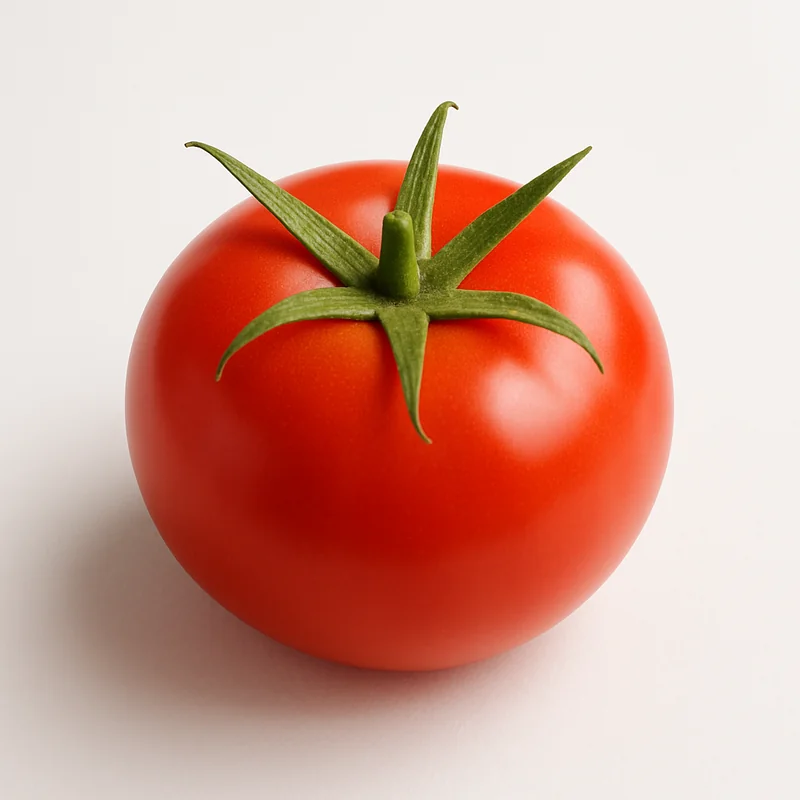
Tomato
ScoreA+
Tomatoes are nutrient-dense, low-calorie vegetables rich in lycopene and vitamin C, staple foods in Mediterranean diets associated with longevity.
Why Tomato scores 91
% Daily Value per ½ cup (85 g)
Nutrition
per 100 g
Health benefits
Reduced cardiovascular disease and stroke risk
strong evidenceLycopene reduces LDL oxidation and improves endothelial function; potassium helps regulate blood pressure and counteracts sodium; vitamin C supports arterial elasticity
Cellular protection against oxidative stress and DNA damage
strong evidenceLycopene, beta-carotene, and vitamin C neutralize free radicals; quercetin and chlorogenic acid provide additional antioxidant defense
Lower cancer risk, particularly prostate cancer
moderate evidenceLycopene selectively accumulates in prostate tissue and inhibits tumor cell proliferation; may reduce estrogen-dependent cancer risk through multiple pathways
Improved bone density and reduced fracture risk
moderate evidenceLycopene stimulates osteoblast activity and reduces osteoclast-mediated bone resorption; vitamin K and minerals support bone mineralization
Enhanced cognitive function and reduced dementia risk
emerging evidenceLycopene and vitamin C reduce neuroinflammation and protect neurons from oxidative damage; supports healthy brain aging
Pairs well with
- ·Pair with olive oil because fat-soluble lycopene absorption increases 4-5 fold when consumed with dietary lipids; Mediterranean tomato-olive oil combinations are synergistic
- ·Pair with garlic because sulfur compounds in garlic enhance antioxidant activity and support cardiovascular benefits through complementary mechanisms
- ·Pair with basil because polyphenols in basil (rosmarinic acid, eugenol) amplify anti-inflammatory effects and improve nutrient bioavailability
- ·Pair with leafy greens because vitamin K in greens works synergistically with tomato minerals and vitamin C to support bone metabolism and cardiovascular function
Practical tips
- ·Best timing: Tomatoes are calorie-sparse and nutrient-dense with no timing-dependent absorption; can be consumed at any meal or snack. Pairing with fat-containing meals enhances lycopene absorption, making lunch or dinner with olive oil optimal for maximum bioavailability.
- ·Cook tomatoes with heat (sauce, soup, roasting) to increase lycopene bioavailability by 50-300% compared to raw; lycopene is released from cell matrices during heating
- ·Choose vine-ripened or locally-grown tomatoes over greenhouse varieties when available; ripeness increases lycopene and sugar content by 40-50%
- ·Store ripe tomatoes at room temperature away from direct sunlight to preserve vitamin C and lycopene; refrigeration slows ripening and can reduce flavor compounds
- ·Consume tomato skin, which concentrates 40% of lycopene; avoid over-peeling or excessive processing that removes bioactive compounds
- ·Aim for 200-400g (2-3 medium tomatoes) daily as part of varied vegetable intake for optimal benefit without excess potassium concerns in normal kidney function
Related foods
What is Tomato actually covering?
See which nutrients your diet already delivers and which ones your supplements still need to — food and pills measured on the same scale.
Check my nutrients2 questions · free · no account needed to start
Also on iPhone — get the free app
Evidence-based supplement guides, no spam
We send a short digest when new guides drop — nothing else. No affiliate pushes, no sponsored content, unsubscribe anytime.