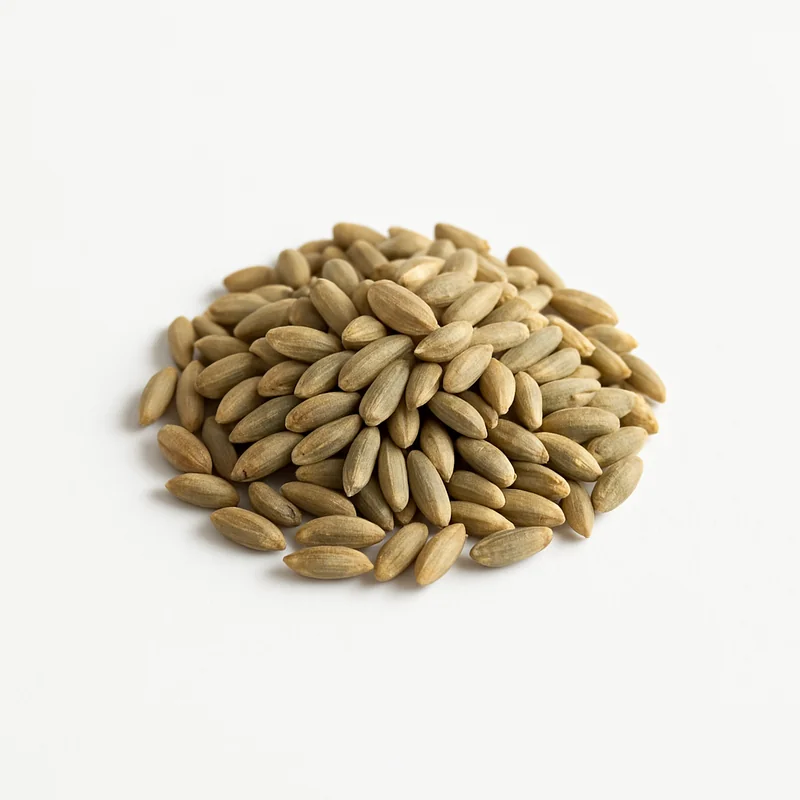
Rye
ScoreA
Rye is a hardy cereal grain rich in soluble fiber, particularly beta-glucans, and contains unique polyphenols that support metabolic health and longevity. It has a lower glycemic index than wheat and offers distinctive nutritional benefits for cardiovascular and gut health.
Why Rye scores 83
% Daily Value per ½ cup (50 g)
Nutrition
per 100 g
Health benefits
Improved cholesterol levels and cardiovascular health
strong evidenceBeta-glucans in rye form viscous solutions in the digestive tract, binding LDL cholesterol and promoting its excretion, thereby reducing circulating cholesterol levels and atherosclerosis risk
Enhanced glycemic control and reduced diabetes risk
strong evidenceHigh soluble fiber content slows gastric emptying and glucose absorption, reducing post-prandial blood sugar spikes and improving insulin sensitivity over time
Improved gut microbiota composition and metabolic health
moderate evidenceRye fiber, particularly arabinoxylan, serves as prebiotic substrate for beneficial bacteria, promoting butyrate production which strengthens intestinal barrier function and reduces inflammation
Enhanced antioxidant defense and reduced chronic disease risk
moderate evidenceAlkylresorcinols and other polyphenols in rye neutralize free radicals and modulate inflammatory pathways, protecting cellular structures from oxidative damage
Improved satiety and weight management support
moderate evidenceRye's high fiber and protein content activates stretch receptors in the stomach and triggers satiety hormones (GLP-1, PYY), reducing overall caloric intake
Pairs well with
- ·Pair rye bread with fermented foods (sauerkraut, kimchi) because fermentation enhances mineral bioavailability and the combination promotes beneficial gut microbiota diversity
- ·Combine rye with legumes (lentils, beans) because they create a complete amino acid profile and the combined fiber supports sustained glucose regulation
- ·Pair rye with fatty fish (salmon, mackerel) because omega-3s synergize with rye's anti-inflammatory compounds to amplify cardiovascular benefits
- ·Mix rye with berries because polyphenols in both foods have complementary antioxidant mechanisms and enhance absorption of each other's bioactive compounds
Practical tips
- ·Best timing: midday
- ·Choose whole grain rye products (rye berries, whole rye flour, pumpernickel bread) over refined rye to retain maximum fiber, polyphenols, and minerals
- ·Store rye flour in airtight containers in cool, dark conditions or refrigerate after opening, as the higher fat content makes it prone to oxidative rancidity compared to wheat flour
- ·Start with moderate portions (30-50g per day) if new to rye, as the high fiber content may cause digestive adjustment; gradually increase intake over 1-2 weeks
- ·Soak or sprout whole rye berries overnight before cooking to reduce phytic acid and improve mineral absorption, particularly zinc and iron
- ·Choose traditionally fermented rye breads (sourdough) which have lower glycemic impact and enhanced nutrient bioavailability compared to commercial yeast breads
Related foods
What is Rye actually covering?
See which nutrients your diet already delivers and which ones your supplements still need to — food and pills measured on the same scale.
Check my nutrients2 questions · free · no account needed to start
Also on iPhone — get the free app
Evidence-based supplement guides, no spam
We send a short digest when new guides drop — nothing else. No affiliate pushes, no sponsored content, unsubscribe anytime.