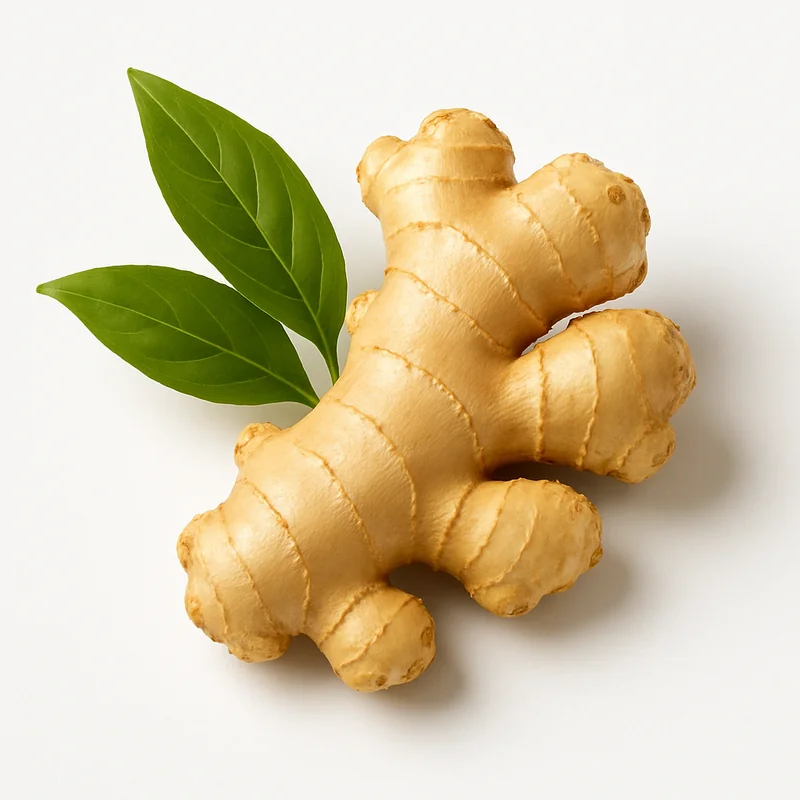
Ginger Root
ScoreA
Ginger root is a pungent rhizome rich in bioactive compounds like gingerols and shogaols, delivering anti-inflammatory and digestive benefits with minimal calories and a notable potassium content.
Why Ginger Root scores 77
% Daily Value per ½ cup (85 g)
Nutrition
per 100 g
Health benefits
Reduces chronic inflammation and inflammatory markers
moderate evidenceGingerols and shogaols inhibit NF-κB signaling and reduce pro-inflammatory cytokines (IL-6, TNF-α) at the cellular level
Alleviates nausea and improves gastrointestinal motility
strong evidenceGinger stimulates gastric contractions and increases digestive enzyme secretion while blocking serotonin receptors implicated in nausea signaling
Improves insulin sensitivity and blood glucose regulation
moderate evidenceBioactive compounds enhance glucose uptake in muscle tissue and reduce hepatic glucose production, potentially lowering postprandial blood sugar spikes
Supports cardiovascular health through lipid management
moderate evidenceGinger reduces triglyceride levels and LDL oxidation while improving HDL cholesterol through antioxidant and anti-inflammatory pathways
Provides antioxidant protection against cellular aging
emerging evidencePolyphenols in ginger scavenge free radicals and upregulate endogenous antioxidant enzyme systems including superoxide dismutase and catalase
Pairs well with
- ·Pair with black pepper because piperine enhances gingerol bioavailability and absorption in the gastrointestinal tract
- ·Combine with turmeric because both contain complementary anti-inflammatory polyphenols; curcumin and gingerols work synergistically on NF-κB pathways
- ·Mix with lemon or citrus because vitamin C stabilizes gingerol compounds and enhances antioxidant activity
- ·Add to fermented foods (kimchi, sauerkraut) because ginger's antimicrobial compounds support beneficial probiotic colonization
Practical tips
- ·Best timing: midday
- ·Store fresh ginger in the freezer; frozen ginger is easier to grate, has increased shogaol content (more potent than gingerols), and maintains bioactivity for up to 6 months
- ·Consume ginger with a meal or light food if prone to gastric sensitivity; its digestive stimulation can cause temporary increased acid production on an empty stomach
- ·Steep fresh ginger slices in hot (not boiling) water for 10-15 minutes to preserve heat-sensitive compounds; boiling reduces bioactive concentration
- ·Select firm, unblemished rhizomes with taut skin; older ginger with more wrinkles typically has higher shogaol concentrations and more potent effects
Related foods
What is Ginger Root actually covering?
See which nutrients your diet already delivers and which ones your supplements still need to — food and pills measured on the same scale.
Check my nutrients2 questions · free · no account needed to start
Also on iPhone — get the free app
Evidence-based supplement guides, no spam
We send a short digest when new guides drop — nothing else. No affiliate pushes, no sponsored content, unsubscribe anytime.