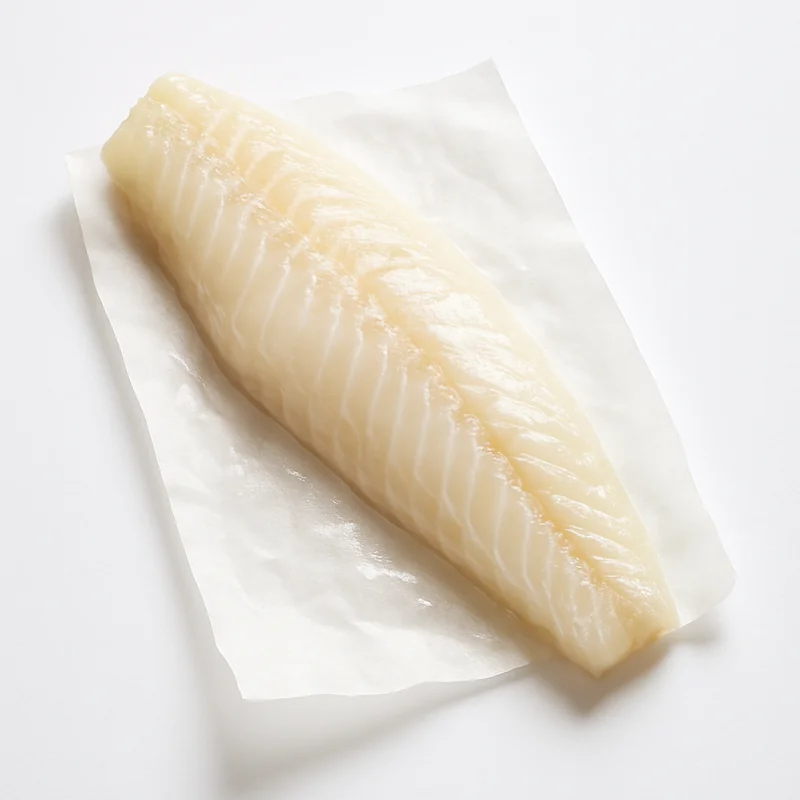
Cod
ScoreA
Cod is a lean white fish exceptionally rich in high-quality protein and iodine, with minimal fat and zero carbohydrates. It provides critical micronutrients for thyroid function, neurological health, and metabolic longevity.
Why Cod scores 83
% Daily Value per 3 oz (85 g)
Nutrition
per 100 g
Health benefits
Supports thyroid function and metabolic rate through exceptional iodine density
strong evidenceIodine is the core cofactor in thyroid peroxidase enzyme, which synthesizes T3 and T4 hormones that regulate metabolic rate, thermogenesis, and cellular energy production—declining with age and linked to longevity outcomes
Promotes lean muscle mass maintenance with minimal metabolic cost
strong evidenceComplete protein profile with all essential amino acids, particularly leucine, stimulates mTOR-mediated muscle protein synthesis; low caloric density prevents energy surplus that accelerates aging
Enhances antioxidant defense and reduces age-related inflammation
strong evidenceSelenium is incorporated into selenoproteins (glutathione peroxidase, thioredoxin reductase) that neutralize reactive oxygen species and suppress pro-inflammatory signaling
Supports NAD+ metabolism and mitochondrial longevity pathways
moderate evidenceNiacin (B3) is a precursor to NAD+, which declines ~50% with age and is essential for sirtuin and PARP activation—regulators of DNA repair, autophagy, and metabolic health
Maintains neurological and cognitive health in aging
strong evidenceB12 supports myelin formation and methylation cycles; phosphorus is structural component of phospholipids in neuronal membranes; iodine is required for central nervous system development and function throughout life
Pairs well with
- ·Pair with leafy greens (spinach, kale) because their vitamin K and folate enhance B12 methylation cycles, optimizing neurological and homocysteine metabolism
- ·Pair with citrus (lemon, lime) because vitamin C enhances non-heme iron absorption from any accompanying plant foods and potentiates selenium bioavailability
- ·Pair with cruciferous vegetables (broccoli, Brussels sprouts) because their glucosinolates synergize with selenium to upregulate phase II detoxification enzymes
- ·Pair with olive oil because polyphenols (oleuropein, hydroxytyrosol) have anti-inflammatory effects that complement cod's selenium-based antioxidant defense
- ·Pair with seaweed or sea vegetables because their additional iodine creates redundancy for thyroid optimization without excess; their polysaccharides support gut microbiota diversity
Practical tips
- ·Best timing: Cod's high protein and complete amino acid profile supports muscle protein synthesis throughout the day; its lack of carbohydrates means no glycemic impact timing. Midday and evening meals allow optimal nutrient partitioning for tissue maintenance.
- ·Choose wild-caught Atlantic or Pacific cod over farmed when possible; wild varieties have superior micronutrient density and lower mercury accumulation due to shorter bioaccumulation timeframes
- ·Consume 100-150g servings (1-2 fillets) 2-3 times weekly to achieve iodine sufficiency without excessive mercury exposure; this frequency optimizes benefit-to-risk ratio
- ·Prepare via baking, steaming, or poaching rather than deep-frying to preserve heat-sensitive B vitamins and minimize oxidized fat formation that can increase inflammation
- ·Store fresh cod at 32-38°F and use within 1-2 days; frozen cod retains nutrients for 6 months and is nutritionally equivalent to fresh, offering convenience and cost savings
- ·Consume the skin and any bones (if present in canned preparations) to maximize phosphorus intake for skeletal and dental mineralization
Related foods
What is Cod actually covering?
See which nutrients your diet already delivers and which ones your supplements still need to — food and pills measured on the same scale.
Check my nutrients2 questions · free · no account needed to start
Also on iPhone — get the free app
Evidence-based supplement guides, no spam
We send a short digest when new guides drop — nothing else. No affiliate pushes, no sponsored content, unsubscribe anytime.