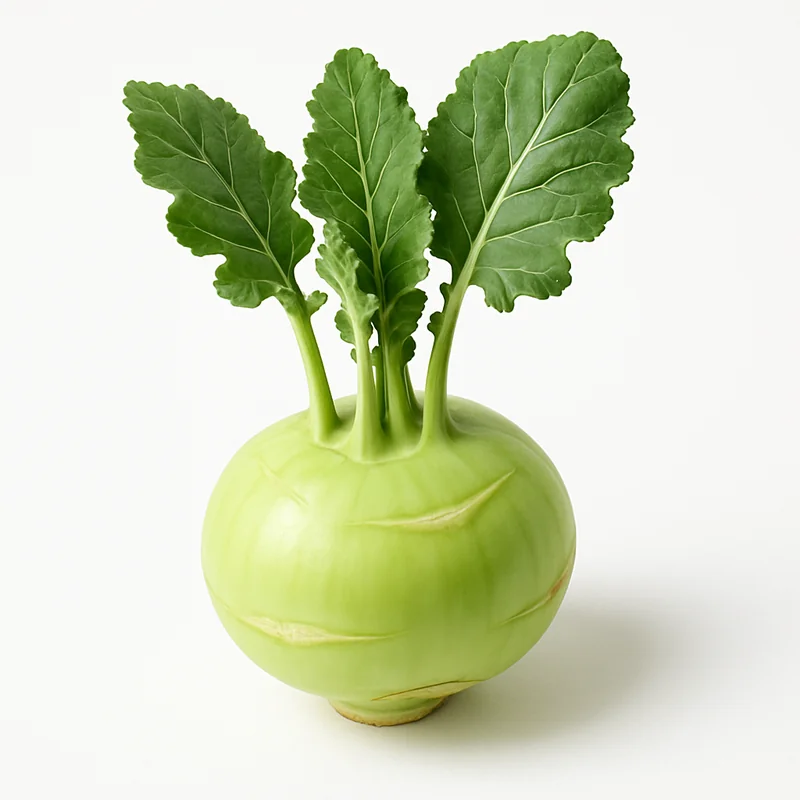
Kohlrabi
ScoreA+
Kohlrabi is a cruciferous vegetable with a mild, slightly sweet flavor and exceptional vitamin C content. Its low calorie density combined with high fiber and potassium makes it valuable for cardiovascular and metabolic health.
Why Kohlrabi scores 93
% Daily Value per ½ cup (85 g)
Nutrition
per 100 g
Health benefits
Supports cardiovascular health through potassium and antioxidant content
strong evidencePotassium (350mg/100g) regulates blood pressure and reduces vascular stiffness; vitamin C (62mg/100g) protects endothelial cells from oxidative stress and supports arterial elasticity
Reduces inflammation and supports detoxification via glucosinolates
moderate evidenceGlucosinolates are metabolized into isothiocyanates, which activate phase II detoxification enzymes (glutathione S-transferase) and inhibit NF-κB inflammatory pathways
Promotes healthy weight management and metabolic function
moderate evidenceExtremely low energy density (27 kcal/100g) combined with 3.6g fiber per 100g increases satiety and stabilizes blood glucose while maintaining nutrient density
Supports cognitive function through choline and B vitamins
moderate evidenceCholine (12.3mg/100g) is a precursor to acetylcholine and phosphatidylcholine, essential for neuronal membrane integrity and synaptic plasticity
Enhances cellular antioxidant defense systems
moderate evidenceHigh vitamin C content optimizes collagen synthesis and serves as a reducing agent for intracellular antioxidants; glucosinolates upregulate expression of antioxidant enzymes
Pairs well with
- ·Pair with olive oil-based dressing because fat-soluble vitamin absorption is enhanced, and olive oil's polyphenols synergize with kohlrabi's glucosinolates for additive anti-inflammatory effects
- ·Combine with garlic or onions because sulfur compounds in alliums enhance glucosinolate bioconversion to active isothiocyanates through shared enzymatic pathways
- ·Pair with citrus (lemon juice) because vitamin C from citrus enhances iron bioavailability from kohlrabi (if consumed with iron-rich foods) and preserves glucosinolates through acidic preservation
- ·Eat with fermented foods (sauerkraut, kimchi) because the low FODMAP content of kohlrabi pairs well with probiotic foods, and raw preparation preserves myrosinase enzymes needed for glucosinolate conversion
Practical tips
- ·Best timing: Kohlrabi's low glycemic impact, high fiber, and abundant micronutrients make it suitable at any meal. Consuming it with protein and fat at lunch or dinner optimizes satiety and nutrient absorption; its vitamin C content supports afternoon antioxidant status.
- ·Consume raw or lightly steamed (2-3 minutes) to preserve heat-sensitive vitamin C and myrosinase enzyme activity, which is critical for converting glucosinolates to bioactive isothiocyanates
- ·Select firm, unblemished bulbs 2-3 inches in diameter (smaller specimens are typically more tender); store in refrigerator crisper drawer for up to 2 weeks with leaves attached for moisture retention
- ·Include both the bulb and tender leaves in meals—leaves contain higher glucosinolate concentrations and can be prepared as you would collard greens or chard
- ·Chop or cut kohlrabi immediately before eating when consuming raw to maximize myrosinase exposure to glucosinolates; allow 5-10 minutes contact before consuming to optimize conversion
Related foods
What is Kohlrabi actually covering?
See which nutrients your diet already delivers and which ones your supplements still need to — food and pills measured on the same scale.
Check my nutrients2 questions · free · no account needed to start
Also on iPhone — get the free app
Evidence-based supplement guides, no spam
We send a short digest when new guides drop — nothing else. No affiliate pushes, no sponsored content, unsubscribe anytime.