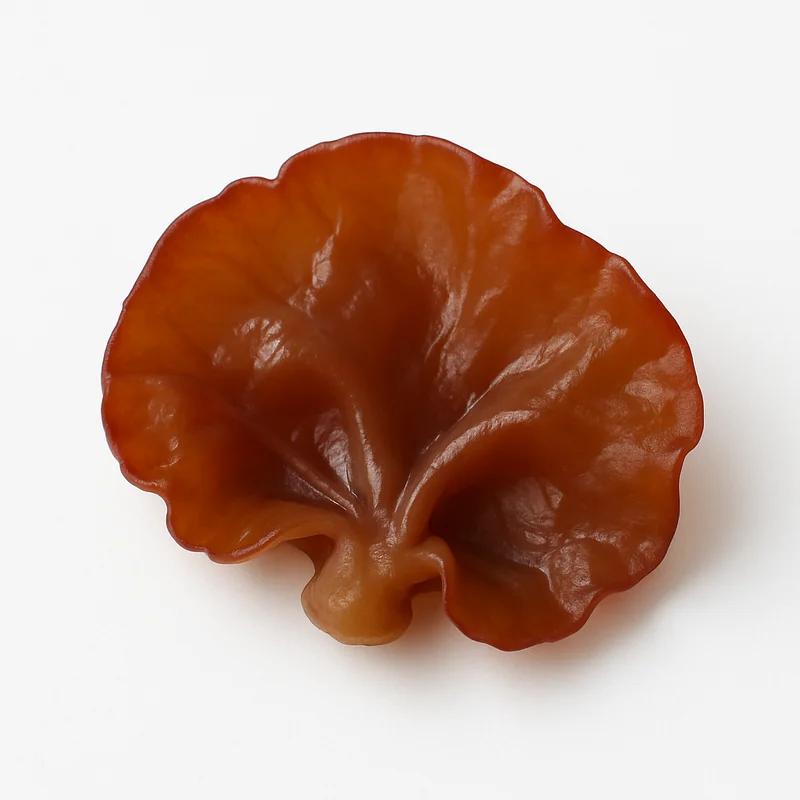
Jew'S Ear
ScoreA
Jew's Ear (Auricularia auricula-judae) is a gelatinous fungus with minimal calories but notable micronutrient density, particularly rich in vitamin B6 and selenium for immune and metabolic support.
Why Jew'S Ear scores 81
% Daily Value per ½ cup (85 g)
Nutrition
per 100 g
Health benefits
Supports immune function through selenium and vitamin B6
strong evidenceSelenium is essential for selenoprotein synthesis and antioxidant defense; vitamin B6 activates immune cell proliferation and antibody production
May promote cardiovascular health via polysaccharide compounds
moderate evidenceBeta-glucans and other fungal polysaccharides have been shown to support endothelial function and modulate inflammatory markers
Supports magnesium-dependent metabolic processes
strong evidenceThe 25mg magnesium per 100g contributes to ATP synthesis, muscle function, and nervous system regulation
May provide anti-inflammatory and circulation support
emerging evidenceFungal polysaccharides documented in vitro to modulate macrophage activity and support healthy blood flow
Pairs well with
- ·Pair with iron-rich foods (spinach, legumes, red meat) to enhance iron absorption via vitamin C-adjacent nutrient synergy and fungal compounds that may facilitate micronutrient uptake
- ·Combine with garlic and ginger in broths to amplify anti-inflammatory effects through synergistic polysaccharide and organosulfur compound interaction
- ·Pair with vitamin D-rich foods (fatty fish, egg yolks) to enhance calcium and phosphorus utilization for bone health
- ·Add to miso-based soups to leverage umami compounds and fermented probiotics alongside fungal beta-glucans for gut-immune axis support
Practical tips
- ·Best timing: As a low-calorie, micronutrient-dense fungus without stimulants or significant macronutrients, Jew's Ear is suitable throughout the day. Best utilized in broths or soups with meals containing fat and protein to enhance absorption of fat-soluble micronutrients and improve satiety signaling.
- ·Rehydrate dried Jew's Ear in warm water for 5-10 minutes until pliable; the rehydration liquid contains dissolved polysaccharides—save it for soups and broths
- ·Slice into thin strips after rehydration for maximum surface area in stir-fries, soups, or salads to improve textural integration and nutrient accessibility
- ·Store dried Jew's Ear in a cool, dry place in an airtight container for up to 12 months; fresh versions should be refrigerated and used within 3-4 days
- ·Source from reputable suppliers to ensure proper identification and avoid contamination; Jew's Ear is commonly wild-harvested and should be sourced from food-grade suppliers
- ·Use primarily as a nutritional adjunct in broths and soups (simmered 15+ minutes) rather than raw to maximize polysaccharide extraction and bioavailability
Related foods
What is Jew'S Ear actually covering?
See which nutrients your diet already delivers and which ones your supplements still need to — food and pills measured on the same scale.
Check my nutrients2 questions · free · no account needed to start
Also on iPhone — get the free app
Evidence-based supplement guides, no spam
We send a short digest when new guides drop — nothing else. No affiliate pushes, no sponsored content, unsubscribe anytime.