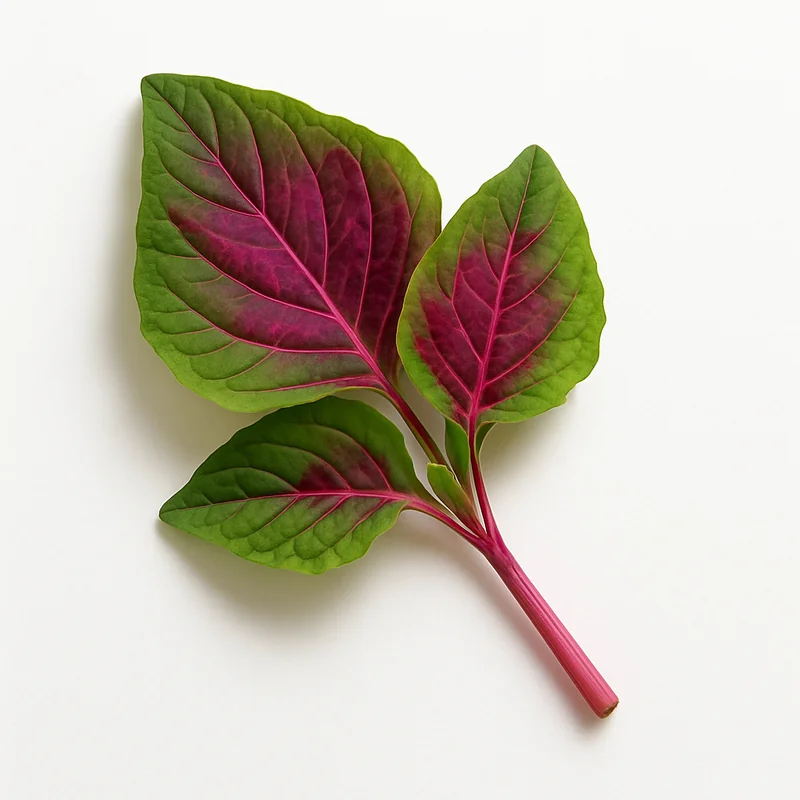
Amaranth Leave
ScoreA
Amaranth leaves are a nutrient-dense leafy green with exceptional vitamin K content and significant calcium, iron, and potassium levels. They offer comprehensive micronutrient density with minimal calories, making them ideal for longevity-focused diets.
Why Amaranth Leave scores 79
% Daily Value per ½ cup (85 g)
Nutrition
per 100 g
Health benefits
Bone health and fracture prevention through vitamin K-dependent carboxylation
strong evidenceVitamin K activates osteocalcin and matrix Gla protein, proteins critical for bone mineralization and calcium binding in the bone matrix
Improved non-heme iron absorption and reduced anemia risk
strong evidenceHigh vitamin C content (43.3 mg per 100g) reduces ferric iron to absorbable ferrous form and chelates iron for improved intestinal absorption
Blood pressure regulation and cardiovascular health
strong evidencePotassium (611 mg per 100g) supports vasodilation and counterbalances sodium, reducing vascular stiffness and supporting endothelial function
Anti-inflammatory and antioxidant support
moderate evidenceAmaranth leaves contain polyphenols and carotenoids that scavenge free radicals and suppress pro-inflammatory cytokine production
Cellular methylation and metabolic health through folate
moderate evidenceFolate (85 mcg per 100g) serves as a methyl donor in DNA synthesis and homocysteine metabolism, supporting epigenetic regulation and cardiovascular health
Pairs well with
- ·Pair with fat sources (olive oil, avocado, nuts) because fat-soluble vitamin K requires dietary fat for optimal absorption in the small intestine
- ·Combine with citrus, tomatoes, or bell peppers because their vitamin C enhances non-heme iron bioavailability through iron chelation and pH reduction
- ·Add to meals with legumes or whole grains because amaranth leaves complement the amino acid profile of plant proteins, creating more complete nutritional profiles
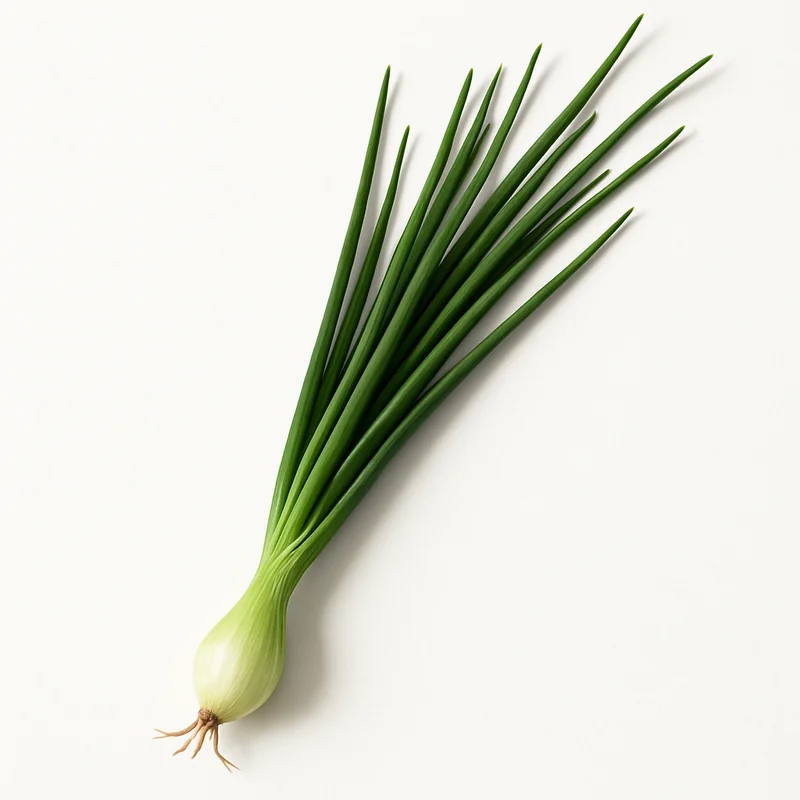
- ·Pair with alliums (garlic, onions) because organosulfur compounds may enhance antioxidant and anti-inflammatory effects through additive polyphenol activity
Practical tips
- ·Best timing: Amaranth leaves provide micronutrients beneficial throughout the day. Consuming with lunch or dinner alongside fat and vitamin C sources optimizes mineral and vitamin absorption. Can be incorporated into breakfast smoothies or midday salads without timing constraints.
- ·Consume amaranth leaves raw or lightly steamed (1-2 minutes) to preserve heat-sensitive vitamin C while maintaining vitamin K stability
- ·Store unwashed leaves in breathable produce bags in the refrigerator crisper for up to 5 days; wash only before use to minimize oxidation
- ·If concerned about oxalate intake (relevant for those with kidney issues or gout), blanch for 1 minute before consuming to reduce soluble oxalate content by 30-40%
- ·Consume amaranth leaves with meals containing fat to maximize fat-soluble vitamin K absorption; avoid consuming immediately after high-dose vitamin K supplements if taking anticoagulants
- ·Select younger, tender leaves with vibrant color; mature leaves may develop stronger earthy flavors and slightly higher oxalate concentrations
Related foods
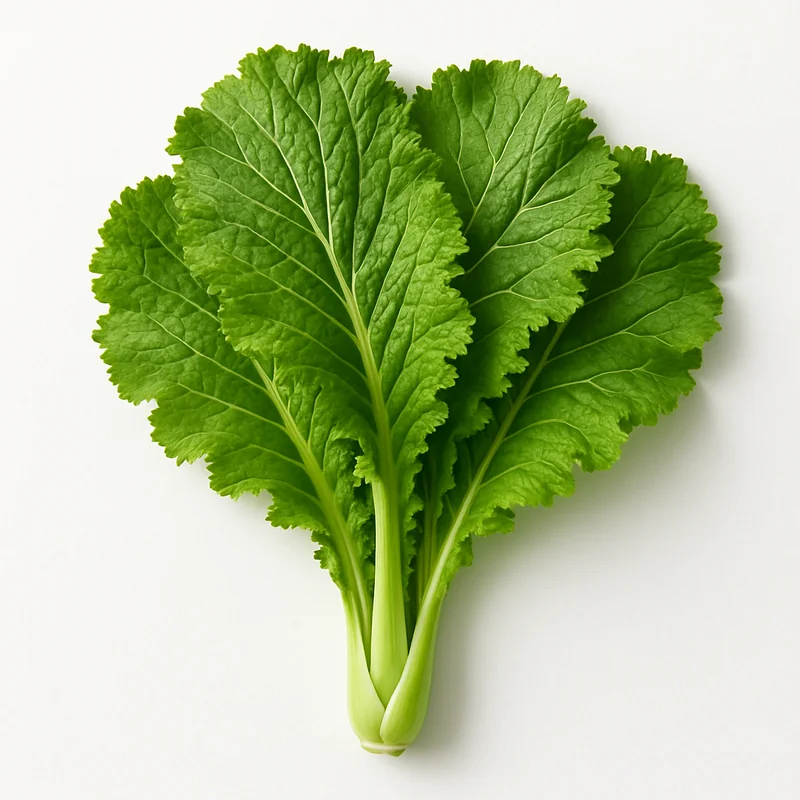
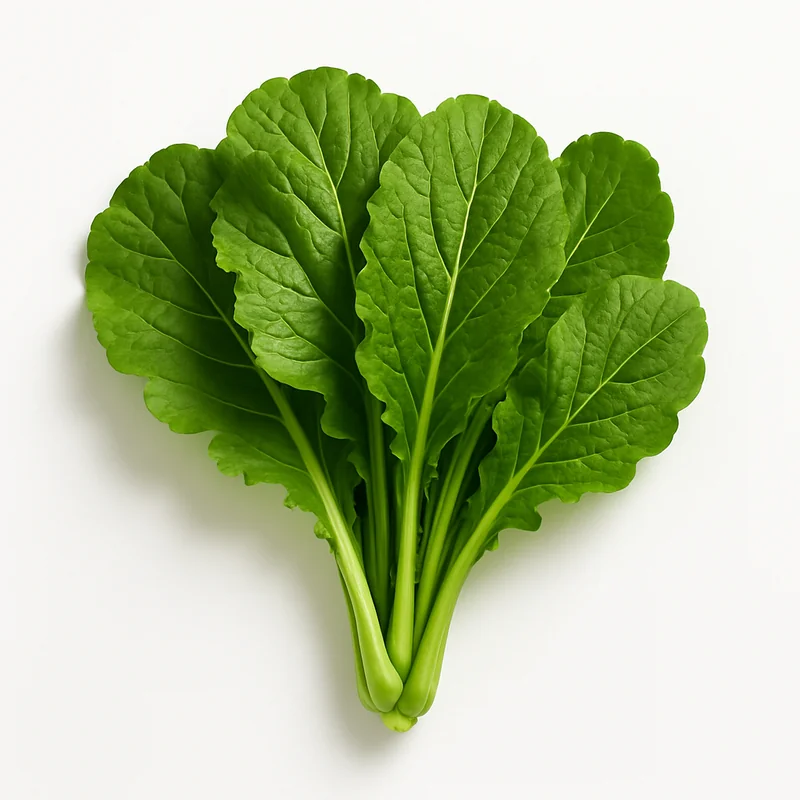
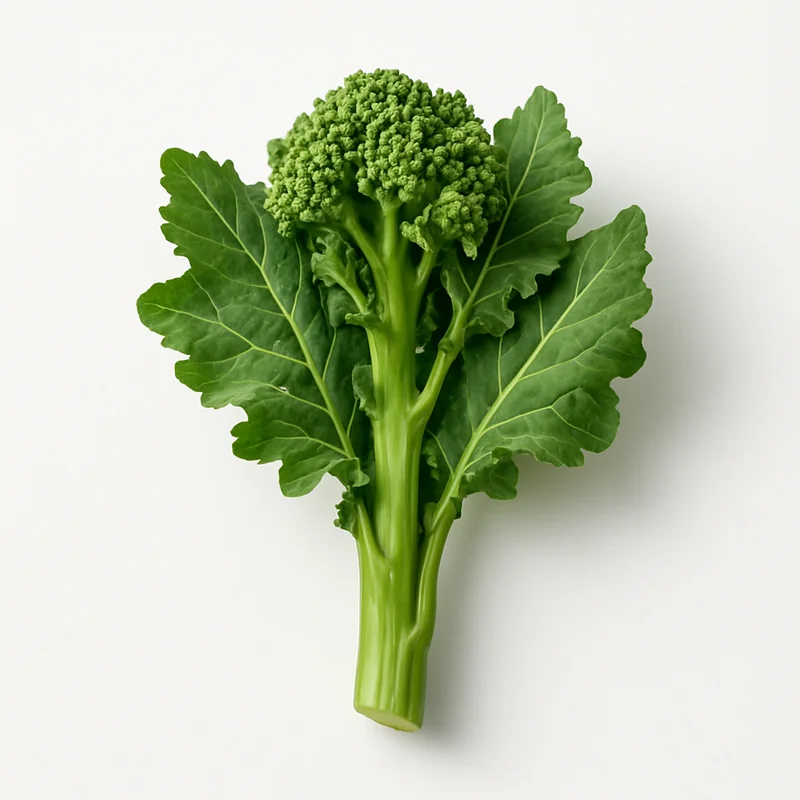
What is Amaranth Leave actually covering?
See which nutrients your diet already delivers and which ones your supplements still need to — food and pills measured on the same scale.
Check my nutrients2 questions · free · no account needed to start
Also on iPhone — get the free app
Evidence-based supplement guides, no spam
We send a short digest when new guides drop — nothing else. No affiliate pushes, no sponsored content, unsubscribe anytime.