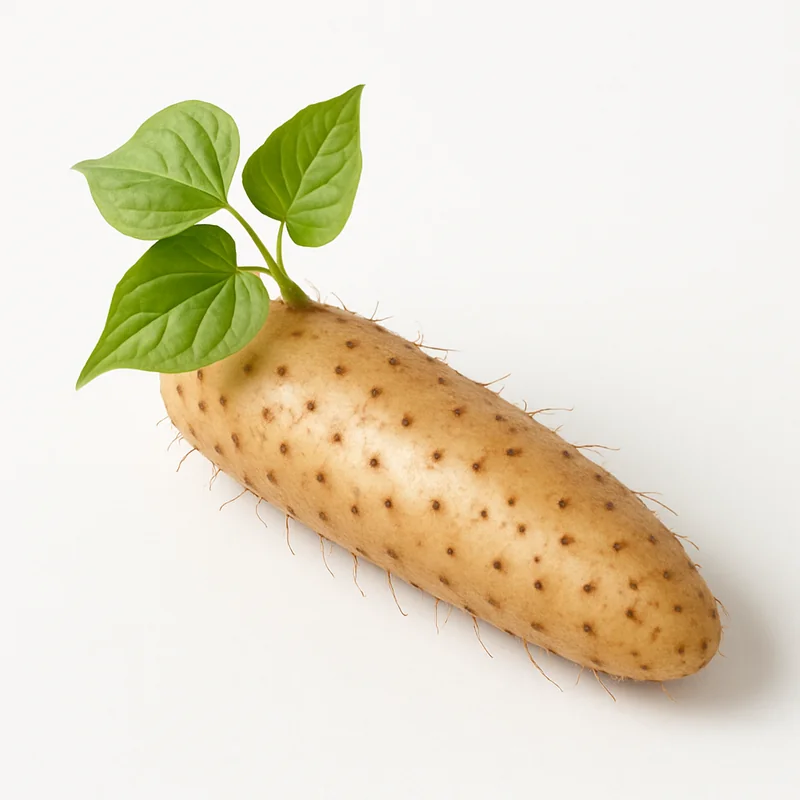
Mountain Yam
ScoreA
Mountain yam is a starchy root vegetable rich in potassium and resistant starch, offering sustained energy with minimal caloric density. Its high fiber content and micronutrient profile support digestive health and metabolic stability.
Why Mountain Yam scores 75
% Daily Value per ½ cup (85 g)
Nutrition
per 100 g
Health benefits
Improved insulin sensitivity and blood sugar control through resistant starch
moderate evidenceResistant starch bypasses small intestinal digestion, reaching the colon where it ferments and produces short-chain fatty acids (butyrate), which enhance insulin signaling and reduce postprandial glucose spikes
Enhanced cardiovascular health via potassium-sodium ratio
strong evidenceHigh potassium (418 mg) and very low sodium (13 mg) support vasodilation, reduce vascular stiffness, and lower blood pressure through natriuretic mechanisms
Prebiotic effects supporting gut microbiota diversity
moderate evidenceResistant starch and dietary fiber serve as substrates for beneficial bacteria (Faecalibacterium prausnitzii, Roseburia spp.), enhancing microbial fermentation and intestinal barrier function
Sustained energy provision with low glycemic impact
moderate evidenceComplex carbohydrates and resistant starch provide gradual glucose release, maintaining stable blood glucose and reducing energy crashes compared to refined carbohydrates
Pairs well with
- ·Pair with olive oil or avocado because fat-soluble phytochemicals and fat-soluble vitamin absorption are enhanced; also slows gastric emptying for sustained energy
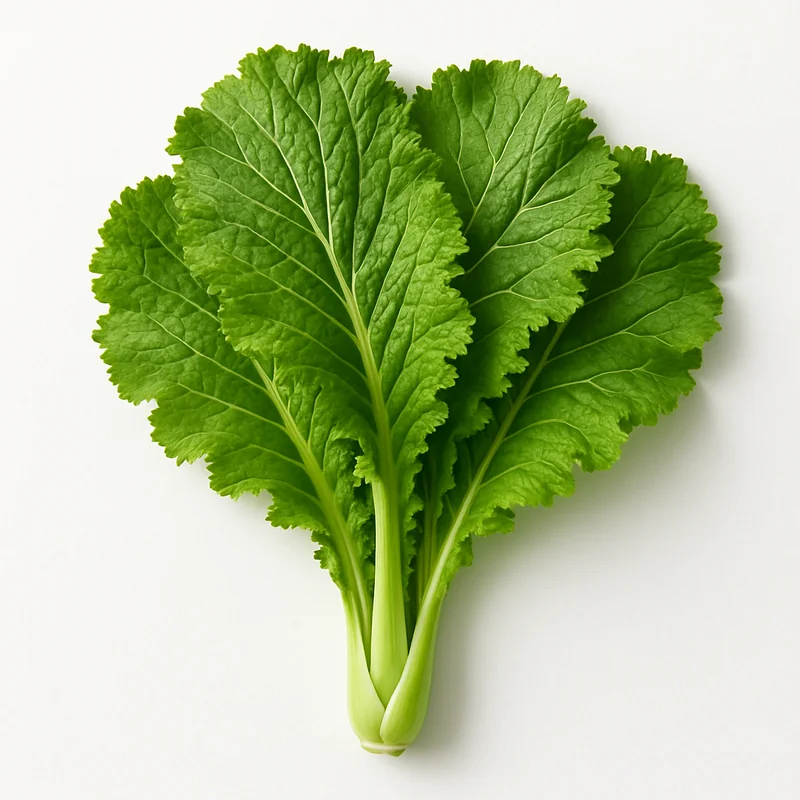
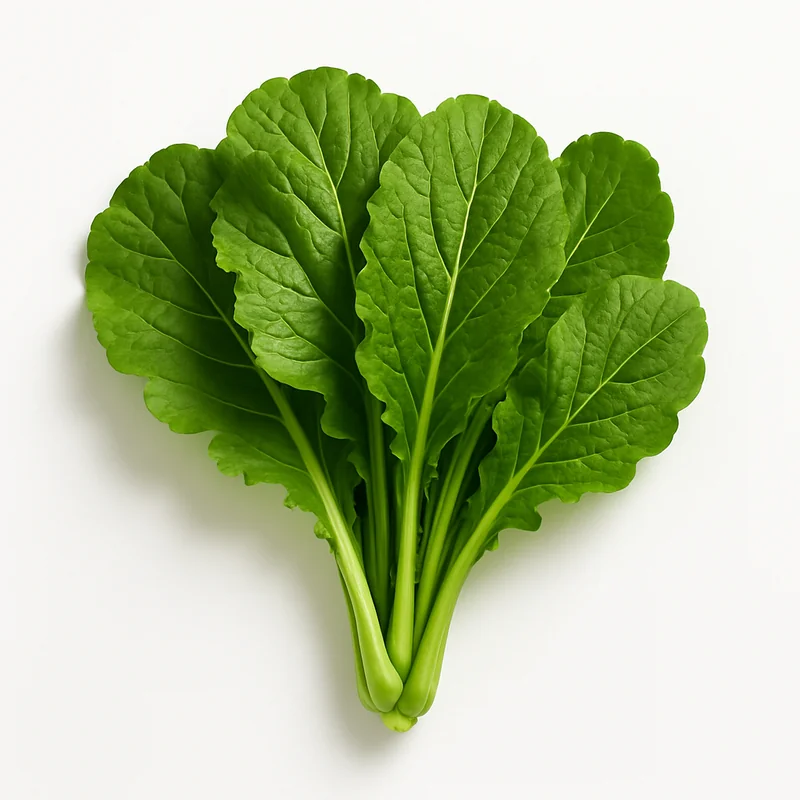
- ·Combine with leafy greens (spinach, kale) because vitamin K from greens synergizes with mountain yam's potassium for vascular calcification prevention
- ·Serve with fermented foods (kimchi, sauerkraut, miso) because existing probiotics work synergistically with mountain yam's prebiotic resistant starch to expand beneficial gut colonies
- ·Pair with vitamin C sources (citrus, bell peppers) because ascorbic acid enhances non-heme iron bioavailability from the mineral-rich yam
Practical tips
- ·Best timing: midday
- ·Store mountain yams in cool, dark, well-ventilated conditions (50-60°F); avoid refrigeration which converts starches and reduces shelf life to 1-2 weeks
- ·Cook with skin on whenever possible—the periderm contains concentrated polyphenols and resistant starch; boiling or steaming preserves these better than roasting
- ·Allow cooked mountain yams to cool to room temperature before consumption to maximize resistant starch formation through retrogradation
- ·Choose firm yams without soft spots or sprouting; test for doneness by piercing with a fork—flesh should be creamy, not mealy
- ·Consume 1-2 servings (100-200g) as part of mixed meals to optimize satiety and glucose response; avoid isolated consumption on an empty stomach
Related foods
What is Mountain Yam actually covering?
See which nutrients your diet already delivers and which ones your supplements still need to — food and pills measured on the same scale.
Check my nutrients2 questions · free · no account needed to start
Also on iPhone — get the free app
Evidence-based supplement guides, no spam
We send a short digest when new guides drop — nothing else. No affiliate pushes, no sponsored content, unsubscribe anytime.