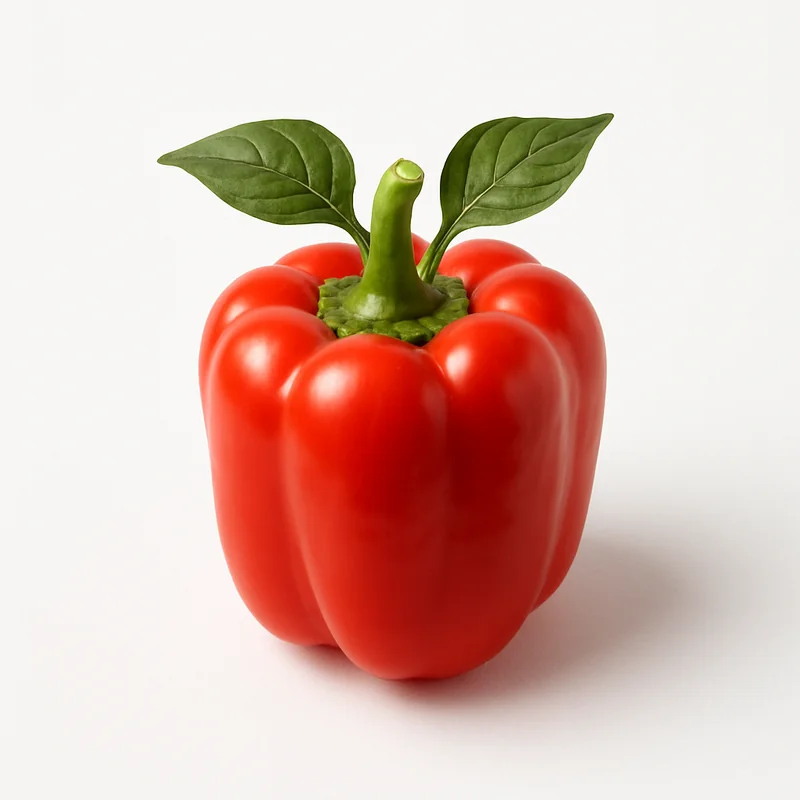
Pepper
ScoreA+
Bell peppers are nutrient-dense vegetables exceptionally high in vitamin C and potassium, providing minimal calories while supporting immune function and cardiovascular health.
Why Pepper scores 92
% Daily Value per ½ cup (85 g)
Nutrition
per 100 g
Health benefits
Enhanced immune function and collagen synthesis
strong evidenceVitamin C acts as a cofactor for hydroxylation of proline and lysine in collagen formation and supports T-cell proliferation for immune response
Reduced cardiovascular disease risk
moderate evidenceHigh potassium supports vasodilation and blood pressure regulation; polyphenols reduce arterial stiffness and endothelial dysfunction
Antioxidant defense and reduced inflammation
moderate evidenceQuercetin, chlorogenic acid, and carotenoids (especially in red peppers) neutralize reactive oxygen species and inhibit NF-κB inflammatory signaling
Eye health and age-related macular degeneration prevention
moderate evidenceLutein, zeaxanthin, and lycopene accumulate in the retina and macula, filtering blue light and protecting photoreceptors from oxidative damage
Blood sugar regulation and insulin sensitivity
emerging evidenceLow glycemic index and soluble fiber slow glucose absorption; polyphenols enhance glucose transporter expression and insulin signaling
Pairs well with
- ·Pair with olive oil because fat-soluble carotenoids (lycopene, lutein) require dietary lipids for absorption and distribution to tissues
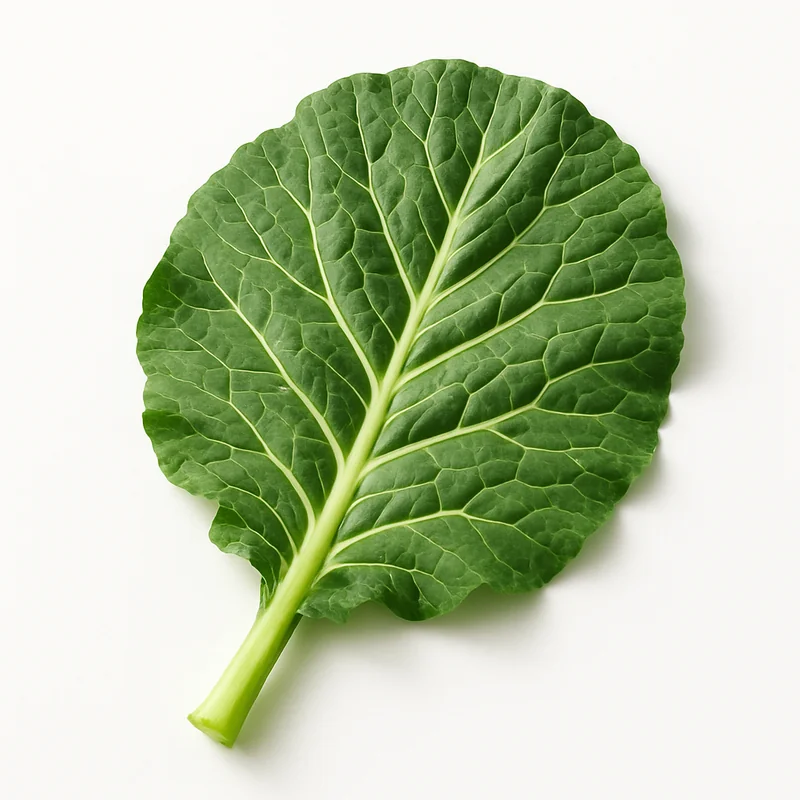
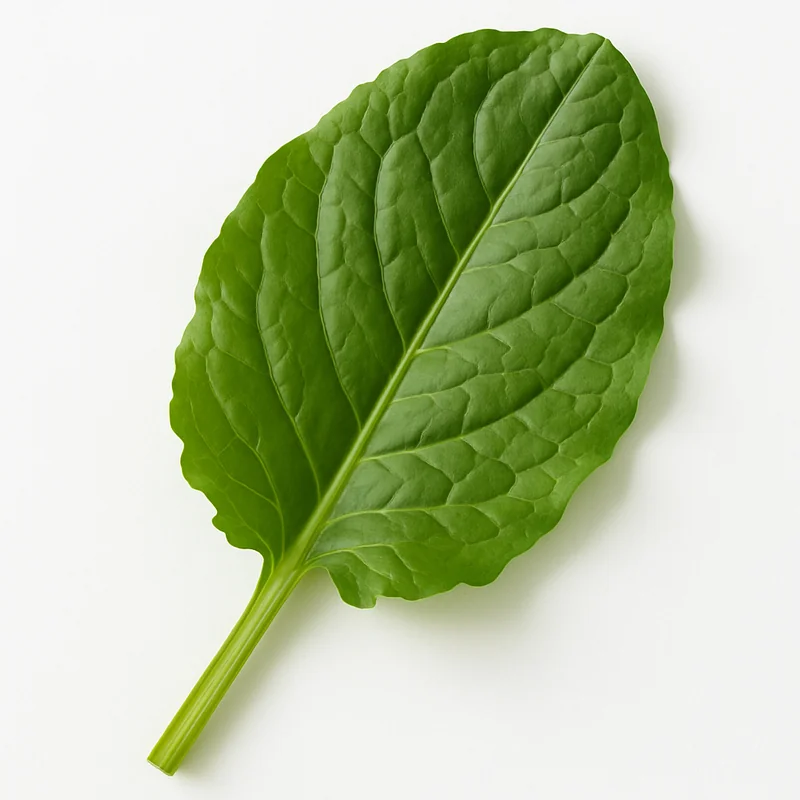
- ·Combine with leafy greens (spinach, kale) because complementary antioxidant profiles (peppers provide vitamin C to recycle vitamin E from greens) enhance overall polyphenol bioavailability
- ·Serve with legumes (chickpeas, lentils) because peppers' high vitamin C increases non-heme iron absorption from plant-based proteins by 3-4 fold
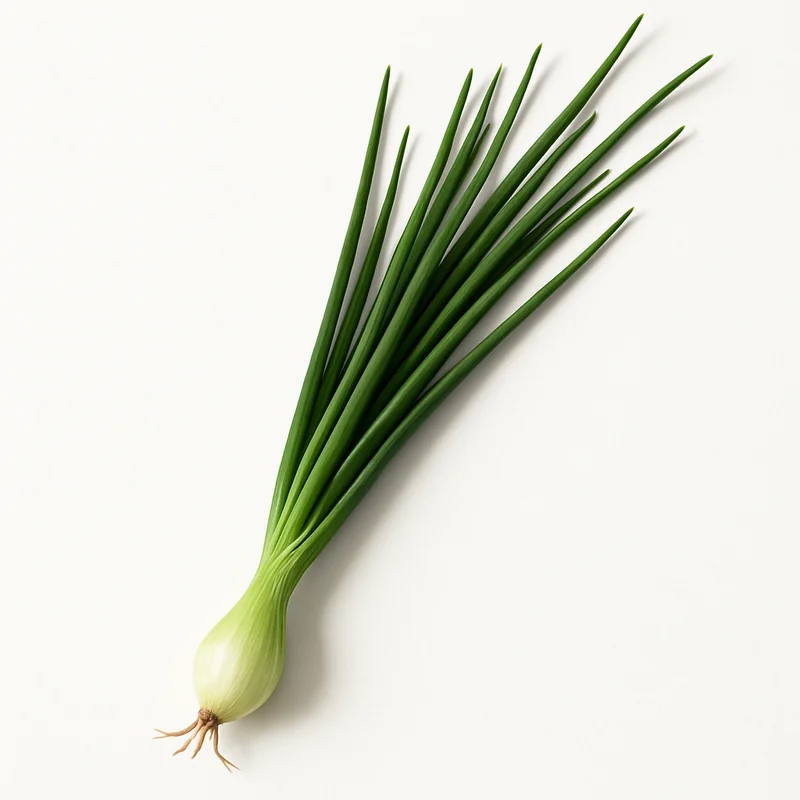
- ·Pair with garlic and onions because combined organosulfur compounds and polyphenols synergize for enhanced anti-inflammatory and antimicrobial effects
Practical tips
- ·Best timing: Peppers lack bioactive stimulants or sleep-affecting compounds and are ideal for any meal; consume with fat-containing meals to optimize carotenoid absorption regardless of time
- ·Choose red, orange, or yellow peppers over green for 30-40% higher vitamin C and 10x more lycopene; green peppers are harvested earlier and are nutritionally inferior
- ·Lightly roast or sauté peppers in olive oil rather than eating raw to increase carotenoid bioavailability by 2-3 fold through enhanced cell wall breakdown
- ·Store in refrigerator crisper drawer in breathable containers for up to 2 weeks; avoid plastic bags that trap ethylene gas and accelerate degradation
- ·Include peppers in meals with protein and fat sources (fish, nuts, olive oil) to maximize nutrient absorption and extend satiety during weight management
- ·Consume the skin preferentially as it contains concentrated quercetin and other polyphenols; peeling removes significant bioactive compounds
Related foods
What is Pepper actually covering?
See which nutrients your diet already delivers and which ones your supplements still need to — food and pills measured on the same scale.
Check my nutrients2 questions · free · no account needed to start
Also on iPhone — get the free app
Evidence-based supplement guides, no spam
We send a short digest when new guides drop — nothing else. No affiliate pushes, no sponsored content, unsubscribe anytime.