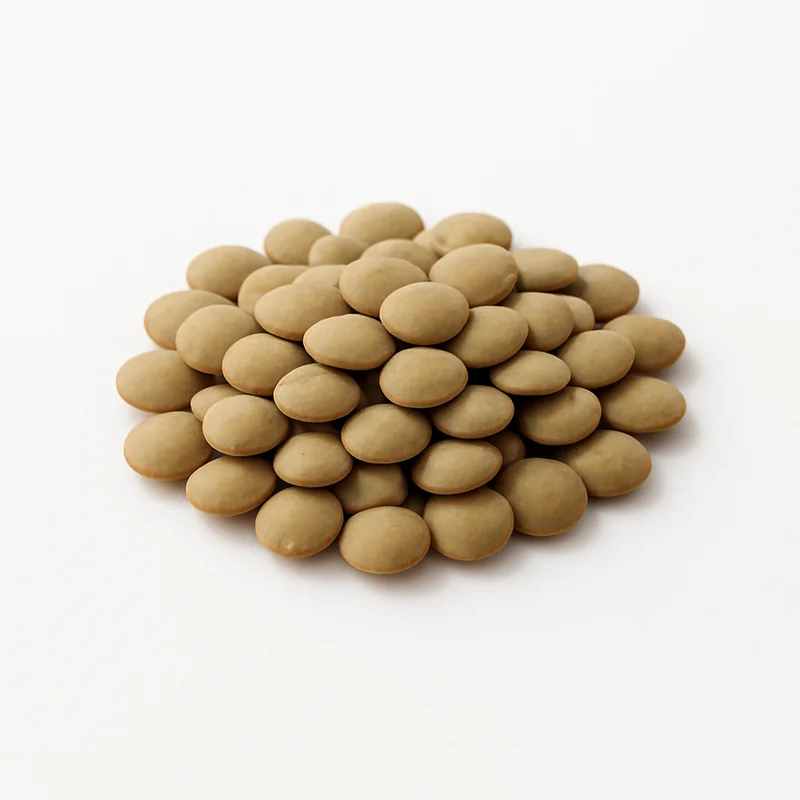
Lentils
ScoreA+
Lentils are nutrient-dense legumes rich in plant-based protein, fiber, and micronutrients, making them a cornerstone food for sustained energy and metabolic health.
Why Lentils scores 92
% Daily Value per ½ cup (90 g)
Nutrition
per 100 g
Health benefits
Stabilizes blood glucose and reduces cardiovascular disease risk
strong evidenceHigh fiber content (7.9g per 100g) and low glycemic index slow carbohydrate absorption, reducing postprandial glucose spikes and improving insulin sensitivity over time
Supports muscle maintenance and protein synthesis
strong evidenceComplete plant protein (9g per 100g) contains all essential amino acids including leucine, which activates mTOR signaling for muscle protein synthesis; lysine supports collagen crosslinking
Enhances gut microbiome diversity and short-chain fatty acid production
moderate evidenceResistant starch and soluble fiber act as prebiotics, selectively feeding Faecalibacterium and Roseburia species that produce butyrate, strengthening intestinal barrier integrity and reducing systemic inflammation
Reduces systemic inflammation via polyphenol antioxidants
moderate evidencePolyphenols like kaempferol and quercetin inhibit pro-inflammatory cytokine production (TNF-α, IL-6) and activate antioxidant defense pathways including SOD and catalase
Improves folate and iron status, supporting DNA methylation and oxygen transport
strong evidence181mcg folate per 100g supports one-carbon metabolism essential for epigenetic regulation; 3.33mg iron (heme-free) replenishes stores when paired with vitamin C for enhanced absorption
Pairs well with
- ·Pair with tomatoes or bell peppers: Vitamin C enhances non-heme iron absorption by 3-4 fold, maximizing bioavailability of lentils' 3.33mg iron per 100g
- ·Combine with whole grains (brown rice, quinoa): Completes amino acid profile by providing methionine where lentils are lower, creating a complete protein
- ·Pair with olive oil or avocado: Fat-soluble polyphenols have enhanced bioavailability when consumed with dietary lipids; supports anti-inflammatory effects
- ·Combine with garlic and onions: Organosulfur compounds from alliums enhance polyphenol absorption and add additional sulfur amino acids for glutathione synthesis
Practical tips
- ·Best timing: midday
- ·Soak dried lentils 4-12 hours before cooking to reduce phytic acid content by 30-40%, improving mineral bioavailability; discard soaking water and rinse thoroughly
- ·Cook lentils until tender but not mushy (15-25 min depending on variety) to preserve heat-sensitive folate and minimize oligosaccharide fermentation that causes bloating
- ·Select red or green lentils for highest polyphenol content; black 'beluga' lentils have concentrated anthocyanins (~1.5mg per 100g) supporting antioxidant status
- ·Store dried lentils in cool, dry conditions in airtight containers for up to 2 years; minimize oxidative degradation of micronutrients by protecting from light
- ·Consume lentils with fresh herbs (cilantro, parsley) to enhance flavor without added sodium and provide additional chelating compounds supporting heavy metal detoxification
Related foods
What is Lentils actually covering?
See which nutrients your diet already delivers and which ones your supplements still need to — food and pills measured on the same scale.
Check my nutrients2 questions · free · no account needed to start
Also on iPhone — get the free app
Evidence-based supplement guides, no spam
We send a short digest when new guides drop — nothing else. No affiliate pushes, no sponsored content, unsubscribe anytime.