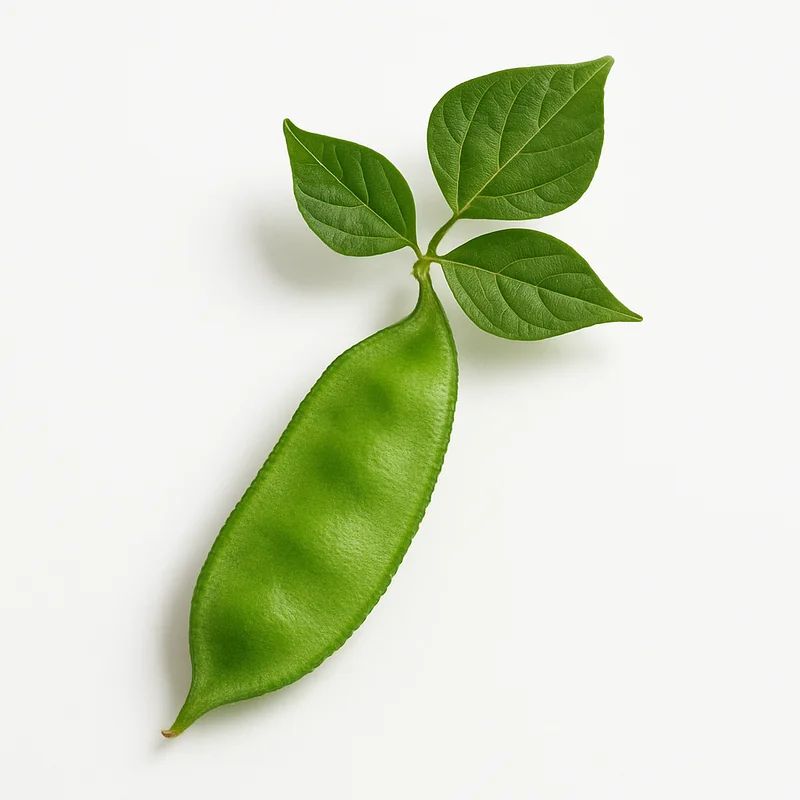
Hyacinth-Bean
ScoreA
Hyacinth bean is a legume vegetable with a mild flavor profile, rich in fiber and potassium while remaining low in calories. It provides plant-based protein and essential micronutrients supporting cardiovascular and digestive health.
Why Hyacinth-Bean scores 86
% Daily Value per ½ cup (90 g)
Nutrition
per 100 g
Health benefits
Supports cardiovascular health through potassium and fiber synergy
moderate evidencePotassium promotes vasodilation and reduces sodium-induced blood pressure elevation, while soluble fiber reduces LDL cholesterol absorption and improves endothelial function
Enhances digestive health and gut microbiota diversity
moderate evidenceHigh fiber content (3.3g/100g) acts as prebiotic fuel for beneficial bacteria, particularly Faecalibacterium and Roseburia species that produce short-chain fatty acids
Supports homocysteine metabolism and vascular health
moderate evidenceFolate (62mcg) serves as critical cofactor for methylenetetrahydrofolate reductase, reducing homocysteine levels linked to atherosclerosis and cognitive decline
Improves glycemic control and insulin sensitivity
moderate evidenceLow glycemic index combined with resistant starch and fiber slows glucose absorption, reducing postprandial insulin spikes and supporting metabolic flexibility
Promotes satiety and supports healthy body composition
emerging evidenceHigh fiber and protein density relative to calories increases gut stretch receptor signaling and cholecystokinin release, extending satiation duration
Pairs well with
- ·Pair with vitamin C-rich foods (tomatoes, peppers, citrus) to enhance non-heme iron bioavailability from the bean's iron content through reduction of ferric to ferrous form
- ·Combine with turmeric and black pepper to increase curcumin absorption and add anti-inflammatory compounds that synergize with hyacinth bean's fiber benefits
- ·Serve with whole grains (brown rice, millet) to create a complete amino acid profile and enhance sustained energy release through complementary carbohydrate-protein timing
- ·Pair with leafy greens (spinach, mustard greens) to increase folate density and add polyphenols that protect against oxidative stress in the digestive tract
Practical tips
- ·Best timing: midday
- ·Select young, tender pods with a vibrant green color and snap-test for crispness; avoid wilted or yellowing pods that indicate aging and nutrient loss
- ·Prepare immature hyacinth bean pods by light steaming (4-5 minutes) rather than prolonged boiling to preserve heat-sensitive vitamin C and water-soluble B vitamins
- ·Store fresh pods in the refrigerator's crisper drawer in a paper bag for 4-5 days; avoid plastic wrapping that traps ethylene gas and accelerates senescence
- ·If using dried mature beans, soak for 8-12 hours and discard soak water to reduce oligosaccharides; cook until fully tender (45-60 minutes) to deactivate any anti-nutritional factors
- ·Consume as part of mixed vegetable curries or stir-fries with healthy fats (coconut oil, ghee) to optimize absorption of fat-soluble micronutrients and support sustained satiety
Related foods
What is Hyacinth-Bean actually covering?
See which nutrients your diet already delivers and which ones your supplements still need to — food and pills measured on the same scale.
Check my nutrients2 questions · free · no account needed to start
Also on iPhone — get the free app
Evidence-based supplement guides, no spam
We send a short digest when new guides drop — nothing else. No affiliate pushes, no sponsored content, unsubscribe anytime.