
Kiwi
ScoreA+
Kiwi is a nutrient-dense tropical fruit rich in vitamin C, vitamin K, and actinidin enzyme, offering exceptional antioxidant and digestive benefits for longevity.
Why Kiwi scores 90
% Daily Value per 1 medium (140 g)
Nutrition
per 100 g
Health benefits
Improved sleep quality and earlier sleep onset
moderate evidenceKiwi contains serotonin and magnesium, neurotransmitters that regulate sleep-wake cycles. Studies show consumption 1-2 hours before bed increases sleep efficiency by 5-10%.
Enhanced cardiovascular function and blood vessel flexibility
moderate evidenceVitamin C, polyphenols, and potassium in kiwi improve endothelial nitric oxide production, reducing arterial stiffness and supporting healthy blood pressure.
Optimized digestive function and protein breakdown
moderate evidenceActinidin enzyme in fresh kiwi actively breaks down dietary proteins in the stomach and small intestine, improving nutrient bioavailability and reducing digestive discomfort.
Vision protection and macular degeneration prevention
moderate evidenceGreen kiwis contain lutein and zeaxanthin, carotenoids that accumulate in the macula and filter harmful blue light, protecting against age-related macular degeneration.
Reduced systemic inflammation and immune resilience
moderate evidenceHigh vitamin C concentration, polyphenols, and antioxidants neutralize oxidative stress markers and support natural killer cell function.
Pairs well with
- ·Pair with yogurt because actinidin enzyme enhances protein digestion and the probiotic cultures support gut health synergistically
- ·Combine with spinach or leafy greens because vitamin C in kiwi significantly increases non-heme iron absorption from plant sources
- ·Mix with almonds or walnuts because the polyphenols in kiwi improve absorption of fat-soluble compounds while nuts provide complementary magnesium
- ·Pair with fatty fish (salmon, mackerel) because vitamin C supports collagen synthesis while omega-3s provide anti-inflammatory synergy for cardiovascular health
Practical tips
- ·Best timing: Kiwi provides benefits across multiple time windows: morning consumption supports immune function and energy via vitamin C; pre-meal consumption optimizes protein digestion via actinidin; evening consumption 1-2 hours before sleep leverages serotonin for improved sleep quality.
- ·Select kiwis that yield slightly to gentle pressure; they ripen quickly at room temperature and can be stored in the refrigerator for 2-3 weeks for extended shelf life
- ·Consume kiwi with skin intact when possible—the skin contains additional fiber, antioxidants, and polyphenols; wash thoroughly before eating
- ·Eat fresh kiwi within 30 minutes of cutting to preserve actinidin enzyme activity before heat inactivation occurs; avoid heating kiwi if digestive enzyme benefit is desired
- ·For optimal sleep benefit, consume 1-2 medium kiwis 1-2 hours before bedtime on an empty stomach or light meal
- ·Gold kiwis offer milder flavor and slightly higher antioxidant capacity; green kiwis have stronger actinidin enzyme activity and higher lutein content for eye health
Related foods
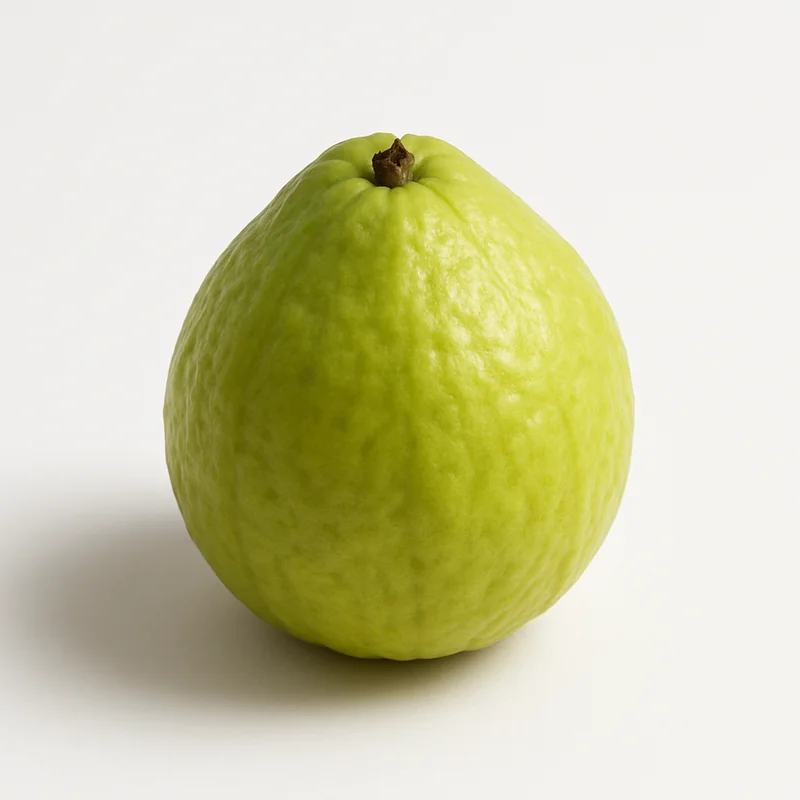

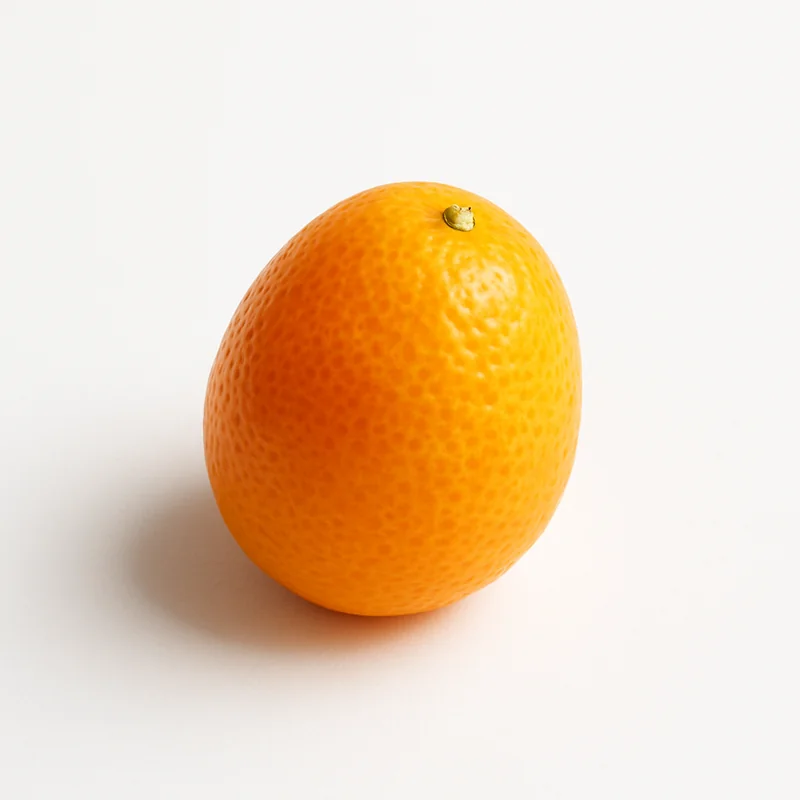

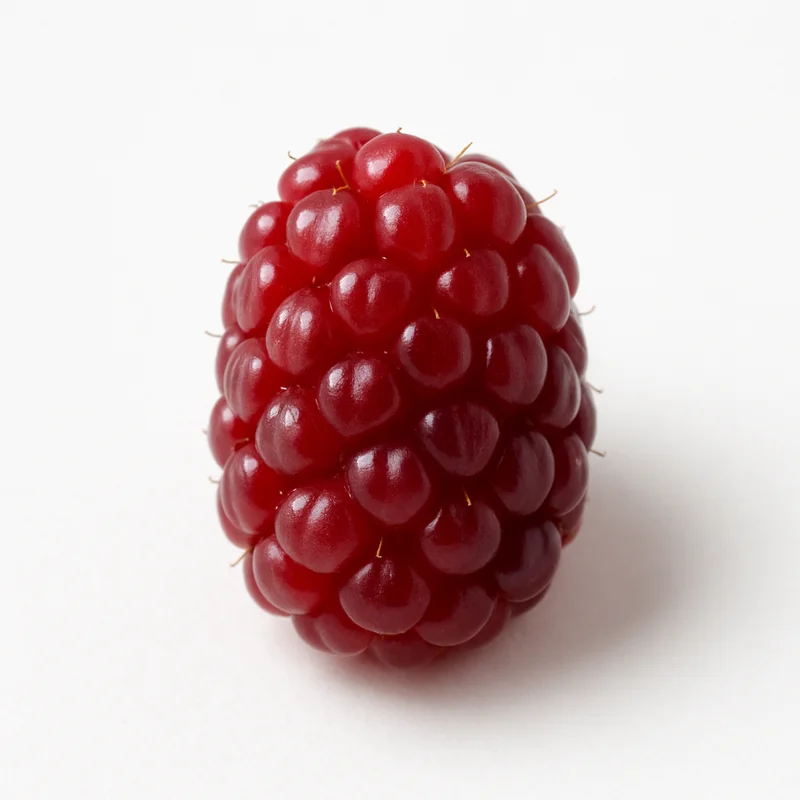
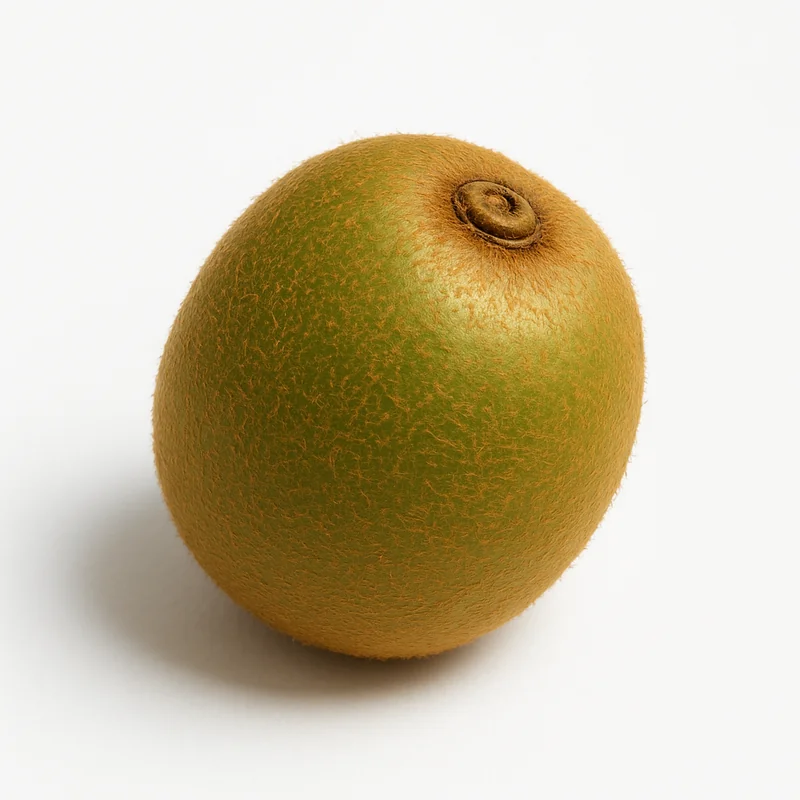
What is Kiwi actually covering?
See which nutrients your diet already delivers and which ones your supplements still need to — food and pills measured on the same scale.
Check my nutrients2 questions · free · no account needed to start
Also on iPhone — get the free app
Evidence-based supplement guides, no spam
We send a short digest when new guides drop — nothing else. No affiliate pushes, no sponsored content, unsubscribe anytime.