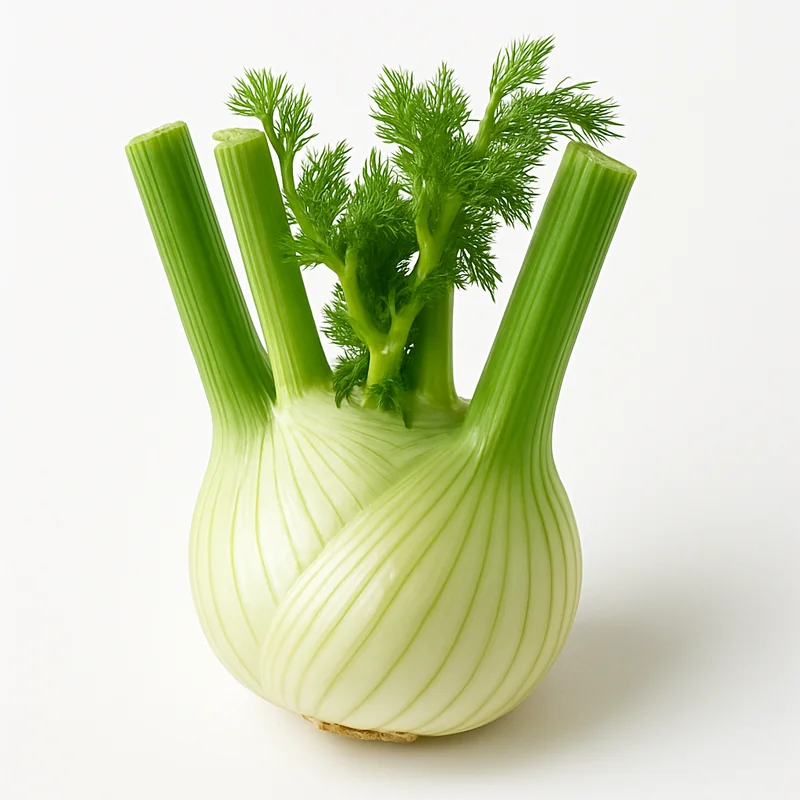
Fennel
ScoreA
Fennel is a low-calorie cruciferous vegetable rich in fiber, potassium, and vitamin K, with a subtle anise-like flavor that supports digestive and cardiovascular health.
Why Fennel scores 89
% Daily Value per ½ cup (85 g)
Nutrition
per 100 g
Health benefits
Improved digestive function and reduced bloating
moderate evidenceAnethole and fenchone compounds stimulate digestive enzyme secretion and promote smooth muscle relaxation in the GI tract, while soluble fiber (3.1g per 100g) feeds beneficial bacteria and increases stool bulk
Enhanced bone health and fracture resistance
strong evidenceHigh vitamin K content (62.8mcg, ~79% daily value) activates osteocalcin, a protein required for bone mineralization; potassium content reduces urinary calcium loss
Improved cardiovascular function and blood pressure regulation
moderate evidencePotassium (414mg) acts as a vasodilator and regulates sodium-potassium balance; fiber content helps reduce LDL cholesterol; anti-inflammatory compounds reduce arterial stiffness
Reduced inflammation and oxidative stress
moderate evidenceQuercetin and kaempferol flavonoids, along with anethole, inhibit pro-inflammatory cytokine production and neutralize free radicals
Supported estrogen metabolism and hormonal balance
emerging evidencePhytoestrogens in fennel may modulate estrogen receptor signaling; research suggests potential benefit during menopause, though human evidence is limited
Pairs well with
- ·Pair with olive oil because fat-soluble vitamin K (62.8mcg) requires dietary lipids for optimal absorption, and polyphenols are enhanced by lipid co-ingestion
- ·Combine with citrus (lemon, orange) because vitamin C enhances iron bioavailability from fennel while supporting collagen synthesis and antioxidant status
- ·Eat with fatty fish (salmon, mackerel) because omega-3 fatty acids synergize with fennel's anti-inflammatory compounds to reduce systemic inflammation and support cardiovascular function
- ·Pair with leafy greens (spinach, kale) because both are vitamin K-rich, creating a potent combination for bone mineralization and vascular health
Practical tips
- ·Best timing: midday
- ·Store fennel in the refrigerator's crisper drawer wrapped in damp paper towels for up to 10 days; discard any brown-spotted or mushy sections before use
- ·Slice fennel thinly (1-2mm) and eat raw in salads to preserve heat-sensitive vitamin C and maximize enzyme activity for digestion
- ·Roast fennel bulbs at 200°C for 25-30 minutes with olive oil and sea salt to caramelize natural sugars and enhance sweetness, making it palatable for fennel-averse individuals
- ·Use fennel fronds (the feathery tops) as a fresh herb garnish to capture additional fiber and volatile oils often discarded; 1-2 tablespoons adds minimal calories with concentrated flavor
- ·Consume fennel with meals containing fat (not as a standalone snack) to optimize vitamin K absorption and provide satiety through fiber while remaining very low-calorie
Related foods
What is Fennel actually covering?
See which nutrients your diet already delivers and which ones your supplements still need to — food and pills measured on the same scale.
Check my nutrients2 questions · free · no account needed to start
Also on iPhone — get the free app
Evidence-based supplement guides, no spam
We send a short digest when new guides drop — nothing else. No affiliate pushes, no sponsored content, unsubscribe anytime.