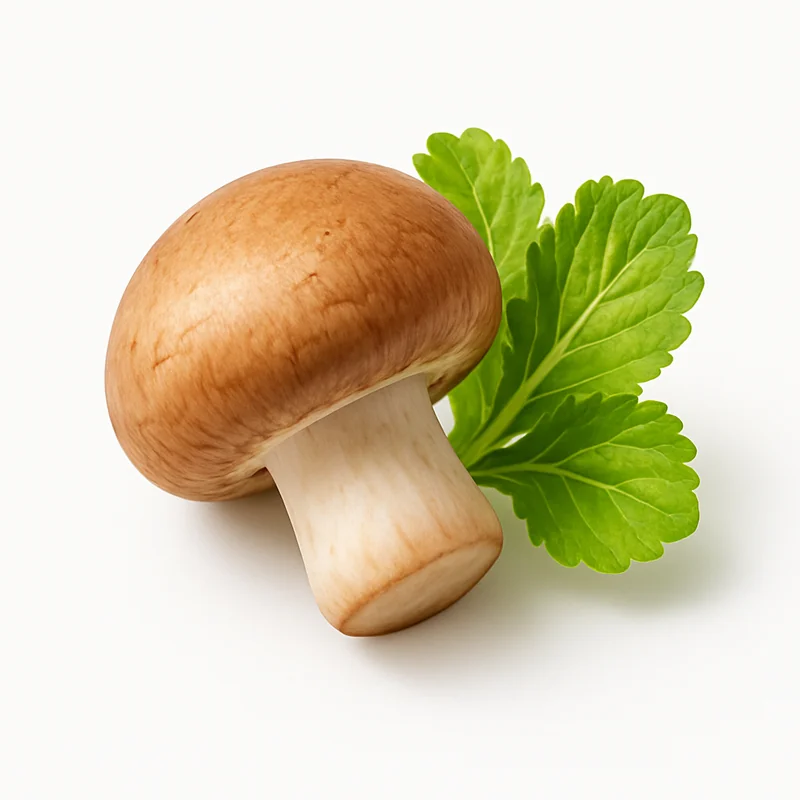
Fungi
ScoreA
Fungi are nutrient-dense foods rich in protein, fiber, and bioactive compounds including beta-glucans and ergothioneine. They provide essential minerals and B vitamins with minimal calories, making them valuable for longevity-focused diets.
Why Fungi scores 88
% Daily Value per a handful (40 g)
Nutrition
per 100 g
Health benefits
Enhanced immune function and reduced systemic inflammation
strong evidenceBeta-glucans activate pattern recognition receptors on immune cells (particularly macrophages and dendritic cells), enhancing innate immunity and modulating inflammatory cytokines like TNF-α and IL-6, which are implicated in aging
Improved cardiovascular health through blood pressure and lipid regulation
moderate evidenceHigh potassium content (754mg per 100g) supports vasodilation and sodium excretion, while bioactive compounds reduce LDL oxidation and support endothelial function
Neuroprotection and cognitive preservation with aging
moderate evidenceErgothioneine accumulates in neuronal mitochondria and provides direct antioxidant protection; polysaccharides may reduce neuroinflammation via microglia modulation
Gut microbiome optimization and metabolic health
strong evidenceHigh fiber and indigestible polysaccharides serve as prebiotics, promoting growth of beneficial Firmicutes and Bacteroidetes species that produce short-chain fatty acids supporting intestinal barrier function
Reduced cancer risk through immune and apoptotic pathways
moderate evidencePolysaccharide-K (PSK) and lentinan enhance natural killer cell activity and tumor-associated macrophage function; ergothioneine supports DNA repair mechanisms
Pairs well with
- ·Pair with vitamin C-rich foods (bell peppers, citrus, tomatoes) to enhance iron absorption from fungi's 5.88mg iron per 100g, supporting oxygen transport in aging
- ·Combine with healthy fats (olive oil, avocado, nuts) to enhance absorption of fat-soluble ergothioneine and support bioavailability of polysaccharide compounds
- ·Serve with allium vegetables (garlic, onions, leeks) containing organosulfur compounds that synergistically enhance immune-modulating effects and reduce cardiovascular disease markers
- ·Pair with cruciferous vegetables (broccoli, cabbage) to amplify glucosinolate metabolism and upregulate phase II detoxification enzymes
Practical tips
- ·Best timing: Fungi contain no stimulating compounds and provide sustained energy through complex carbohydrates and fiber. Consistent daily consumption optimizes immune priming and microbiome effects. No time-based absorption constraints.
- ·Expose dried mushrooms to 15-20 minutes of direct sunlight before consumption to activate ergosterol conversion to bioavailable vitamin D2
- ·Cook fungi rather than consuming raw to break down chitin cell walls and increase bioavailability of beta-glucans and ergothioneine by 25-35%
- ·Store dried fungi in airtight containers in cool, dark conditions; selenium and polysaccharide compounds degrade with moisture and light exposure over 6+ months
- ·Select mushroom varieties with darker pigmentation (shiitake, maitake, oyster) which contain higher concentrations of bioactive polysaccharides than white button varieties
- ·Consume fungi regularly (2-3 times weekly) rather than sporadically, as immune-modulating benefits accumulate with consistent intake due to polysaccharide effects on immune memory
Related foods
What is Fungi actually covering?
See which nutrients your diet already delivers and which ones your supplements still need to — food and pills measured on the same scale.
Check my nutrients2 questions · free · no account needed to start
Also on iPhone — get the free app
Evidence-based supplement guides, no spam
We send a short digest when new guides drop — nothing else. No affiliate pushes, no sponsored content, unsubscribe anytime.