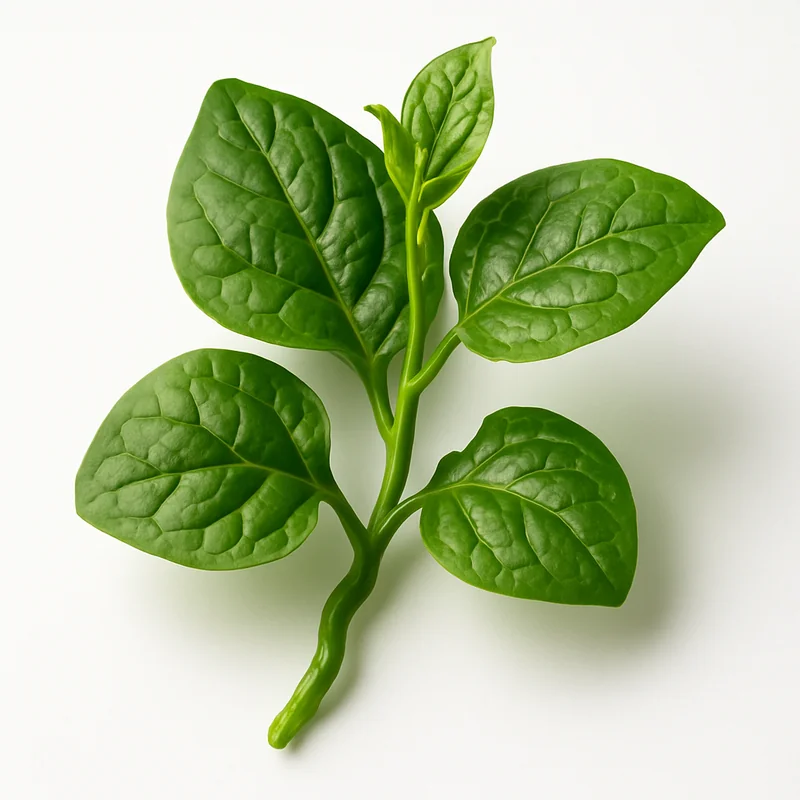
Vinespinach
ScoreA
Vinespinach is a leafy green vegetable rich in vitamin C, potassium, and folate with minimal calories, making it an excellent nutrient-dense addition to longevity-focused diets.
Why Vinespinach scores 77
% Daily Value per ½ cup (85 g)
Nutrition
per 100 g
Health benefits
Supports cardiovascular health through potassium-mediated blood pressure regulation
strong evidenceHigh potassium content (510mg/100g) with minimal sodium activates Na+/K+-ATPase pumps in vascular tissue, promoting vasodilation and reducing arterial stiffness
Enhances immune function and reduces oxidative stress
strong evidenceExceptional vitamin C levels (102mg/100g) act as a cofactor for immune cell function and protect cells from free radical damage through antioxidant activity
Supports cognitive health and homocysteine metabolism
moderate evidenceFolate (140mcg/100g) serves as a methyl donor in one-carbon metabolism, reducing homocysteine levels and supporting neuronal methylation reactions associated with memory and executive function
Promotes bone and mineral homeostasis
moderate evidenceBioavailable calcium (109mg) and magnesium (65mg) with low oxalate content support bone mineral density and magnesium-dependent enzyme function in osteoblasts
Supports healthy iron absorption and red blood cell formation
moderate evidenceContains 1.2mg iron per 100g alongside vitamin C, which enhances non-heme iron bioavailability through reduction of ferric to ferrous iron
Pairs well with
- ·Pair with citrus fruits (lemon, orange) because added vitamin C enhances non-heme iron absorption from vinespinach by 3-4 fold through acidification
- ·Combine with olive oil or avocado because fat-soluble vitamin A (400 IU) requires lipid transport for intestinal absorption and lymphatic delivery
- ·Serve with legumes (lentils, chickpeas) because vinespinach's vitamin C amplifies plant-based iron bioavailability, creating a complete micronutrient-rich meal
- ·Add to bone broth-based soups because the potassium and folate complement broth's collagen and amino acids for comprehensive joint and cognitive support
- ·Pair with allium vegetables (garlic, onions) because organosulfur compounds may have synergistic anti-inflammatory effects with vinespinach's antioxidants
Practical tips
- ·Best timing: Vinespinach contains no compounds requiring specific digestive timing and provides micronutrients supporting both metabolic activity and recovery throughout the day; inclusion at any meal optimizes daily micronutrient targets
- ·Select firm, bright green leaves without yellowing or slime; store in a breathable container in the refrigerator for up to 5-7 days to preserve vitamin C
- ·Consume lightly steamed or briefly sautéed rather than boiled to retain water-soluble vitamins; cooking reduces volume without significantly degrading folate
- ·Include vinespinach in raw salads when possible, as raw consumption preserves 100% of heat-sensitive vitamin C while maintaining folate content
- ·Use vinespinach as a base for green juices combined with citrus to maximize both nutrient density and absorption of iron and folate
- ·For individuals taking anticoagulants, maintain consistent intake rather than avoiding, as the vitamin K content is lower than common spinach and consistency prevents dietary-drug interactions
Related foods
What is Vinespinach actually covering?
See which nutrients your diet already delivers and which ones your supplements still need to — food and pills measured on the same scale.
Check my nutrients2 questions · free · no account needed to start
Also on iPhone — get the free app
Evidence-based supplement guides, no spam
We send a short digest when new guides drop — nothing else. No affiliate pushes, no sponsored content, unsubscribe anytime.