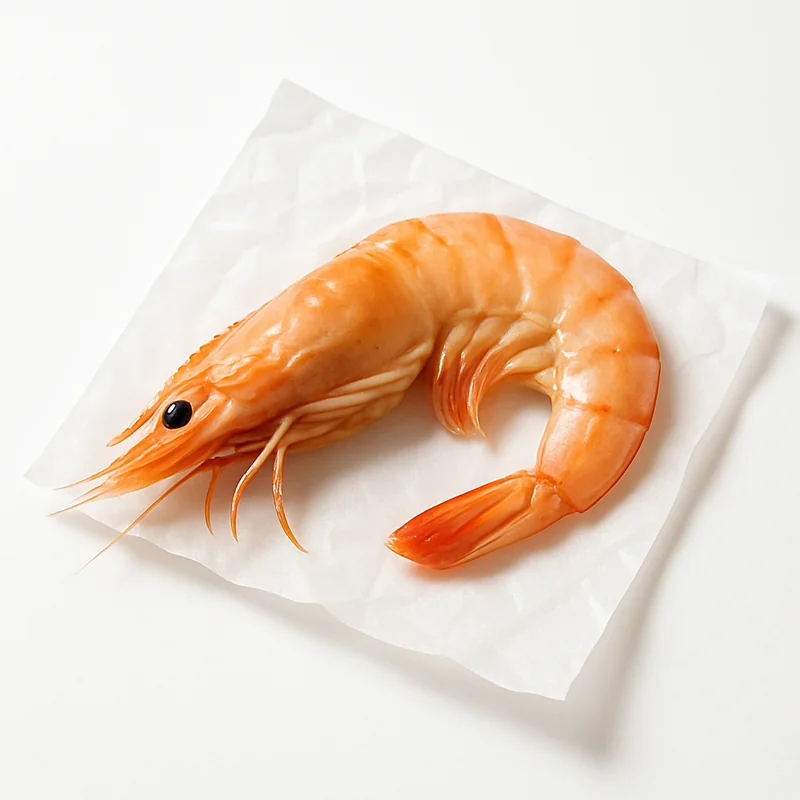
Shrimp
ScoreA
Shrimp is a low-calorie, protein-rich seafood with exceptional micronutrient density, particularly selenium, iodine, and vitamin B12, making it a nutrient-efficient choice for longevity-focused diets.
Why Shrimp scores 82
% Daily Value per 3 oz (85 g)
Nutrition
per 100 g
Health benefits
Enhanced muscle maintenance and synthesis during aging
strong evidenceShrimp's 20.9g protein per 100g, combined with leucine and other branched-chain amino acids, stimulates mTOR pathways that preserve muscle mass and reduce sarcopenia risk in older adults
Cardiovascular disease risk reduction
moderate evidenceSelenium and astaxanthin work synergistically to reduce oxidative stress and inflammation in arterial walls, improve endothelial function, and lower homocysteine levels via B12 metabolism
Cognitive function and neuroprotection
moderate evidenceSelenium and vitamin B12 support myelin formation, mitochondrial energy production, and reduce neuroinflammation, protecting against age-related cognitive decline
Thyroid function and metabolic regulation
strong evidenceIodine and selenium are essential cofactors for thyroid peroxidase enzyme, enabling optimal thyroid hormone synthesis and metabolism
Immune resilience and wound healing
strong evidenceZinc activates T-cell function, enables collagen synthesis, and supports mucosal barrier integrity; selenium enhances glutathione peroxidase activity for immune cell protection
Pairs well with
- ·Pair with cruciferous vegetables (broccoli, Brussels sprouts) because their sulfur compounds enhance selenium bioavailability and support phase-2 detoxification enzymes
- ·Combine with citrus (lemon, orange) because vitamin C enhances non-heme iron absorption from any supplementary iron and synergizes with astaxanthin antioxidant activity
- ·Serve with olive oil because fat-soluble astaxanthin requires dietary lipid for optimal absorption, and oleocanthal in olive oil provides additional anti-inflammatory benefits
- ·Pair with garlic and onions because their organosulfur compounds (allicin, quercetin) potentiate selenium's antioxidant enzyme expression and reduce inflammatory cytokines
Practical tips
- ·Best timing: post-workout
- ·Select wild-caught or responsibly farmed shrimp; wild varieties typically contain higher astaxanthin concentrations due to natural algae-based diet
- ·Buy frozen immediately after harvest if fresh is unavailable—frozen shrimp maintains nutrient integrity for 12+ months and often has lower bacterial counts than thawed varieties
- ·Avoid overcooking (limit to 4-6 minutes boiling or 2-3 minutes sautéing) to preserve heat-sensitive B vitamins, particularly B12 and folate cofactors
- ·For individuals with shellfish allergies, note that shrimp allergy is distinct; cross-reactivity with mollusks is minimal but individual testing is recommended
- ·Consume 100-150g servings 2-3 times weekly for optimal micronutrient benefit without exceeding iodine from other sources (seaweed, iodized salt)
Related foods
What is Shrimp actually covering?
See which nutrients your diet already delivers and which ones your supplements still need to — food and pills measured on the same scale.
Check my nutrients2 questions · free · no account needed to start
Also on iPhone — get the free app
Evidence-based supplement guides, no spam
We send a short digest when new guides drop — nothing else. No affiliate pushes, no sponsored content, unsubscribe anytime.