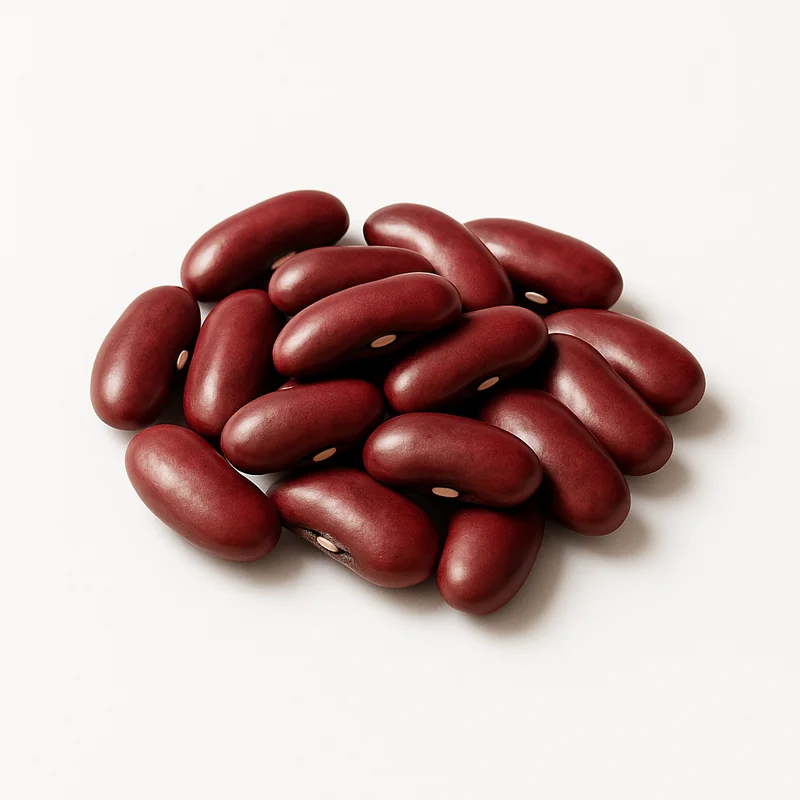
Kidney Beans
ScoreA
Kidney beans are nutrient-dense legumes rich in plant-based protein, fiber, and essential minerals, making them a cornerstone food for sustained energy and metabolic health.
Why Kidney Beans scores 88
% Daily Value per ½ cup (90 g)
Nutrition
per 100 g
Health benefits
Improves insulin sensitivity and reduces postprandial glucose spikes
strong evidenceResistant starch and soluble fiber slow carbohydrate digestion and absorption, reducing blood glucose fluctuations and lowering insulin demand
Supports cardiovascular health through lipid and homocysteine reduction
strong evidenceSoluble fiber binds cholesterol; folate reduces homocysteine; polyphenols reduce oxidative stress and endothelial inflammation
Enhances gut microbiome diversity and short-chain fatty acid production
moderate evidenceResistant starch and fiber serve as prebiotics, feeding beneficial bacteria like Faecalibacterium and Roseburia, which produce butyrate for intestinal barrier integrity
Increases sustained satiety and supports healthy body composition
moderate evidenceHigh protein and fiber content delays gastric emptying and activates satiety hormones (GLP-1, PYY), reducing overall caloric intake
Supports bone mineral density through mineral and phytochemical content
emerging evidenceManganese, phosphorus, and polyphenolic compounds promote osteoblast activity and reduce bone resorption markers
Pairs well with
- ·Pair with vitamin C-rich foods (tomatoes, bell peppers, citrus) to enhance non-heme iron absorption by up to 3-fold
- ·Combine with whole grains (brown rice, quinoa) to create a complete amino acid profile with all nine essential amino acids
- ·Mix with leafy greens (spinach, kale) to amplify folate intake and polyphenol diversity for enhanced antioxidant effect
- ·Pair with allium vegetables (garlic, onions) to synergize sulfur compounds and organosulfurs for enhanced anti-inflammatory activity
Practical tips
- ·Best timing: midday
- ·Soak dried kidney beans for 12 hours and discard water to reduce lectins and phytates, improving mineral bioavailability and digestibility
- ·Cook beans with kombu seaweed or a small piece of ginger to further reduce oligosaccharides that cause bloating
- ·Store cooked beans in glass containers for up to 5 days; freeze portions for up to 3 months to preserve resistant starch content
- ·Include kidney beans in 2-3 meals weekly (½ to ¾ cup cooked portions) to achieve prebiotic and cardiometabolic benefits documented in research
Related foods
What is Kidney Beans actually covering?
See which nutrients your diet already delivers and which ones your supplements still need to — food and pills measured on the same scale.
Check my nutrients2 questions · free · no account needed to start
Also on iPhone — get the free app
Evidence-based supplement guides, no spam
We send a short digest when new guides drop — nothing else. No affiliate pushes, no sponsored content, unsubscribe anytime.