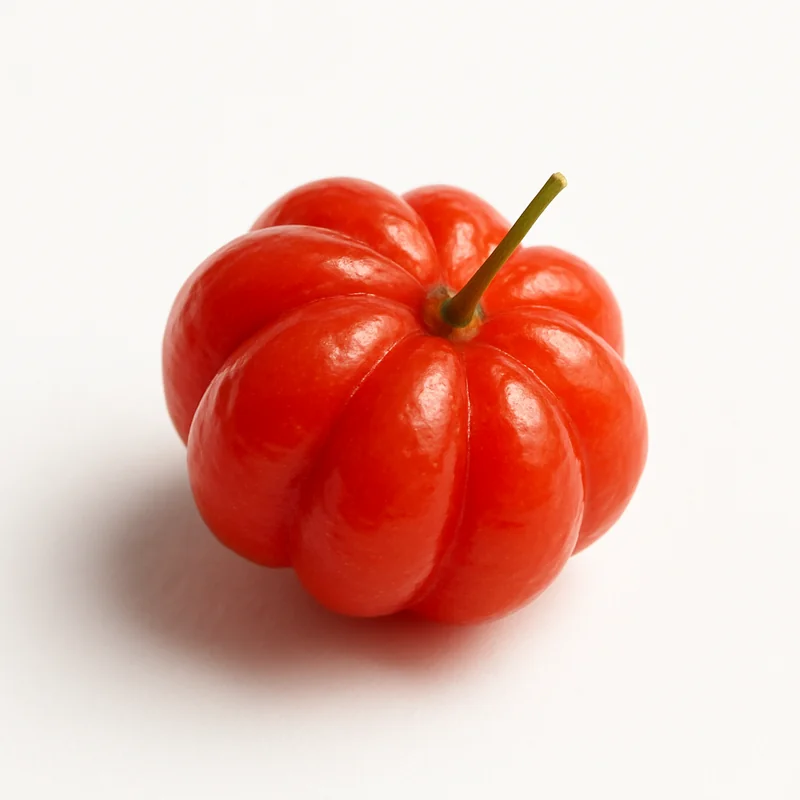
Pitanga
ScoreA
Pitanga is a small, crimson tropical fruit native to South America, delivering concentrated vitamin C and bioactive polyphenols in just 33 calories per 100g. Its tart flavor and nutrient density make it a longevity-supporting addition to tropical fruit rotations.
Why Pitanga scores 84
% Daily Value per 1 medium (140 g)
Nutrition
per 100 g
Health benefits
Enhanced immune function and collagen synthesis
strong evidenceHigh vitamin C content (26.3mg/100g) supports neutrophil function, antibody production, and crosslinking of collagen for tissue integrity and wound healing
Antioxidant protection against oxidative stress
moderate evidenceAnthocyanins and ellagic acid neutralize free radicals and upregulate endogenous antioxidant enzymes like superoxide dismutase
Cardiovascular support through potassium and polyphenols
moderate evidencePotassium (103mg) aids vasodilation and sodium-potassium pump function; quercetin and anthocyanins improve endothelial function and reduce arterial stiffness
Anti-inflammatory and antimicrobial activity
emerging evidencePolyphenolic compounds inhibit pro-inflammatory cytokine production and demonstrate activity against pathogenic bacteria and fungi
Metabolic health and glucose regulation
emerging evidenceLow glycemic load with polyphenols that may enhance insulin sensitivity and improve glucose homeostasis
Pairs well with
- ·Pair with full-fat Greek yogurt because the fat solubilizes fat-soluble polyphenols and slows gastric emptying, improving sustained antioxidant absorption
- ·Combine with leafy greens (spinach, arugula) because vitamin C enhances non-heme iron bioavailability from greens, supporting oxygen transport
- ·Mix with nuts or seeds because fat and protein synergize with polyphenol absorption and provide sustained satiety despite pitanga's low calorie density
- ·Pair with other red/purple fruits (raspberries, acai) because complementary anthocyanin profiles create broader antioxidant spectrum coverage
Practical tips
- ·Best timing: Pitanga's low glycemic load, modest calorie profile, and lack of antinutrients make it appropriate across meal timing strategies. Morning consumption leverages vitamin C for immune priming; post-workout consumption provides rapid carbohydrates with antioxidants for recovery.
- ·Select pitangas that yield slightly to gentle pressure and display deep crimson color—these indicate peak polyphenol concentration and ripeness
- ·Consume the skin for maximum bioactive compound intake; the skin contains highest anthocyanin and ellagic acid concentration
- ·Store ripe pitangas in the refrigerator for 3-5 days or freeze whole for later use in smoothies—freezing does not significantly degrade vitamin C or polyphenols
- ·Source from tropical markets or online specialty suppliers since commercial availability remains limited; look for organic certification to minimize pesticide exposure on this thin-skinned fruit
- ·Use in smoothie bowls, fresh compotes, or as a garnish for desserts rather than extended cooking, which denatures heat-sensitive vitamin C
Related foods
What is Pitanga actually covering?
See which nutrients your diet already delivers and which ones your supplements still need to — food and pills measured on the same scale.
Check my nutrients2 questions · free · no account needed to start
Also on iPhone — get the free app
Evidence-based supplement guides, no spam
We send a short digest when new guides drop — nothing else. No affiliate pushes, no sponsored content, unsubscribe anytime.