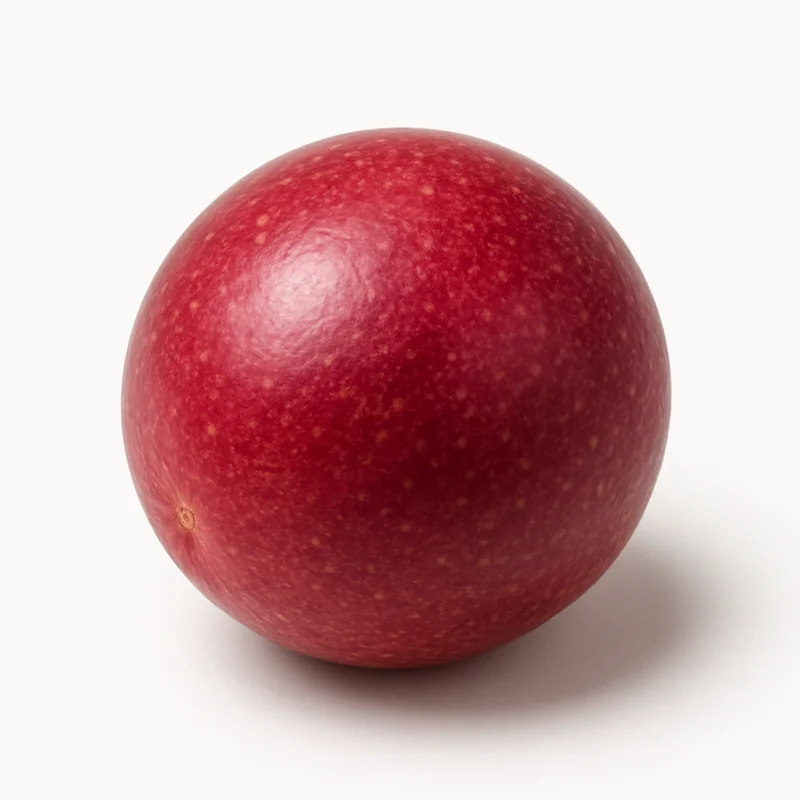
Passion-Fruit
ScoreA
Passion fruit is a tropical fruit rich in fiber, vitamin C, and polyphenolic compounds, delivering exceptional nutrient density at just 97 calories per 100g. Its high soluble fiber content and antioxidant profile make it particularly valuable for metabolic health and longevity.
Why Passion-Fruit scores 88
% Daily Value per 1 medium (140 g)
Nutrition
per 100 g
Health benefits
Improved gut microbiota composition and metabolic health through prebiotic fiber
strong evidenceSoluble fiber in passion fruit (pectin and cellulose) feeds beneficial gut bacteria, increasing production of short-chain fatty acids like butyrate, which strengthen gut barrier function and reduce systemic inflammation
Enhanced insulin sensitivity and reduced diabetes risk
moderate evidenceHigh fiber content slows glucose absorption, preventing blood sugar spikes; polyphenols like piceatannol improve pancreatic beta-cell function and enhance GLUT4 glucose transporter expression
Cardiovascular protection and improved vascular endothelial function
moderate evidencePolyphenols and vitamin C support nitric oxide production, improving arterial flexibility; high potassium content facilitates sodium excretion and reduces blood pressure burden
Reduced systemic inflammation and oxidative stress
moderate evidenceFlavonoids and other polyphenols neutralize reactive oxygen species and suppress pro-inflammatory cytokine pathways, protecting cellular machinery from age-related damage
Improved bone mineral density and skeletal health
emerging evidenceMagnesium (29mg) and phosphorus (68mg) are essential cofactors for bone matrix mineralization; vitamin C supports collagen cross-linking in bone architecture
Pairs well with
- ·Pair with Greek yogurt or kefir: the probiotics in fermented dairy synergize with passion fruit's prebiotic fiber to optimize gut dysbiosis reversal and butyrate production
- ·Combine with nuts (almonds, walnuts): monounsaturated fats enhance absorption of fat-soluble polyphenols and provide sustained energy, reducing glucose spike from passion fruit's carbohydrates
- ·Mix with dark leafy greens in salads: the vitamin C in passion fruit enhances non-heme iron bioavailability from spinach or kale by 3-4 fold through acidic chelation
- ·Blend with berries: anthocyanins from berries and polyphenols from passion fruit create synergistic antioxidant effects that exceed individual contribution
Practical tips
- ·Best timing: midday
- ·Select passion fruits with wrinkled, dark skin (indicates ripeness and sugar concentration); smooth skin indicates under-ripeness and suboptimal polyphenol content
- ·Consume seeds along with pulp: the seeds contain concentrated piceatannol and beneficial fiber; they are safe to digest and contribute substantially to antioxidant yield
- ·Store ripe passion fruits at room temperature (18-22°C) away from direct sunlight for up to 5 days, or refrigerate for 2-3 weeks; cold storage preserves polyphenol stability
- ·Scoop pulp directly into a bowl and eat with a spoon to maximize seed consumption; avoid juicing alone as this removes insoluble fiber critical for glycemic control
- ·For maximum polyphenol retention, consume fresh and unheated; cooking degrades heat-sensitive flavonoids by 15-30%
Related foods

What is Passion-Fruit actually covering?
See which nutrients your diet already delivers and which ones your supplements still need to — food and pills measured on the same scale.
Check my nutrients2 questions · free · no account needed to start
Also on iPhone — get the free app
Evidence-based supplement guides, no spam
We send a short digest when new guides drop — nothing else. No affiliate pushes, no sponsored content, unsubscribe anytime.