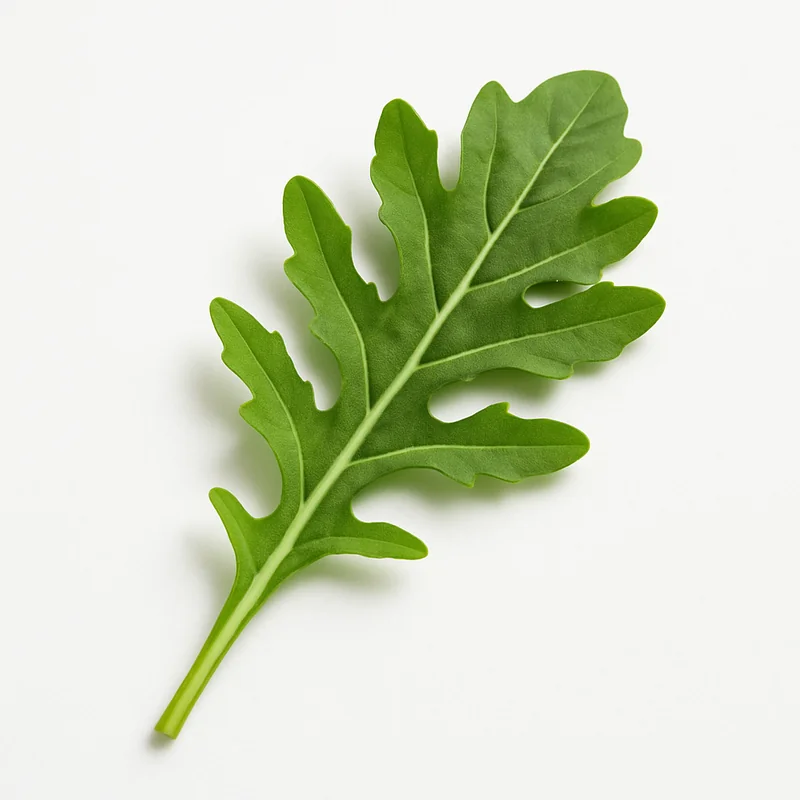
Arugula
ScoreA+
Arugula is a peppery leafy green vegetable rich in vitamins K, C, and folate, with minimal calories and high nutrient density. It contains glucosinolates, sulfur compounds with potential anti-cancer properties.
Why Arugula scores 93
% Daily Value per ½ cup (85 g)
Nutrition
per 100 g
Health benefits
Supports bone health and vascular calcification prevention
strong evidenceVitamin K activates osteocalcin and matrix Gla-protein, essential proteins for bone mineralization and prevention of arterial calcification
May reduce cancer risk through glucosinolate metabolism
moderate evidenceGlucosinolates convert to isothiocyanates, which activate detoxification enzymes (phase II) and suppress carcinogenic pathways in multiple tissue types
Enhances folate status for cardiovascular and cognitive health
strong evidenceFolate supports methylation cycles, reducing homocysteine levels (a cardiovascular risk marker) and supporting neurotransmitter synthesis
Provides anti-inflammatory and antioxidant support
moderate evidenceHigh vitamin C and polyphenols (quercetin, kaempferol) neutralize free radicals and suppress NF-κB inflammatory signaling
Supports healthy blood pressure regulation
strong evidencePotassium activates Na+/K+-ATPase pump, promoting vasodilation and counteracting sodium-induced hypertension
Pairs well with
- ·Pair with olive oil because fat-soluble vitamin K and carotenoids require dietary fat for optimal absorption
- ·Combine with lemon or vinegar because acidic compounds enhance glucosinolate bioavailability and myrosinase enzyme activity
- ·Mix with cruciferous vegetables (broccoli, cabbage) because synergistic glucosinolate profiles amplify phase II detoxification enzyme induction
- ·Serve with iron-rich foods (legumes, grass-fed beef) because vitamin C in arugula enhances non-heme iron absorption by 3-4 fold
Practical tips
- ·Best timing: Arugula's low caloric and carbohydrate profile makes it metabolically neutral; optimal benefits come from consistent daily intake rather than specific timing. Some evidence suggests consuming cruciferous vegetables with meals enhances folate and fat-soluble nutrient absorption.
- ·Consume raw or lightly steamed to preserve heat-sensitive vitamin C and maximize glucosinolate content; extended cooking can degrade these compounds
- ·Chew thoroughly before swallowing to activate myrosinase enzyme, which converts glucosinolates to bioactive isothiocyanates
- ·Store in sealed containers at 35-40°F with high humidity; use within 5-7 days as vitamin C degrades rapidly post-harvest
- ·Select crisp, dark green leaves without yellowing or wilting, indicating higher nutrient density and fresher harvest
- ·Wash immediately before consumption to remove soil-dwelling pathogens, though this also removes surface glucosinolate compounds—balance food safety with nutrient preservation
Related foods
What is Arugula actually covering?
See which nutrients your diet already delivers and which ones your supplements still need to — food and pills measured on the same scale.
Check my nutrients2 questions · free · no account needed to start
Also on iPhone — get the free app
Evidence-based supplement guides, no spam
We send a short digest when new guides drop — nothing else. No affiliate pushes, no sponsored content, unsubscribe anytime.