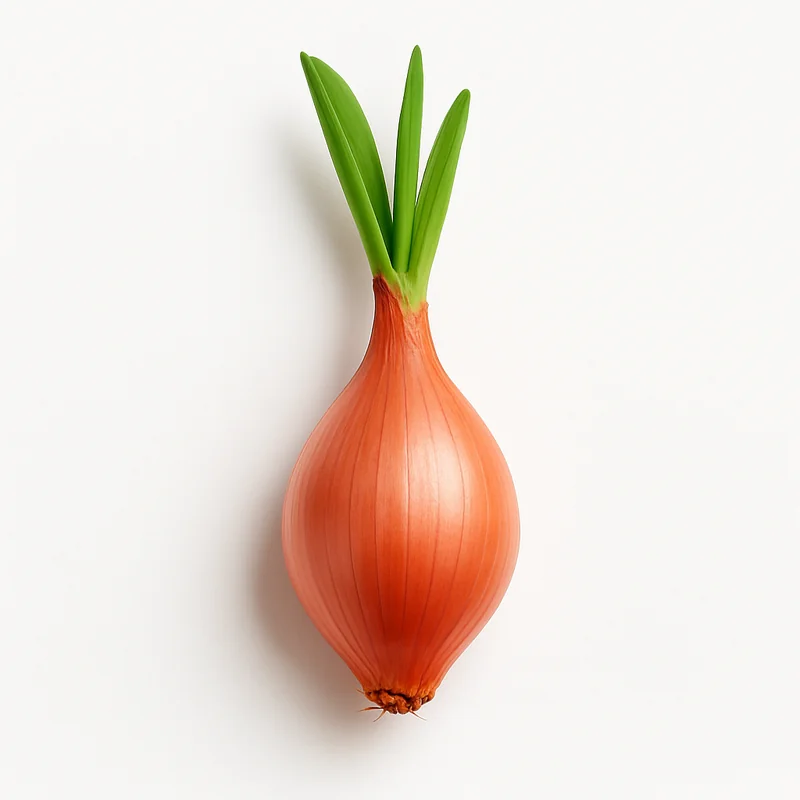
Shallot
ScoreA
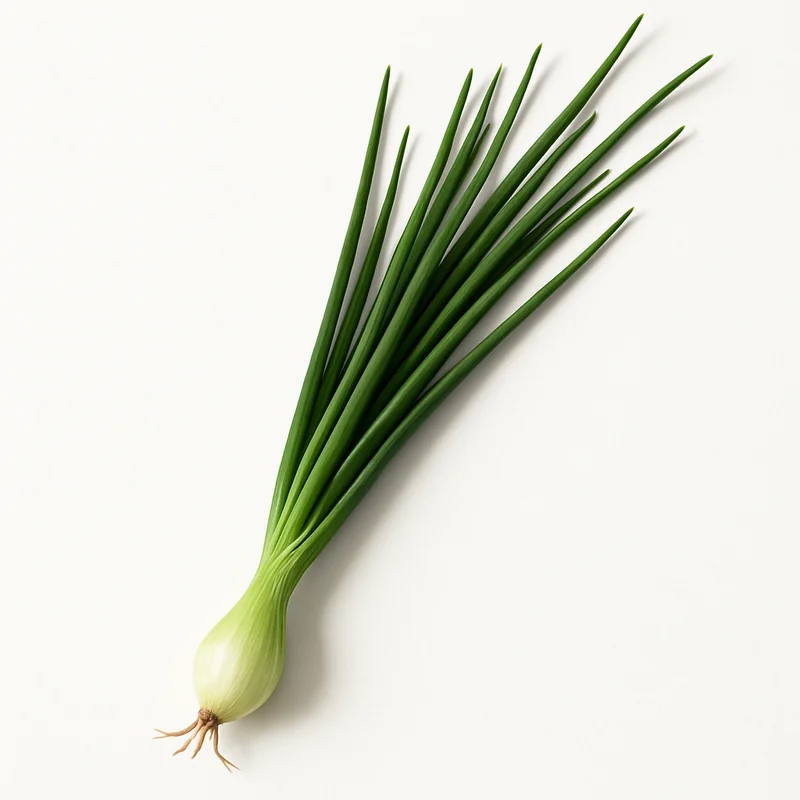
Shallots are small, elongated bulbs with a mild, sweet onion flavor and impressive sulfur-compound content. They provide fiber, potassium, and bioactive polyphenols in a low-calorie package.
Why Shallot scores 87
% Daily Value per ½ cup (85 g)
Nutrition
per 100 g
Health benefits
Reduced chronic inflammation and oxidative stress markers
moderate evidenceOrganosulfur compounds (diallyl disulfide) and quercetin inhibit NF-κB inflammatory pathways and scavenge free radicals, lowering systemic inflammation associated with aging and age-related diseases
Improved cardiovascular function and blood pressure regulation
moderate evidenceHigh potassium-to-sodium ratio supports vasodilation and sodium-potassium pump function; quercetin and sulfur compounds reduce arterial stiffness and improve endothelial function
Enhanced gut microbiota diversity and metabolic health
moderate evidenceInulin and fructooligosaccharides in shallots serve as prebiotic substrates, selectively feeding beneficial bacteria like Faecalibacterium and Roseburia species
Improved insulin sensitivity and glycemic control
moderate evidenceQuercetin modulates glucose transporters (GLUT4) and inhibits alpha-glucosidases; fiber slows gastric emptying and glucose absorption
Antimicrobial and antifungal activity
emerging evidenceDiallyl disulfide and allicin-related compounds disrupt microbial cell membranes and inhibit pathogenic biofilm formation
Pairs well with
- ·Pair with olive oil in vinaigrettes because fat-soluble polyphenols (quercetin) have enhanced absorption in lipid-rich matrices, and olive oil's polyphenols provide synergistic antioxidant effects
- ·Combine with leafy greens (spinach, kale) because shallots' vitamin C enhances non-heme iron bioavailability from greens via reduction to ferrous iron
- ·Pair with fatty fish (salmon, mackerel) because shallots' anti-inflammatory compounds work synergistically with omega-3 fatty acids to reduce eicosanoid-mediated inflammation
- ·Mix into fermented foods (sauerkraut, kimchi) because prebiotic fibers in shallots feed the beneficial bacteria produced during fermentation, amplifying probiotic colonization
Practical tips
- ·Best timing: Shallots can be consumed any time of day as a flavoring component or side vegetable. Raw shallots in salads maximize polyphenol intake; roasted shallots pair well with dinner proteins to enhance satiety and nutrient absorption.
- ·Consume shallots raw or lightly cooked (under 5 minutes) to preserve heat-sensitive quercetin; extended cooking can reduce polyphenol content by 30-40%
- ·Store shallots in cool, dark, well-ventilated conditions (50-60°F) to maintain dormancy and extend shelf life to 2-3 months; avoid plastic bags which trap ethylene gas
- ·Slice shallots 10-15 minutes before eating raw to allow enzyme-catalyzed formation of allicin and diallyl disulfide from their precursor compounds
- ·Roast whole shallots at 400°F for 20-25 minutes to caramelize natural sugars while maintaining sulfur compound stability better than frying or sautéing
- ·Choose shallots with papery, unblemished skin and firm flesh; soft spots indicate microbial degradation and reduced bioactive compound content
Related foods
What is Shallot actually covering?
See which nutrients your diet already delivers and which ones your supplements still need to — food and pills measured on the same scale.
Check my nutrients2 questions · free · no account needed to start
Also on iPhone — get the free app
Evidence-based supplement guides, no spam
We send a short digest when new guides drop — nothing else. No affiliate pushes, no sponsored content, unsubscribe anytime.