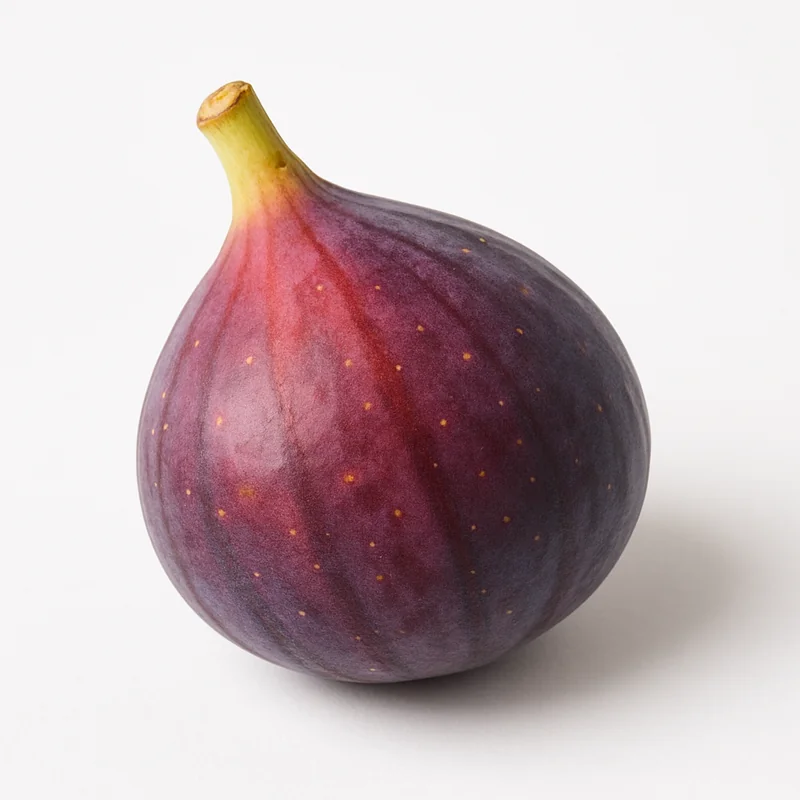
Fig
ScoreB
Figs are nutrient-dense fruits with a unique phytonutrient profile, providing natural sugars, fiber, and bioactive polyphenols that support metabolic health and longevity.
Why Fig scores 72
% Daily Value per 1 medium (140 g)
Nutrition
per 100 g
Health benefits
Improves gut microbiome diversity and prebiotic activity
moderate evidenceFig fiber, particularly inulin and oligofructose, serves as selective substrate for beneficial bacteria like Faecalibacterium and Akkermansia, strengthening intestinal barrier function
Reduces oxidative stress and systemic inflammation
moderate evidencePolyphenols including chlorogenic acid, caffeic acid, and quercetin neutralize reactive oxygen species and suppress NF-κB inflammatory signaling pathways
Supports cardiovascular health through potassium and fiber
strong evidencePotassium aids blood pressure regulation via natriuresis; soluble fiber reduces LDL cholesterol oxidation and supports endothelial function
Enhances bone mineral density and calcium utilization
emerging evidenceCombined calcium, magnesium, and phosphorus provide structural minerals; polyphenols may enhance osteoblast activity and reduce osteoclast-mediated bone resorption
Improves postprandial glucose control
moderate evidenceHigh fiber content slows gastric emptying and glucose absorption; polyphenols inhibit α-glucosidase enzymes, reducing glucose spike magnitude
Pairs well with
- ·Pair with almonds or walnuts: nuts' polyphenols (quercetin, catechins) synergize with fig polyphenols to enhance antioxidant capacity; fats improve lipophilic bioactive absorption
- ·Pair with Greek yogurt or kefir: probiotic cultures plus fig's prebiotic fiber create optimal conditions for microbiome colonization and SCFA production
- ·Pair with cinnamon or ginger: these spices contain polyphenols that additively reduce postprandial glucose elevation when consumed with figs' natural sugars
- ·Pair with dark leafy greens (spinach, kale): synergistic mineral profile (calcium, magnesium, vitamin K) supports bone metabolism and cardiovascular health
Practical tips
- ·Best timing: midday
- ·Consume figs with the skin intact: the peel contains 2-3× higher polyphenol concentration than flesh; thoroughly rinse fresh figs before eating
- ·Choose fresh figs over dried when possible for lower caloric density and better glucose stability; dried figs concentrate sugars (53 kcal/100g fresh vs 249 kcal/100g dried)
- ·Store fresh figs at room temperature for 1-2 days to maximize polyphenol content, or refrigerate up to 7 days; avoid freezing, which damages cell structure and reduces bioavailability
- ·Limit portion to 2-3 fresh figs (100-150g) per serving to avoid excess fructose intake; pair with protein or fat to stabilize blood glucose response
- ·Select figs that yield slightly to gentle pressure with a subtle honey aroma; discard any showing mold or fermentation smell, which indicates compromised polyphenol stability
Related foods




What is Fig actually covering?
See which nutrients your diet already delivers and which ones your supplements still need to — food and pills measured on the same scale.
Check my nutrients2 questions · free · no account needed to start
Also on iPhone — get the free app
Evidence-based supplement guides, no spam
We send a short digest when new guides drop — nothing else. No affiliate pushes, no sponsored content, unsubscribe anytime.