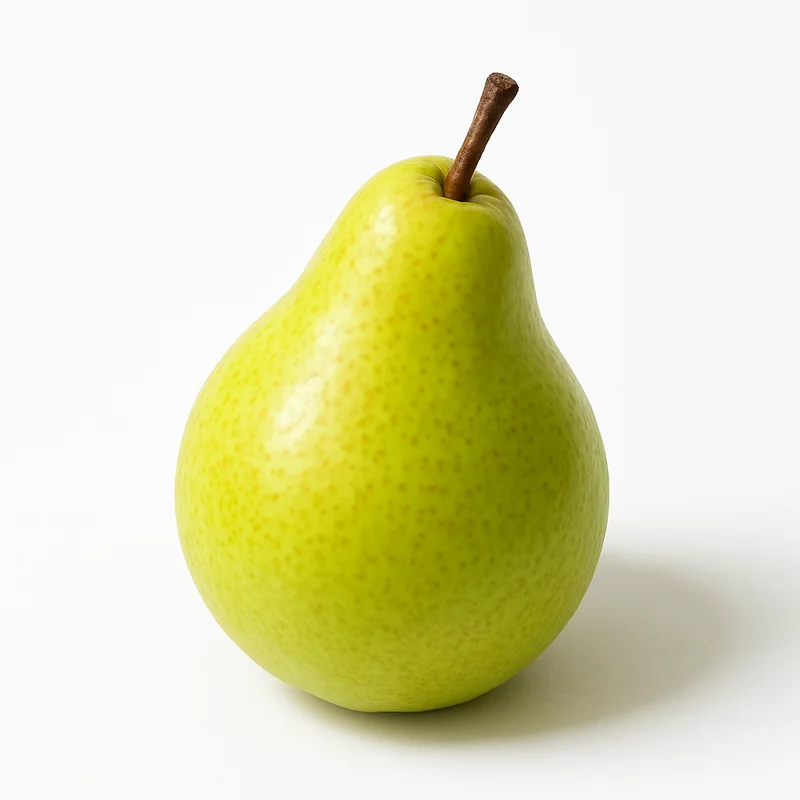
Pear
ScoreB
Pears are fiber-rich fruits with a mild, sweet flavor and high water content, providing digestive support and cardiovascular benefits with minimal caloric density.
Why Pear scores 73
% Daily Value per 1 medium (140 g)
Nutrition
per 100 g
Health benefits
Improved digestive health and bowel regularity
strong evidenceSoluble fiber (pectin) absorbs water in the colon, increasing stool bulk and feeding beneficial Bifidobacterium bacteria, enhancing gut barrier function
Reduced cardiovascular disease risk
strong evidenceSoluble fiber reduces LDL cholesterol absorption, while polyphenols and potassium support endothelial function and blood pressure regulation
Enhanced insulin sensitivity and metabolic control
moderate evidenceHigh fiber and sorbitol content slow glucose absorption, preventing insulin spikes and improving long-term glucose homeostasis
Anti-inflammatory and antioxidant support
moderate evidenceQuercetin and chlorogenic acid reduce systemic inflammation and oxidative stress by neutralizing free radicals and modulating immune response
Improved bone health
emerging evidenceCopper and phosphorus in pears support collagen synthesis and bone mineralization; phenolic compounds may reduce bone resorption
Pairs well with
- ·Pair with walnuts or almonds because the polyphenols in pears enhance the bioavailability of polyphenols in nuts, and healthy fats increase absorption of fat-soluble antioxidants
- ·Combine with dark chocolate because both contain polyphenols that synergistically reduce inflammation and improve endothelial function
- ·Pair with greek yogurt because the prebiotic sorbitol in pears feeds beneficial lactobacillus strains, enhancing probiotic effectiveness
- ·Combine with ginger because both support digestive motility; ginger reduces bloating sometimes associated with high-fiber foods
- ·Pair with cottage cheese because the protein slows gastric emptying, allowing more complete fiber hydration and sustained satiety
Practical tips
- ·Best timing: Pears' low glycemic impact and high fiber content make them suitable throughout the day. Consume as a mid-morning or afternoon snack to support sustained energy without disrupting circadian glucose rhythm, or with meals to enhance satiety and slow carbohydrate absorption.
- ·Leave skin on when eating pears; it contains 30-40% more polyphenols and fiber than flesh, significantly amplifying health benefits
- ·Select pears that yield slightly to gentle pressure at the neck; they ripen best at room temperature (68-72°F) and develop higher sugar content than refrigerated fruit
- ·Store ripe pears in the refrigerator to slow ethylene production and extend shelf life up to 5 days; unripe pears ripen fully in 2-4 days on the counter
- ·Consume one medium pear (about 178g) daily to meet 10% of daily fiber intake while maintaining manageable FODMAP load if sensitive to digestive upset
- ·Eat pears whole or minimally processed; juice removes fiber and concentrates natural sugars, reducing satiety benefits by up to 70%
Related foods


What is Pear actually covering?
See which nutrients your diet already delivers and which ones your supplements still need to — food and pills measured on the same scale.
Check my nutrients2 questions · free · no account needed to start
Also on iPhone — get the free app
Evidence-based supplement guides, no spam
We send a short digest when new guides drop — nothing else. No affiliate pushes, no sponsored content, unsubscribe anytime.