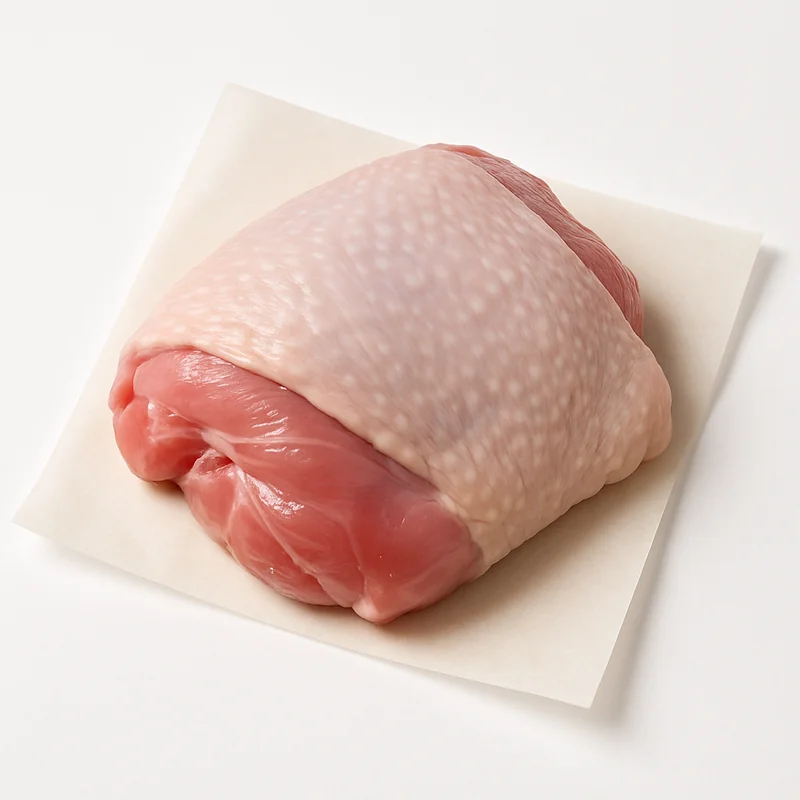
Turkey Thigh
ScoreA
Turkey thigh is a nutrient-dense poultry cut providing high-quality protein with significant selenium and zinc content, supporting muscle maintenance and immune function.
Why Turkey Thigh scores 78
% Daily Value per 3 oz (85 g)
Nutrition
per 100 g
Health benefits
Supports muscle mass maintenance and lean body composition with aging
strong evidenceHigh-quality complete protein (18.8g/100g) provides all essential amino acids needed for myoprotein synthesis and prevents age-related muscle loss (sarcopenia)
Enhances immune function and antioxidant defense
strong evidenceSelenium (27.9 mcg) and zinc (4.12 mg) are cofactors for selenoproteins and immune cell function, protecting against oxidative stress and supporting thyroid peroxidase activity
Promotes satiety and supports metabolic health
moderate evidenceHigh protein density with moderate fat creates sustained satiety, reducing overall calorie intake and supporting stable blood glucose through amino acid-mediated insulin responses
Supports sleep quality and mood regulation
moderate evidenceTurkey contains tryptophan, which converts to serotonin and melatonin, neurotransmitters critical for sleep-wake cycles and mood stability
Provides cardiovascular-supportive phosphorus and potassium
moderate evidencePhosphorus (171 mg) supports bone health, while potassium (241 mg) aids vascular function and blood pressure regulation through natriuretic balance
Pairs well with
- ·Pair with cruciferous vegetables (broccoli, Brussels sprouts) because sulfur compounds enhance selenium absorption and provide additional antioxidants synergistic with turkey's selenoproteins
- ·Combine with sweet potatoes because vitamin A in sweet potatoes enhances zinc absorption and supports immune cell differentiation in synergy with turkey's zinc content
- ·Serve with mushrooms (especially shiitake) because ergothioneine and β-glucans enhance immune function additively with turkey's zinc and selenium
- ·Pair with citrus (lemon, orange) because vitamin C enhances non-heme mineral absorption and prevents oxidative degradation of tryptophan during cooking
Practical tips
- ·Best timing: evening
- ·Choose pasture-raised or heritage turkey when possible, as these may have higher omega-3 content and superior nutrient density compared to conventionally raised birds
- ·Store turkey thigh at 32-40°F and use within 3-4 days of purchase; alternatively freeze at 0°F for up to 4 months to preserve selenium and nutrient bioavailability
- ·Slow-cook or braise turkey thigh to retain tryptophan and heat-sensitive B vitamins; minimize high-temperature cooking methods that may create advanced glycation end products
- ·Consume skin and meat together—the gelatin-rich collagen in skin provides glycine and proline supporting joint and gut health, complementing the protein profile
- ·Plan turkey thigh consumption 2-3 hours before bedtime to allow time for tryptophan conversion to melatonin, optimizing sleep onset without digestive distress
Related foods
What is Turkey Thigh actually covering?
See which nutrients your diet already delivers and which ones your supplements still need to — food and pills measured on the same scale.
Check my nutrients2 questions · free · no account needed to start
Also on iPhone — get the free app
Evidence-based supplement guides, no spam
We send a short digest when new guides drop — nothing else. No affiliate pushes, no sponsored content, unsubscribe anytime.