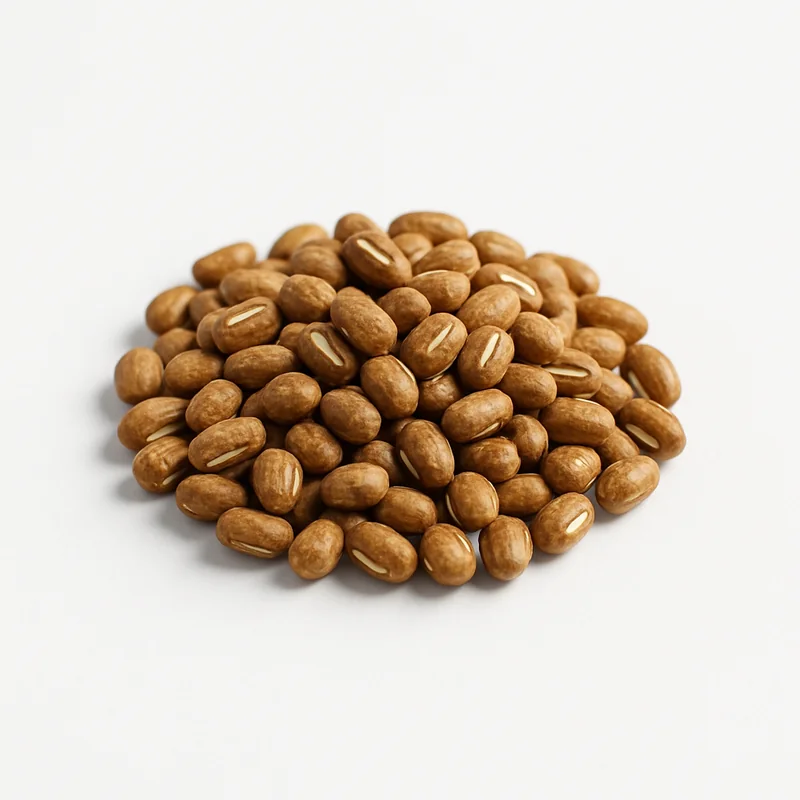
Mothbean
ScoreA
Mothbean is a drought-tolerant legume native to South Asia, delivering exceptional plant-based protein (23g/100g) and iron density while remaining low in sodium, making it ideal for plant-forward longevity diets.
Why Mothbean scores 81
% Daily Value per ½ cup (90 g)
Nutrition
per 100 g
Health benefits
Supports muscle maintenance and protein synthesis in aging
strong evidenceHigh leucine and total protein content triggers mTOR pathway and muscle protein synthesis, critical for preventing sarcopenia in older adults
Improves iron status and oxygen transport in plant-based diets
moderate evidenceIron (10.85mg/100g) and folate work synergistically to support hemoglobin formation and red blood cell production; high iron bioavailability enhanced by polyphenols
Supports cardiovascular health through blood pressure regulation
strong evidenceHigh potassium-to-sodium ratio (39:1) and magnesium content promote vasodilation and reduce arterial stiffness
Stabilizes blood glucose and reduces metabolic syndrome risk
moderate evidenceLow glycemic index and resistant starch slow glucose absorption, improving insulin sensitivity and reducing diabetes risk
Supports bone mineral density through mineral density and folate
moderate evidencePhosphorus, magnesium, and potassium mineralize bone; folate reduces homocysteine, a risk factor for bone loss
Pairs well with
- ·Pair with tomato-based curries because vitamin C (4mg in mothbean, plus tomato's 15mg/100g) significantly enhances non-heme iron absorption
- ·Combine with leafy greens (spinach, kale) because complementary minerals (magnesium, phosphorus) and folate enhance bioavailability of all three foods
- ·Cook with turmeric because curcumin's anti-inflammatory properties synergize with mothbean's polyphenols, enhancing antioxidant protection
- ·Pair with whole grains (millet, sorghum) because combined amino acid profiles create complete protein with optimal PDCAAS ratio for muscle synthesis
Practical tips
- ·Best timing: midday
- ·Soak dried mothbean for 8-12 hours before cooking to reduce phytic acid (an anti-nutrient) and improve mineral absorption by up to 30%
- ·Pressure cook for 15-20 minutes after soaking for optimal digestion; avoid long simmering, which degrades heat-sensitive folate
- ·Store dried mothbean in airtight containers in cool, dry conditions; shelf-stable for 12+ months, making it ideal for meal prep and emergency nutrition
- ·Sprout mothbean for 48-72 hours to increase folate bioavailability and activate enzyme inhibitors, creating a raw snack or salad topping
- ·Use mothbean flour (ground dried beans) in baking to boost protein and iron content of breads; mix 20-30% with whole wheat flour to maintain texture
Related foods
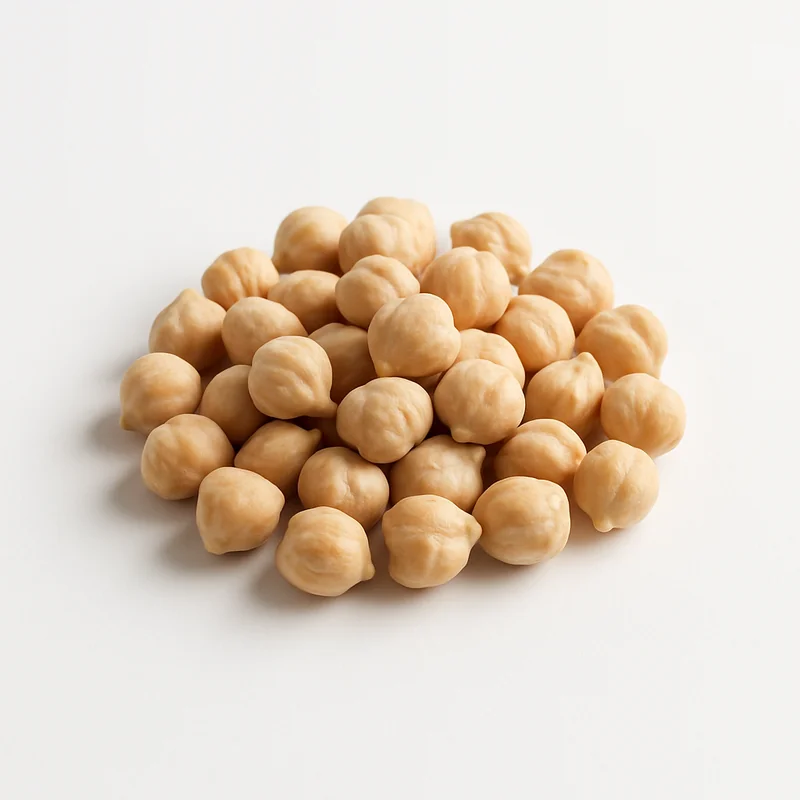
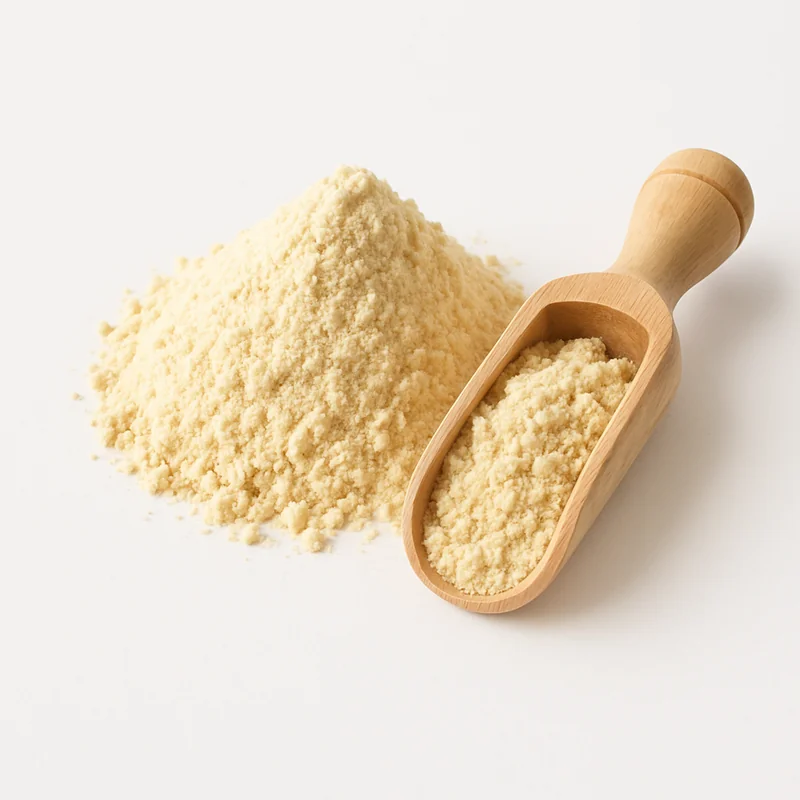
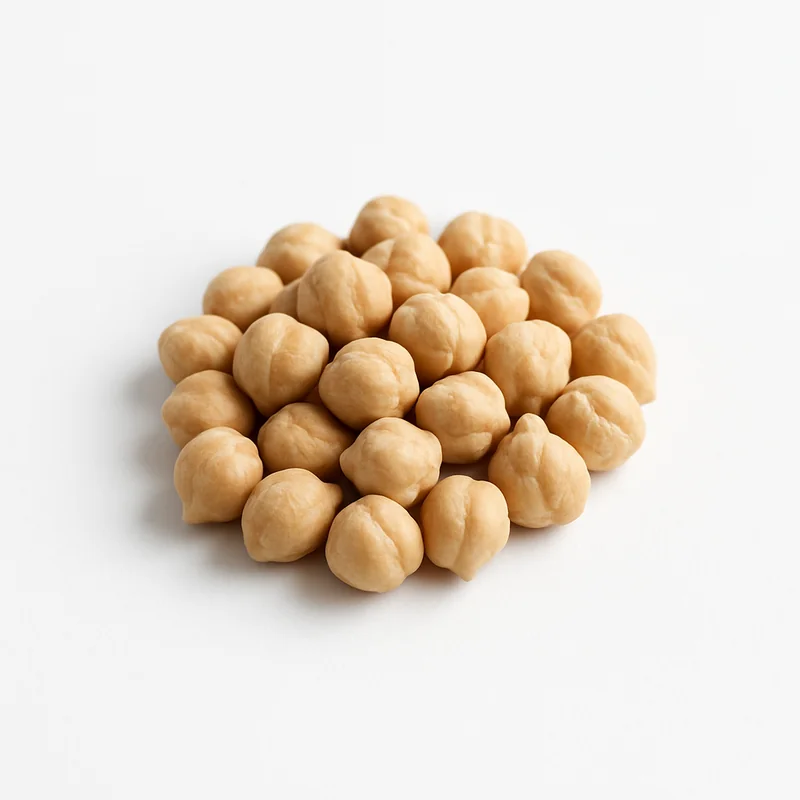
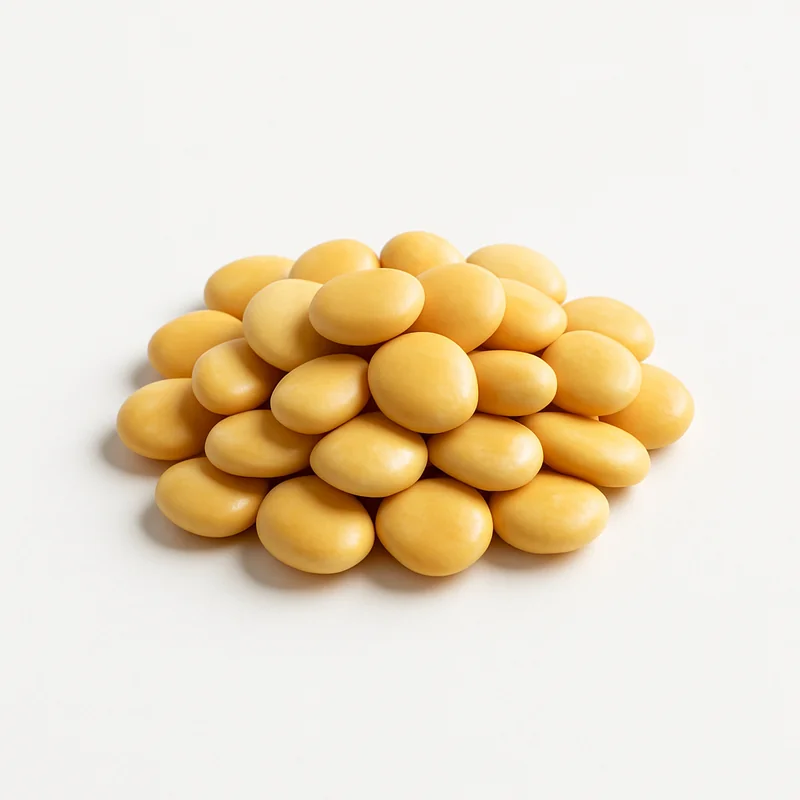
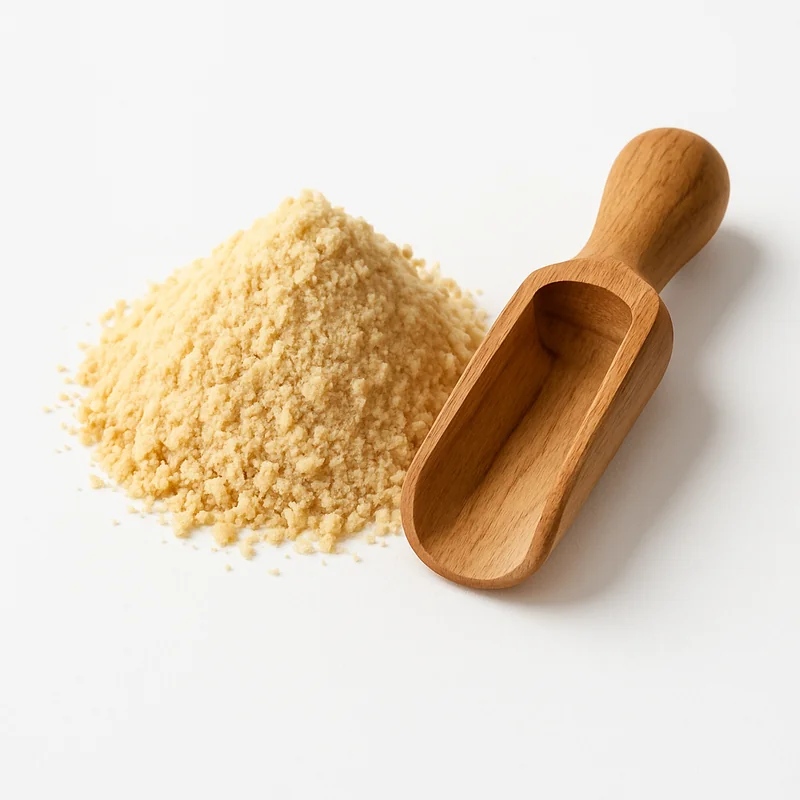
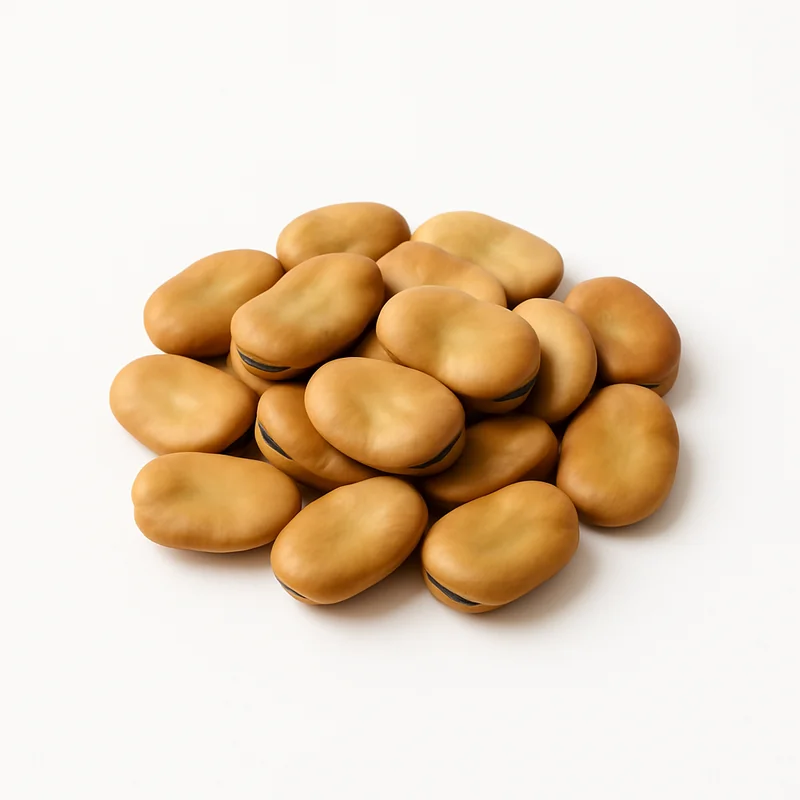
What is Mothbean actually covering?
See which nutrients your diet already delivers and which ones your supplements still need to — food and pills measured on the same scale.
Check my nutrients2 questions · free · no account needed to start
Also on iPhone — get the free app
Evidence-based supplement guides, no spam
We send a short digest when new guides drop — nothing else. No affiliate pushes, no sponsored content, unsubscribe anytime.