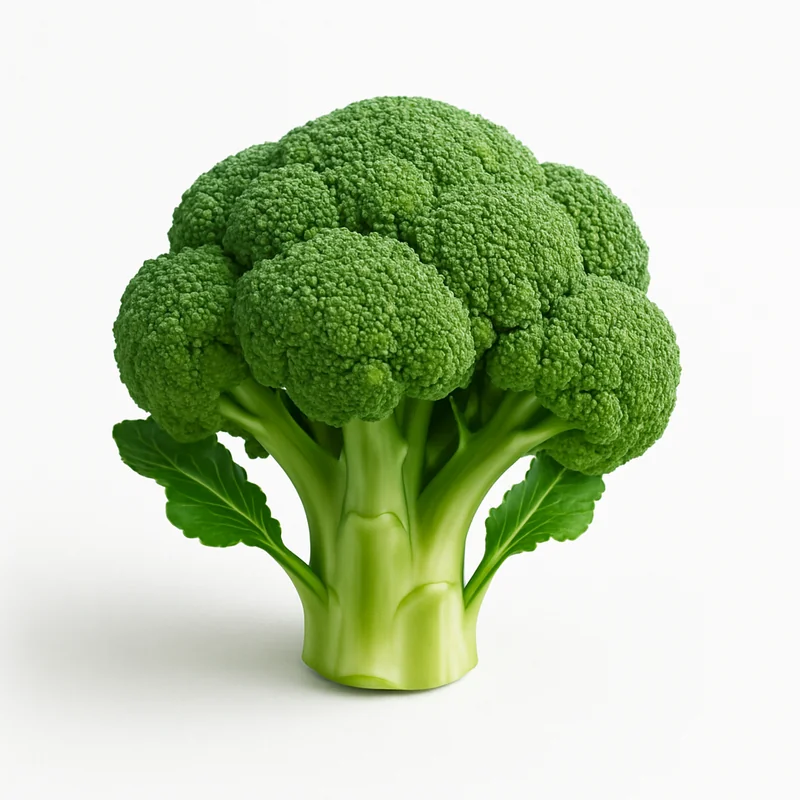
Vegetable
ScoreA+
A cruciferous vegetable rich in fiber, vitamins, and phytonutrients with minimal calories, supporting digestive health and cellular protection.
Why Vegetable scores 93
% Daily Value per ½ cup (85 g)
Nutrition
per 100 g
Health benefits
Reduced inflammation and oxidative stress via sulforaphane
strong evidenceSulforaphane activates Nrf2 pathway, upregulating cellular antioxidant defenses and reducing inflammatory cytokines
Enhanced bone health and cardiovascular support
strong evidenceVitamin K acts as a cofactor for bone-Gla protein and matrix Gla protein, improving bone mineralization and vascular calcification prevention
Improved digestive health and microbial diversity
moderate evidenceHigh fiber content serves as prebiotic substrate, promoting short-chain fatty acid production by beneficial bacteria
Potential cancer risk reduction
moderate evidenceGlucosinolates and sulforaphane induce phase II detoxification enzymes and promote apoptosis in precancerous cells
Cognitive support and liver detoxification
moderate evidenceCholine supports acetylcholine synthesis for neurotransmission; glucosinolates enhance hepatic Phase I and II detoxification pathways
Pairs well with
- ·Pair with healthy fats (olive oil, nuts, seeds) to enhance fat-soluble vitamin A and K absorption and increase bioavailability of lipophilic bioactives
- ·Combine with garlic or onions to potentiate anti-inflammatory effects through synergistic organosulfur compounds and enhance glucosinolate metabolism
- ·Pair with cruciferous vegetables (cauliflower, Brussels sprouts) to maximize glucosinolate and sulforaphane intake for cumulative detoxification benefits
- ·Serve with vitamin C sources (citrus, berries) to enhance iron bioavailability and reduce oxalate absorption interference
Practical tips
- ·Best timing: Broccoli's low glycemic load and fiber content make it suitable at any meal; morning consumption supports sustained satiety and energy stability; evening consumption aids satiety without sleep disruption due to minimal calories and no stimulants
- ·Steam broccoli for 3-5 minutes rather than boiling to preserve heat-sensitive glucosinolates and sulforaphane; avoid overcooking which destroys myrosinase enzyme needed for sulforaphane formation
- ·Consume raw or lightly cooked broccoli 1-2 times weekly; chewing raw florets activates myrosinase, maximizing sulforaphane bioavailability
- ·Store fresh broccoli in refrigerator at 32-41°F for up to 5 days; frozen broccoli (flash-frozen at peak ripeness) retains comparable nutrient density to fresh when stored properly
- ·Pair with mustard seed powder or horseradish to provide exogenous myrosinase, enhancing glucosinolate conversion when consuming cooked broccoli
- ·Include broccoli sprouts (3-day seedlings) which contain 20-50x higher sulforaphane concentration than mature florets per unit weight
Related foods
What is Vegetable actually covering?
See which nutrients your diet already delivers and which ones your supplements still need to — food and pills measured on the same scale.
Check my nutrients2 questions · free · no account needed to start
Also on iPhone — get the free app
Evidence-based supplement guides, no spam
We send a short digest when new guides drop — nothing else. No affiliate pushes, no sponsored content, unsubscribe anytime.