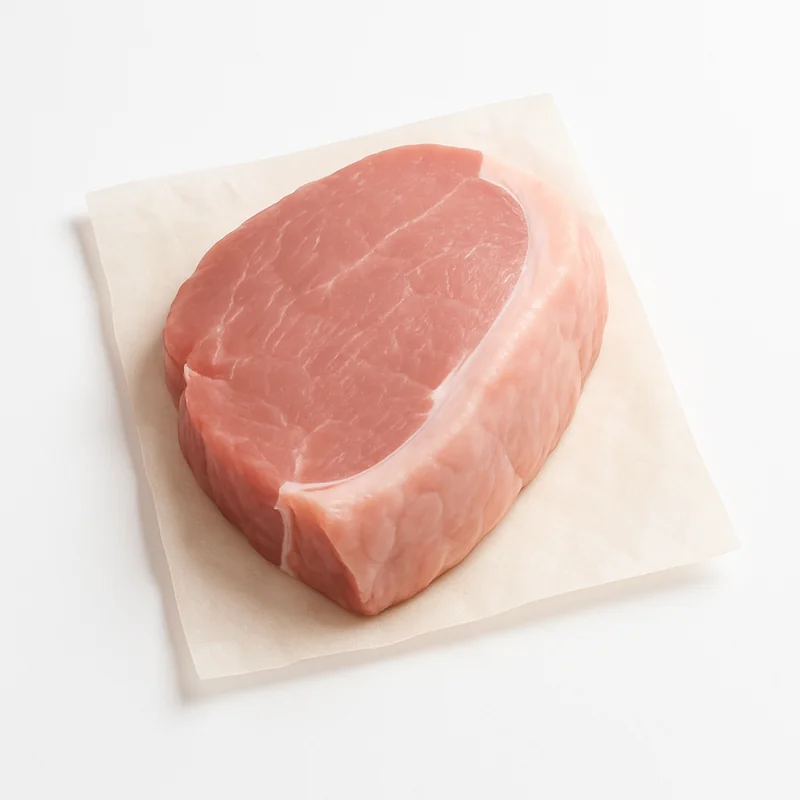
Pork
ScoreB
Pork is a nutrient-dense protein source rich in B vitamins, selenium, and choline, making it valuable for muscle maintenance and metabolic health.
Why Pork scores 71
% Daily Value per 3 oz (85 g)
Nutrition
per 100 g
Health benefits
Supports muscle protein synthesis and age-related muscle preservation
strong evidenceComplete protein with all 9 essential amino acids, particularly leucine, stimulates mTOR signaling and muscle fiber maintenance critical for preventing sarcopenia
Enhances cognitive function and neurological health
strong evidenceHigh choline content (67.2mg/100g) supports acetylcholine production, myelin formation, and phosphatidylcholine synthesis for brain cell membranes
Reduces cellular oxidative stress and supports antioxidant defenses
strong evidenceSelenium acts as a cofactor for glutathione peroxidase, a primary endogenous antioxidant enzyme protecting against age-related cellular damage
Supports metabolic energy production and mitochondrial function
strong evidenceNiacin (vitamin B3) is essential for NAD+ synthesis, fueling ATP production in mitochondria and supporting cellular energy metabolism
Promotes methylation capacity and one-carbon metabolism
moderate evidenceCholine serves as a methyl donor for epigenetic regulation, supporting DNA repair, gene expression, and detoxification pathways that decline with age
Pairs well with
- ·Pair with Brussels sprouts or kale because glucosinolates enhance phase 2 detoxification enzyme activation, complementing pork's choline-driven methylation support
- ·Combine with sweet potato because vitamin C enhances heme iron absorption from pork, critical for oxygen transport and mitochondrial cytochrome c oxidase
- ·Eat with garlic or onions because sulfur compounds support glutathione synthesis, amplifying the antioxidant benefits of pork's selenium
- ·Serve with mushrooms because ergothioneine and beta-glucans provide additional antioxidant and immune-modulating effects synergistic with pork's nutrient profile
Practical tips
- ·Best timing: post-workout
- ·Choose lean cuts (loin, tenderloin, sirloin) to minimize saturated fat while preserving micronutrient density; trim visible fat before cooking
- ·Cook at moderate temperatures (steaming, baking, poaching) rather than high-heat charring to minimize heterocyclic amine formation linked to inflammation
- ·Consume 3-4 oz (85-113g) portions 2-3 times weekly as part of varied protein rotation to optimize amino acid diversity and prevent excessive iron accumulation
- ·Store raw pork at 40°F or below and use within 3-4 days; freeze at 0°F for up to 6 months to preserve selenium bioavailability and prevent oxidation
- ·Marinate pork with acidic ingredients (lemon, vinegar) 30+ minutes before cooking to reduce potential carcinogen formation while enhancing mineral bioavailability
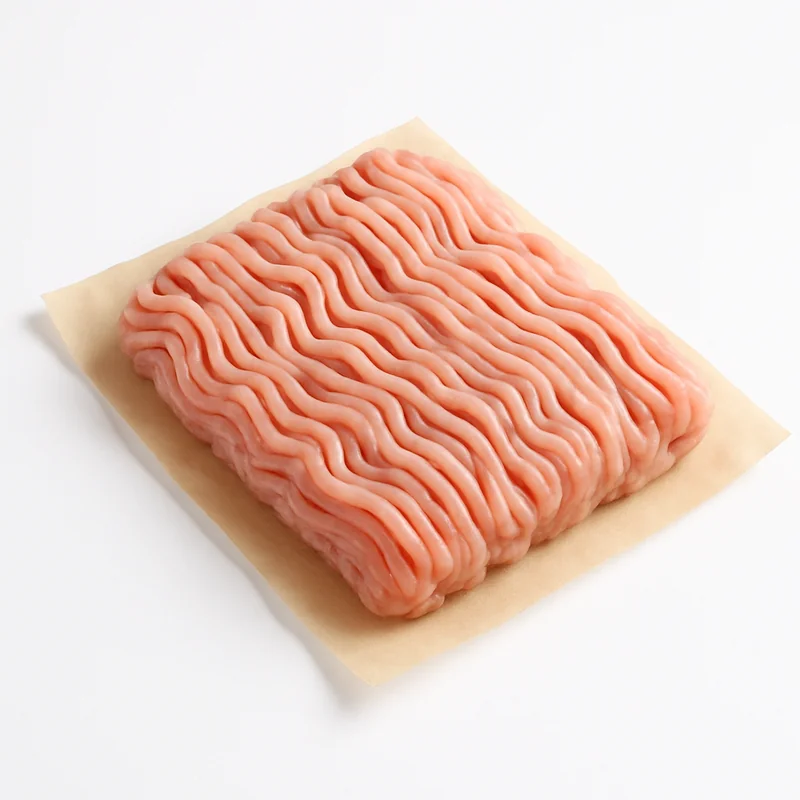
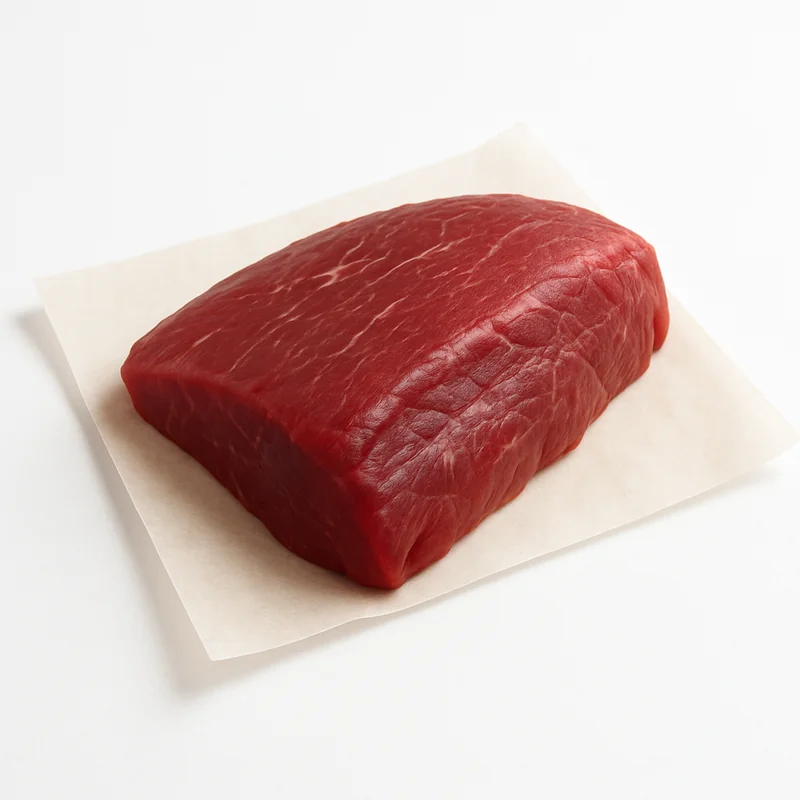
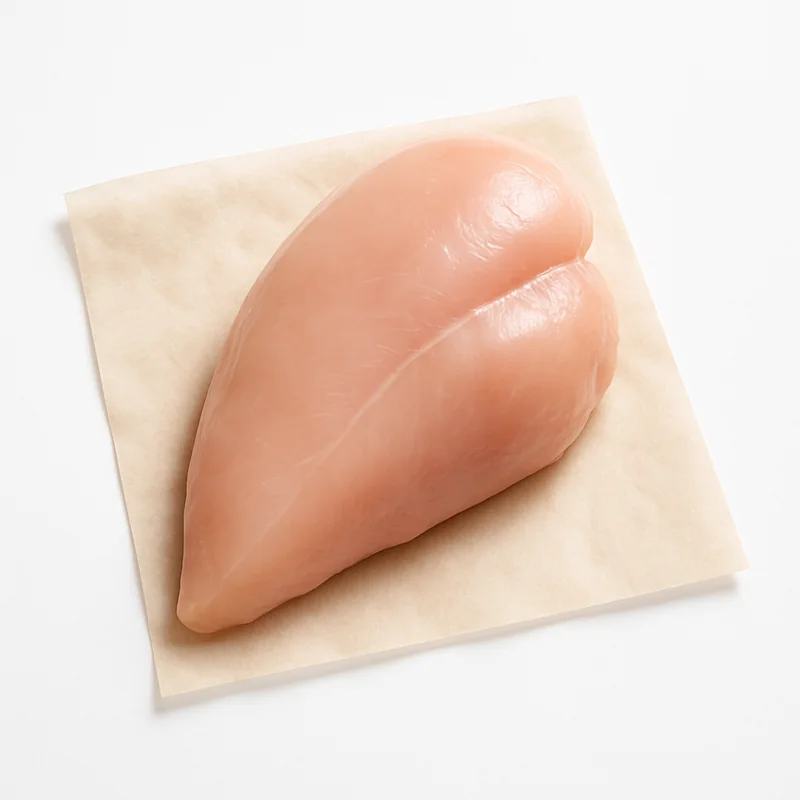
Related foods
What is Pork actually covering?
See which nutrients your diet already delivers and which ones your supplements still need to — food and pills measured on the same scale.
Check my nutrients2 questions · free · no account needed to start
Also on iPhone — get the free app
Evidence-based supplement guides, no spam
We send a short digest when new guides drop — nothing else. No affiliate pushes, no sponsored content, unsubscribe anytime.