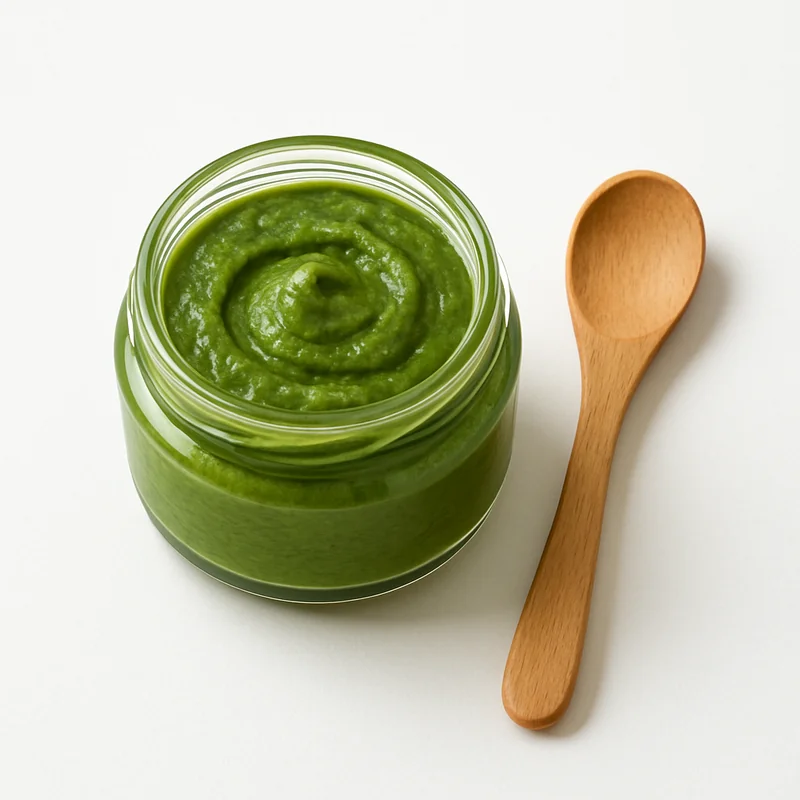
Butterbur
ScoreB
Butterbur is a low-calorie leafy vegetable rich in potassium and vitamin C, traditionally used in Asian cuisines and valued for its potential anti-inflammatory and allergy-modulating properties.
Why Butterbur scores 71
% Daily Value per ½ cup (85 g)
Nutrition
per 100 g
Health benefits
Supports cardiovascular health through potassium-rich mineral profile
strong evidenceHigh potassium content (655mg/100g) promotes vasodilation, reduces sodium-induced fluid retention, and supports healthy blood pressure regulation
Provides anti-inflammatory support via sesquiterpene compounds
moderate evidencePetasin and isopetasin in butterbur modulate inflammatory pathways, reducing systemic inflammation markers
Supports immune function through vitamin C content
strong evidence31.5mg vitamin C per 100g enhances white blood cell function and acts as an antioxidant to reduce oxidative stress
May help moderate allergic responses
moderate evidenceSesquiterpenes in butterbur inhibit leukotriene synthesis and mast cell degranulation, reducing histamine-mediated allergy symptoms
Supports bone health through mineral density
moderate evidenceCalcium and magnesium content contributes to bone mineral density; potassium helps prevent acid-induced bone resorption
Pairs well with
- ·Pair with fatty fish (salmon, mackerel) because fat-soluble vitamin absorption is enhanced, and omega-3s amplify anti-inflammatory effects of butterbur's sesquiterpenes
- ·Combine with citrus or bell peppers because additional vitamin C increases bioavailability of plant compounds and enhances iron absorption if butterbur is consumed with iron-containing foods
- ·Pair with miso or fermented foods because probiotics may enhance the bioavailability of butterbur's phytochemicals and support anti-inflammatory gut signaling
- ·Combine with allium vegetables (garlic, onions) because sulfur compounds in alliums synergize with butterbur's anti-inflammatory mechanisms for enhanced immune modulation
Practical tips
- ·Best timing: midday
- ·Select fresh, tender butterbur stalks with bright color and firm texture; avoid wilted or discolored specimens, which indicate nutrient loss and potential spoilage
- ·Blanch butterbur briefly (2-3 minutes) before cooking to reduce any bitter compounds and improve digestibility while preserving heat-sensitive vitamin C
- ·Store in refrigerator crisper drawer wrapped in damp paper towel for up to 5-7 days; freeze blanched portions for longer storage (up to 3 months) to maintain potassium and mineral content
- ·Prepare by peeling tough outer skin, then slice into 2-3cm pieces and sauté with minimal oil, add to miso soups, or steam to preserve bioactive sesquiterpenes that are heat-stable
- ·Consume 50-100g servings 3-4 times weekly as part of a varied vegetable intake to maintain consistent anti-inflammatory and cardiovascular benefits without excess
Related foods
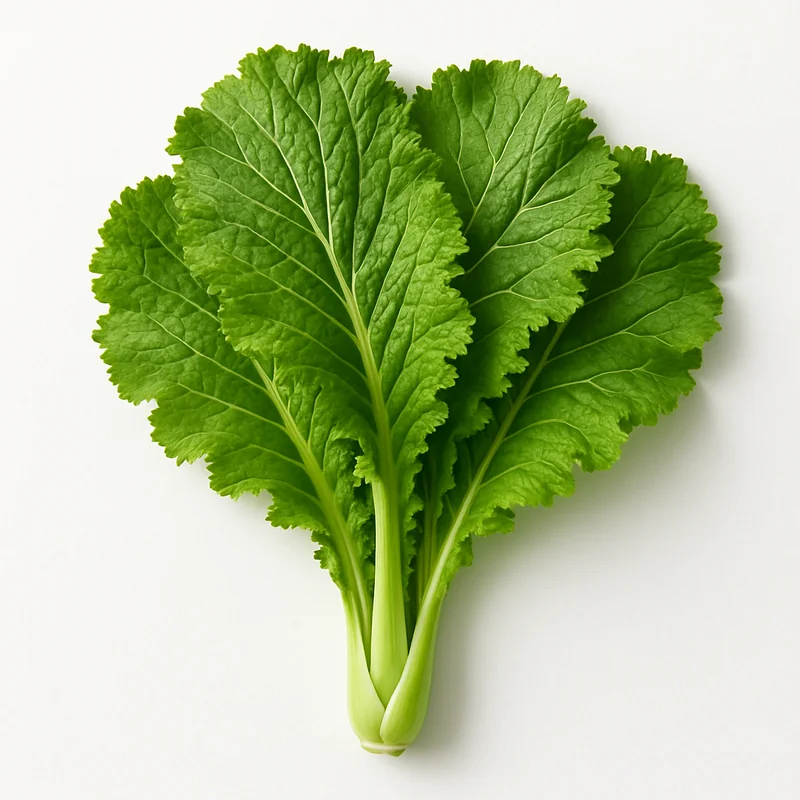
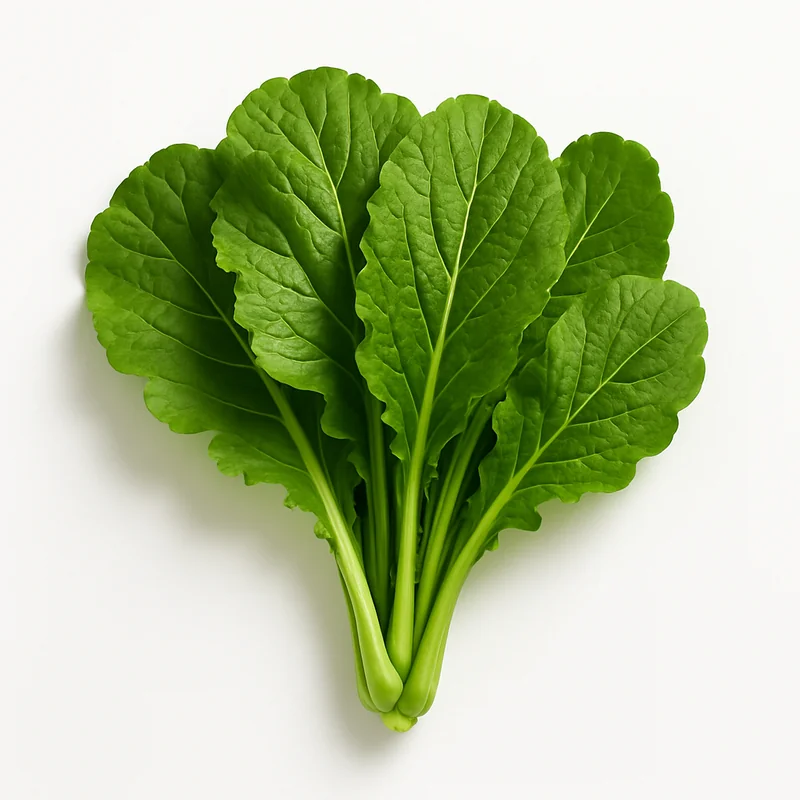
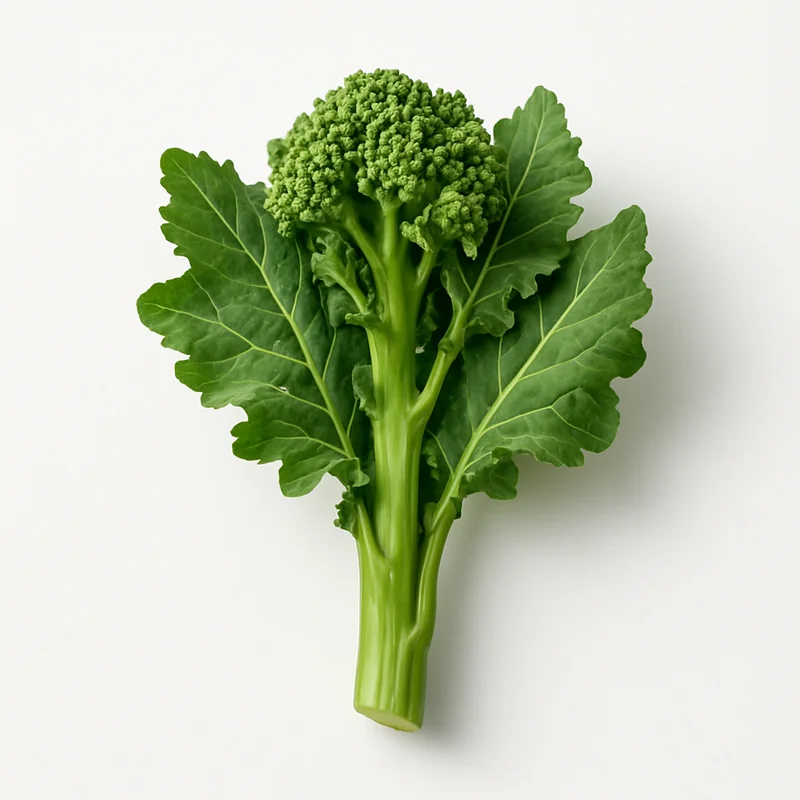
What is Butterbur actually covering?
See which nutrients your diet already delivers and which ones your supplements still need to — food and pills measured on the same scale.
Check my nutrients2 questions · free · no account needed to start
Also on iPhone — get the free app
Evidence-based supplement guides, no spam
We send a short digest when new guides drop — nothing else. No affiliate pushes, no sponsored content, unsubscribe anytime.