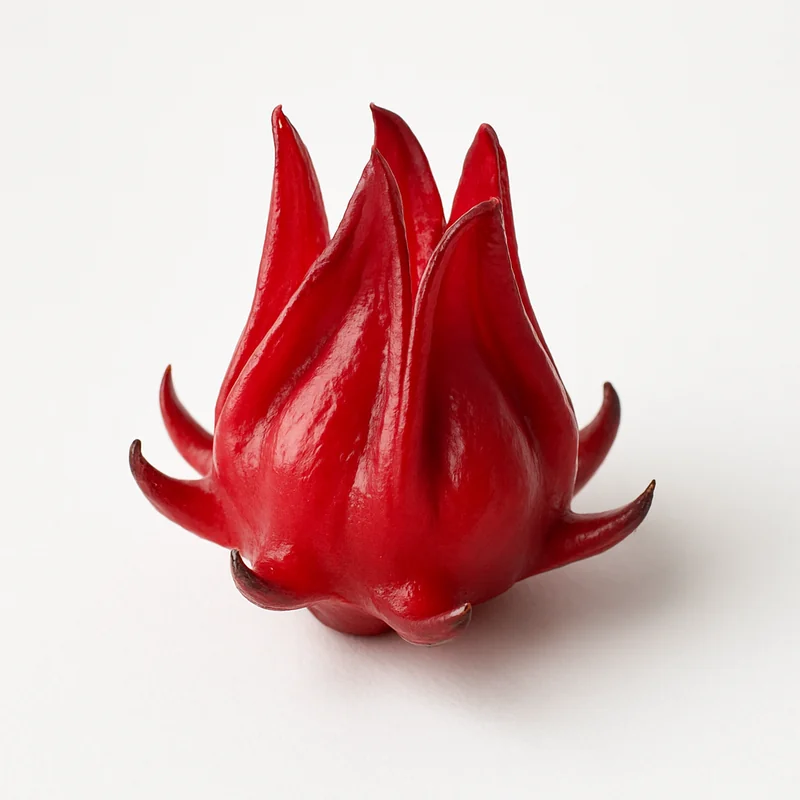
Roselle
ScoreA
Roselle is a tart, cranberry-like tropical fruit rich in vitamin C, calcium, and iron, traditionally used in beverages and jams throughout West Africa and Southeast Asia. Its low calorie density and high mineral content make it valuable for cardiovascular and bone health.
Why Roselle scores 82
% Daily Value per 1 medium (140 g)
Nutrition
per 100 g
Health benefits
Blood pressure regulation and cardiovascular support
moderate evidenceAnthocyanins and organic acids in roselle may improve endothelial function and reduce arterial stiffness, supporting healthy blood pressure levels
Bone mineral density maintenance
moderate evidenceHigh calcium content (215mg/100g) combined with magnesium and phosphorus supports bone formation and mineralization
Iron bioavailability and anemia prevention
moderate evidenceRoselle provides heme-independent iron alongside vitamin C, which enhances non-heme iron absorption in the intestinal tract
Antioxidant and anti-inflammatory protection
moderate evidencePolyphenols including anthocyanins and flavonoids neutralize free radicals and modulate inflammatory signaling pathways
Liver function support
emerging evidenceTraditional use and preliminary research suggest organic acids and polyphenols may support hepatic detoxification processes
Pairs well with
- ·Pair with black pepper or turmeric because piperine and curcumin enhance polyphenol bioavailability and absorption
- ·Combine with dark leafy greens (spinach, kale) because vitamin C in roselle significantly enhances non-heme iron absorption from greens
- ·Mix with seeds (pumpkin, sesame) because complementary mineral profiles support bone health synergistically
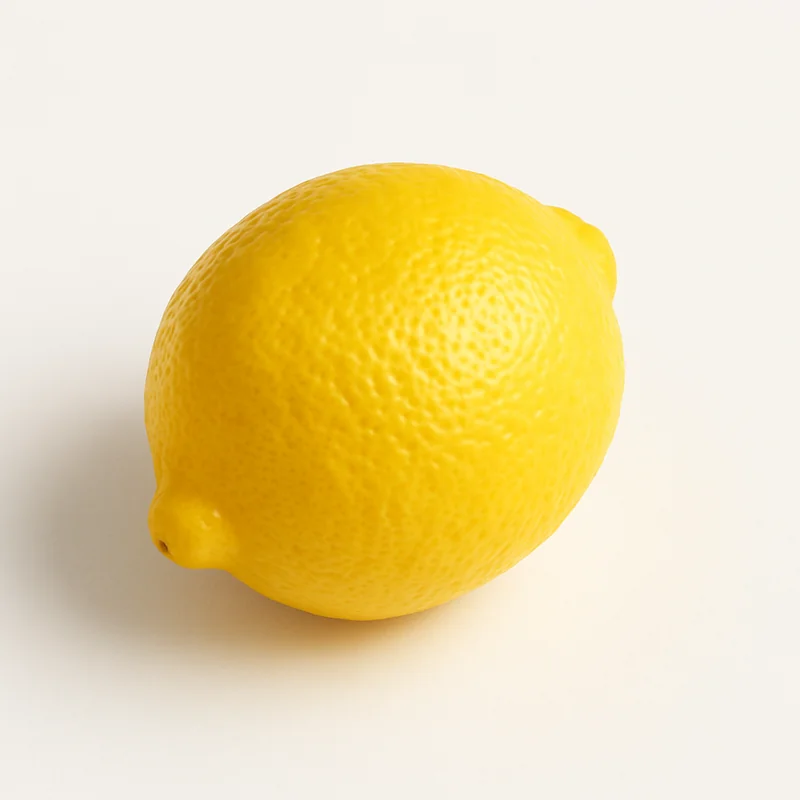
- ·Blend with citrus (lemon, lime) because additional citric acid further optimizes iron absorption and adds complementary polyphenols
Practical tips
- ·Best timing: midday
- ·Brew dried roselle calyces as tea for maximum extraction of water-soluble polyphenols; steep 5-10 minutes at 195-205°F
- ·Select bright red, unblemished calyces; store dried roselle in airtight containers away from direct light to preserve anthocyanin content
- ·Consume within 1-2 hours of preparation when fresh or freshly brewed to maximize vitamin C retention before oxidation occurs
- ·Add roselle to iron-rich meals rather than consuming alone; the vitamin C content optimizes iron absorption from other foods
Related foods
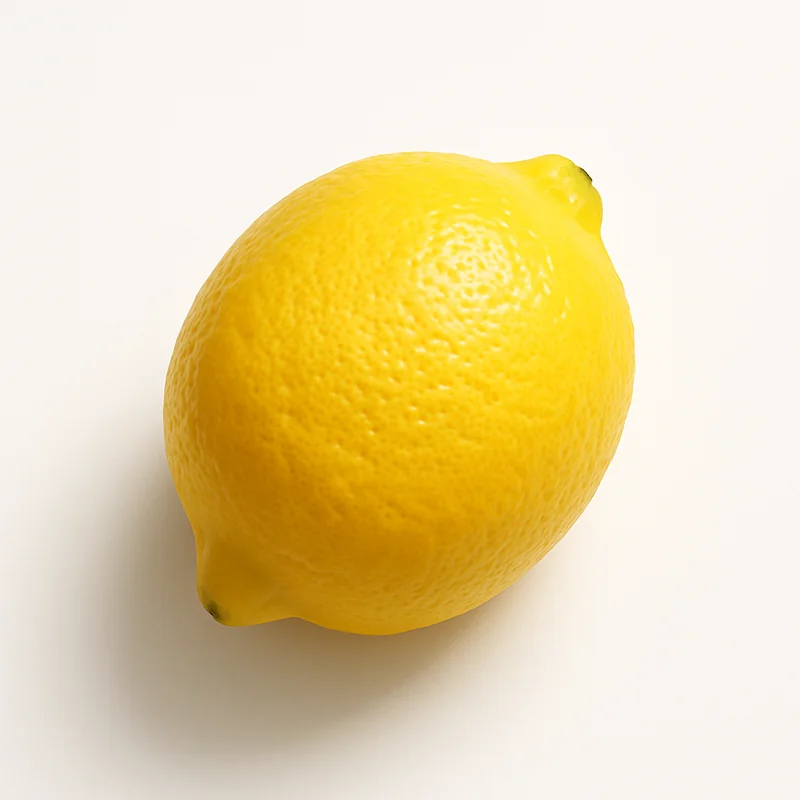
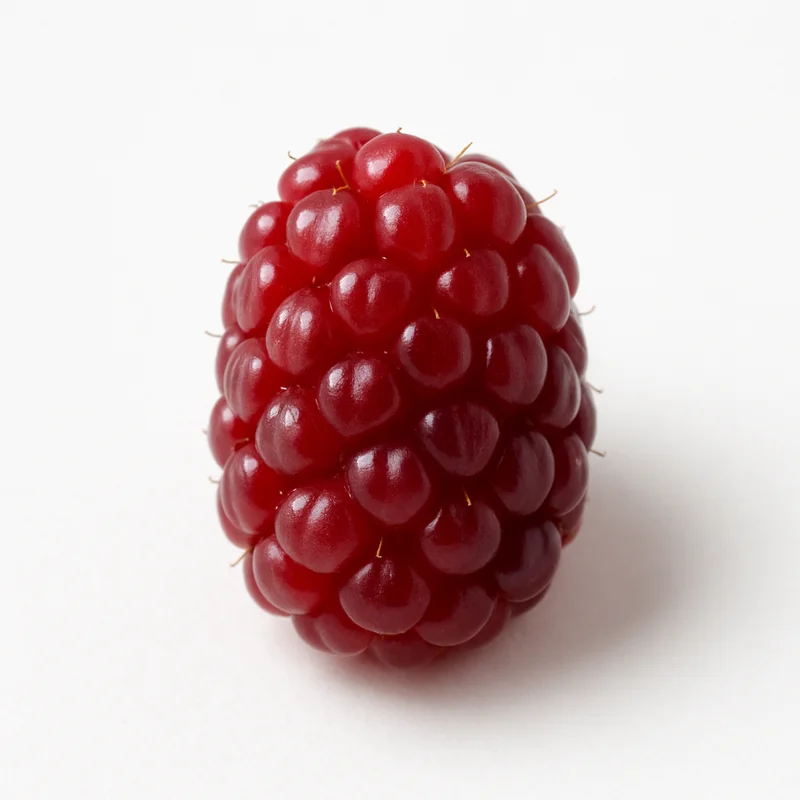
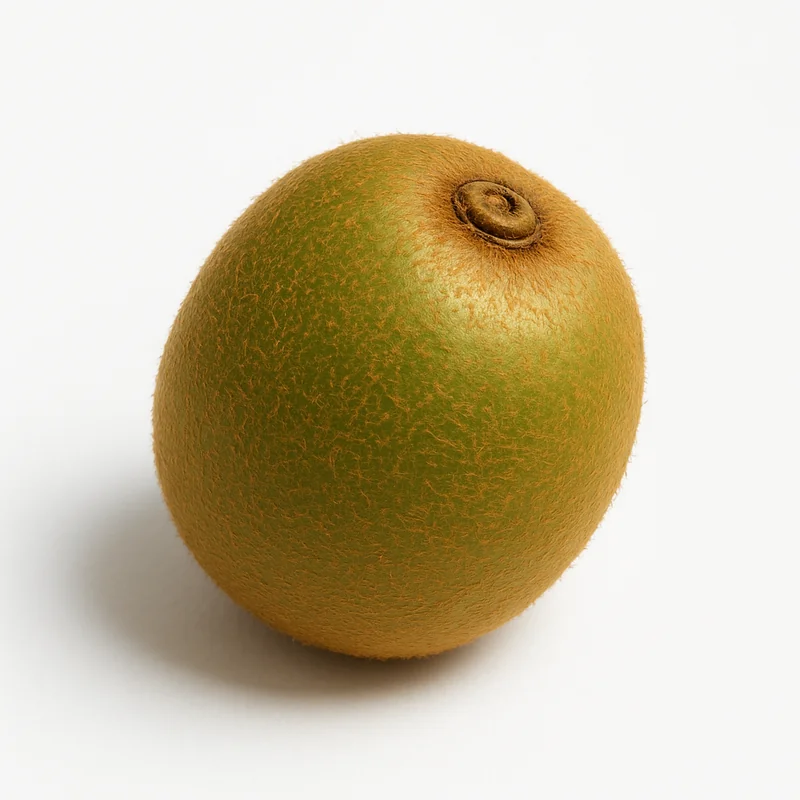
What is Roselle actually covering?
See which nutrients your diet already delivers and which ones your supplements still need to — food and pills measured on the same scale.
Check my nutrients2 questions · free · no account needed to start
Also on iPhone — get the free app
Evidence-based supplement guides, no spam
We send a short digest when new guides drop — nothing else. No affiliate pushes, no sponsored content, unsubscribe anytime.