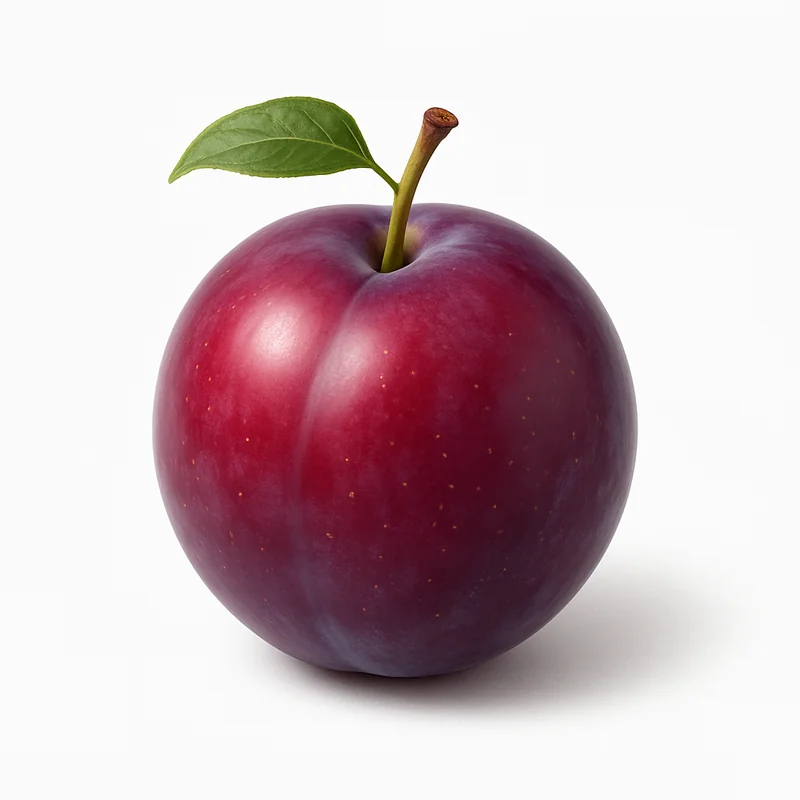
Plum
ScoreA
Plums are stone fruits rich in antioxidants, fiber, and potassium, offering natural sweetness with minimal calories and notable digestive and bone health benefits.
Why Plum scores 78
% Daily Value per 1 medium (140 g)
Nutrition
per 100 g
Health benefits
Supports digestive regularity and gut microbiota diversity
strong evidenceSorbitol and soluble fiber stimulate water retention in the colon and prebiotic polyphenols feed beneficial bacteria, promoting butyrate-producing microbes
Protects against oxidative stress and inflammation
moderate evidenceAnthocyanins, chlorogenic acid, and other phenolic compounds neutralize free radicals and suppress pro-inflammatory pathways
Supports bone health and mineral density
moderate evidenceVitamin K activates osteocalcin for bone mineralization; phenolics reduce bone resorption; potassium and magnesium support mineral homeostasis
Maintains cardiovascular and metabolic health
moderate evidencePotassium regulates sodium balance and vascular tone; phenolics improve endothelial function and lipid profiles; low glycemic load prevents insulin dysregulation
Enhances satiety and supports weight management
emerging evidenceFiber increases gastric distension and slows gastric emptying; low calorie density allows larger portions for fewer calories
Pairs well with
- ·Pair with almonds because the vitamin E and lipophilic compounds in almonds enhance absorption of fat-soluble polyphenols from plums
- ·Pair with Greek yogurt because calcium and probiotics work synergistically with plum fiber to optimize gut microbiota composition and bone health
- ·Pair with leafy greens like spinach because both are rich in vitamin K, creating an additive effect on bone mineralization and vascular health
- ·Pair with ginger or turmeric because these spices amplify plum's anti-inflammatory phenolics through complementary polyphenol and gingerol mechanisms
Practical tips
- ·Best timing: Plums have low glycemic impact and modest glucose content, making them suitable throughout the day. Morning consumption leverages prebiotic fiber for microbiota benefits; post-workout offers carbohydrates for glycogen repletion with antioxidant support.
- ·Select plums with slight give when gently squeezed—they should yield to pressure but not be mushy. Avoid rock-hard or overly soft fruit
- ·Store ripe plums in the refrigerator (32-40°F) for up to 2 weeks to slow ripening and preserve antioxidant content; bring to room temperature 30 minutes before eating for optimal flavor
- ·Consume skin-on whenever possible—the majority of anthocyanins and phenolic compounds are concentrated in or near the skin
- ·For constipation relief, consume 2-3 fresh plums or a small handful of dried plums (prunes) with adequate water; sorbitol works best with hydration
- ·Pair plum consumption with vitamin C sources (citrus, bell peppers) to enhance non-heme iron absorption if eating alongside plant-based proteins
Related foods



What is Plum actually covering?
See which nutrients your diet already delivers and which ones your supplements still need to — food and pills measured on the same scale.
Check my nutrients2 questions · free · no account needed to start
Also on iPhone — get the free app
Evidence-based supplement guides, no spam
We send a short digest when new guides drop — nothing else. No affiliate pushes, no sponsored content, unsubscribe anytime.