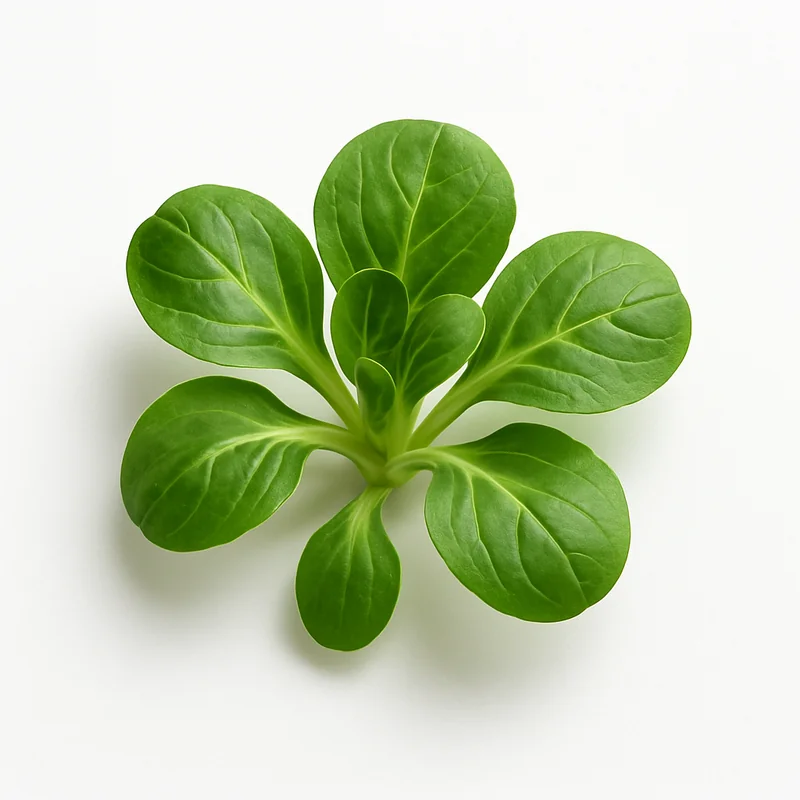
Cornsalad
ScoreA
Cornsalad (mâche) is a delicate leafy green vegetable with exceptionally high iron content and significant potassium levels, providing cardiovascular and oxygen-transport support with minimal calories.
Why Cornsalad scores 76
% Daily Value per ½ cup (85 g)
Nutrition
per 100 g
Health benefits
Enhanced oxygen transport and iron status
strong evidenceIron content (2.18 mg/100g) supports hemoglobin synthesis and mitochondrial cytochrome oxidase function, improving cellular oxygen utilization and aerobic capacity
Blood pressure regulation and cardiovascular protection
strong evidenceHigh potassium-to-sodium ratio (459:4) supports endothelial function and reduces arterial stiffness through potassium's role in vascular smooth muscle relaxation
Immune and connective tissue support
strong evidenceVitamin C (38.2 mg/100g) acts as a cofactor for collagen cross-linking and promotes neutrophil function, supporting skin integrity and infection resistance
Cellular detoxification and antioxidant defense
moderate evidenceSelenium (0.9 mcg/100g) is essential for glutathione peroxidase synthesis, a critical antioxidant enzyme protecting cells from oxidative stress and supporting thyroid health
Bone and metabolic health
moderate evidenceMagnesium (13 mg/100g) and phosphorus (53 mg/100g) support bone mineral density and ATP synthesis for metabolic efficiency
Pairs well with
- ·Pair with olive oil because fat-soluble vitamin A (355 IU) requires dietary lipids for optimal absorption and transport to tissues
- ·Combine with citrus (lemon, orange) because vitamin C enhances non-heme iron bioavailability through formation of soluble iron complexes in the acidic stomach environment
- ·Serve with grass-fed beef or oysters because animal-based heme iron and additional zinc improve total dietary iron status when consumed together
- ·Mix with beet greens because complementary mineral profiles (calcium, magnesium, potassium) create synergistic cardiovascular support
Practical tips
- ·Best timing: As a raw leafy green with no anti-nutrients or digestive inhibitors, cornsalad is optimal for any meal or eating window. Consumed with meals containing fat improves vitamin A absorption; pairing with vitamin C sources at same meal enhances iron bioavailability.
- ·Consume raw in salads to preserve heat-sensitive vitamin C and maximize nutrient density; light wilting acceptable but avoid cooking which reduces micronutrient concentration
- ·Store in sealed refrigerator bags with damp paper towels to maintain turgor and prevent dehydration; use within 4-5 days for optimal nutrient retention
- ·Select bright green bunches with tender, unblemished leaves; avoid yellowing or slimy texture indicating microbial degradation
- ·Wash thoroughly under cool running water before consumption as leafy greens can harbor soil bacteria; use 1:3 white vinegar rinse if concerned about pathogens
Related foods
What is Cornsalad actually covering?
See which nutrients your diet already delivers and which ones your supplements still need to — food and pills measured on the same scale.
Check my nutrients2 questions · free · no account needed to start
Also on iPhone — get the free app
Evidence-based supplement guides, no spam
We send a short digest when new guides drop — nothing else. No affiliate pushes, no sponsored content, unsubscribe anytime.