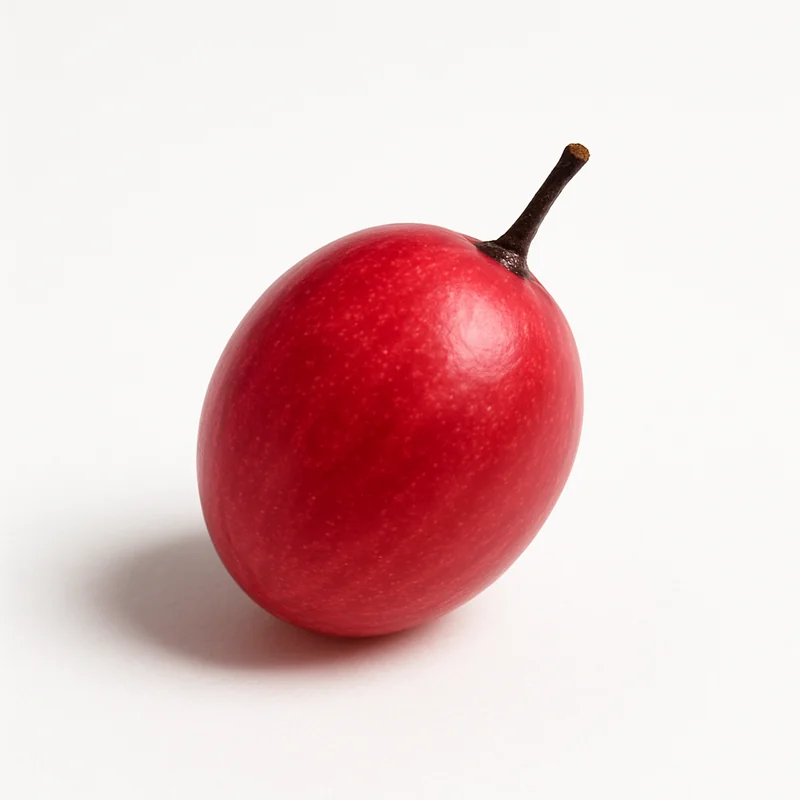
Carissa
ScoreA
Carissa is a small, tart tropical fruit rich in vitamin C and potassium, offering antioxidant support with minimal calories. Native to southern Africa, this nutrient-dense fruit supports immune function and cardiovascular health.
Why Carissa scores 81
% Daily Value per 1 medium (140 g)
Nutrition
per 100 g
Health benefits
Immune system support through high vitamin C content
strong evidenceVitamin C (38 mg per 100g) functions as a cofactor for immune cell differentiation and collagen synthesis, enhancing barrier function and pathogen defense
Cardiovascular health maintenance via potassium and polyphenols
moderate evidenceHigh potassium (260 mg) supports vasodilation and blood pressure regulation; anthocyanins reduce inflammation and improve endothelial function
Antioxidant protection against age-related cellular damage
moderate evidencePolyphenolic compounds including flavonoids and anthocyanins neutralize reactive oxygen species and reduce oxidative stress burden
Iron bioavailability enhancement for oxygen transport
strong evidenceCarissa's iron content (1.31 mg) combined with vitamin C increases non-heme iron absorption efficiency for hemoglobin synthesis
Bone mineral density support through copper and mineral profile
moderate evidenceCopper (0.21 mg) is essential for cross-linking collagen and elastin; combined with calcium and magnesium, supports skeletal integrity
Pairs well with
- ·Pair with leafy greens (spinach, kale) because the high vitamin C enhances non-heme iron absorption from plant-based sources
- ·Combine with nuts or seeds because their fat content improves absorption of fat-soluble polyphenol compounds
- ·Mix with citrus fruits (lemon, orange) to amplify total antioxidant capacity and create synergistic vitamin C effects
- ·Pair with whole grains because carissa's potassium balances mineral ratios for optimal nervous system function
Practical tips
- ·Best timing: midday
- ·Select carissa fruits that are firm and deep red; soft or pale fruits indicate under-ripeness or decay
- ·Store at room temperature until ripe (indicated by slight softness), then refrigerate for up to 5 days in a breathable container
- ·Consume whole fruit when possible to capture potential fiber benefits; the tart flavor pairs well with yogurt or cottage cheese for enhanced protein intake
- ·Source carissa from specialty tropical fruit suppliers or farmers markets; availability is limited in conventional supermarkets in most Western regions
- ·Use carissa juice as a tangy vinaigrette base or smoothie ingredient; its tartness reduces need for added sugars compared to sweeter fruits
Related foods
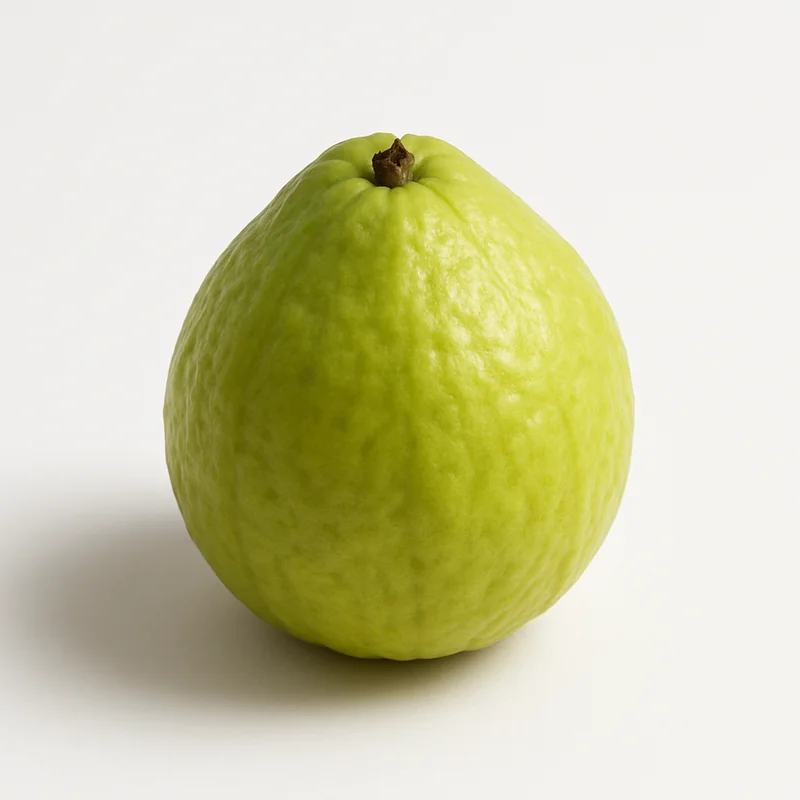
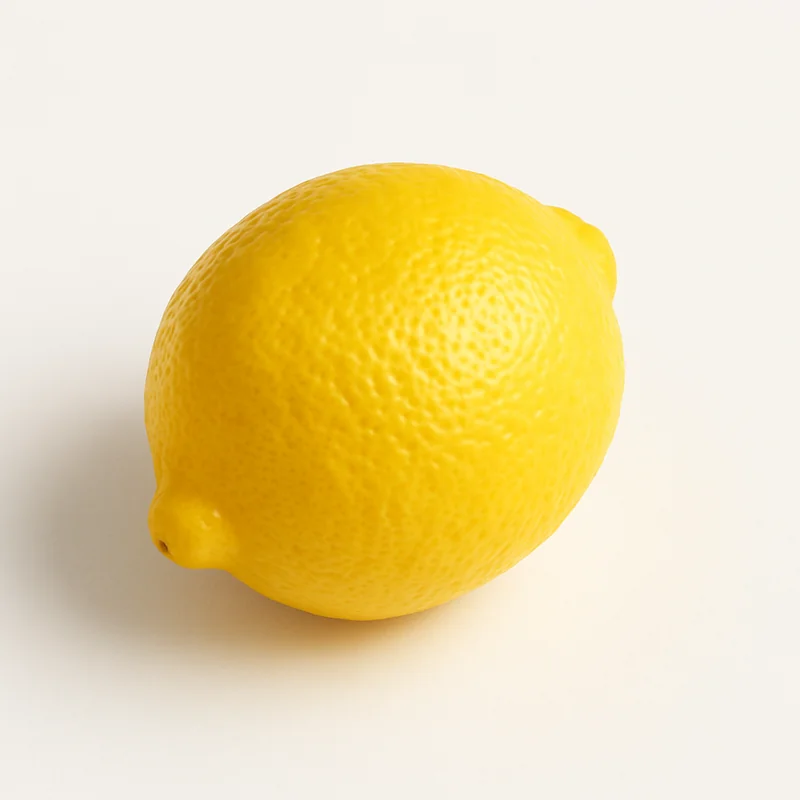
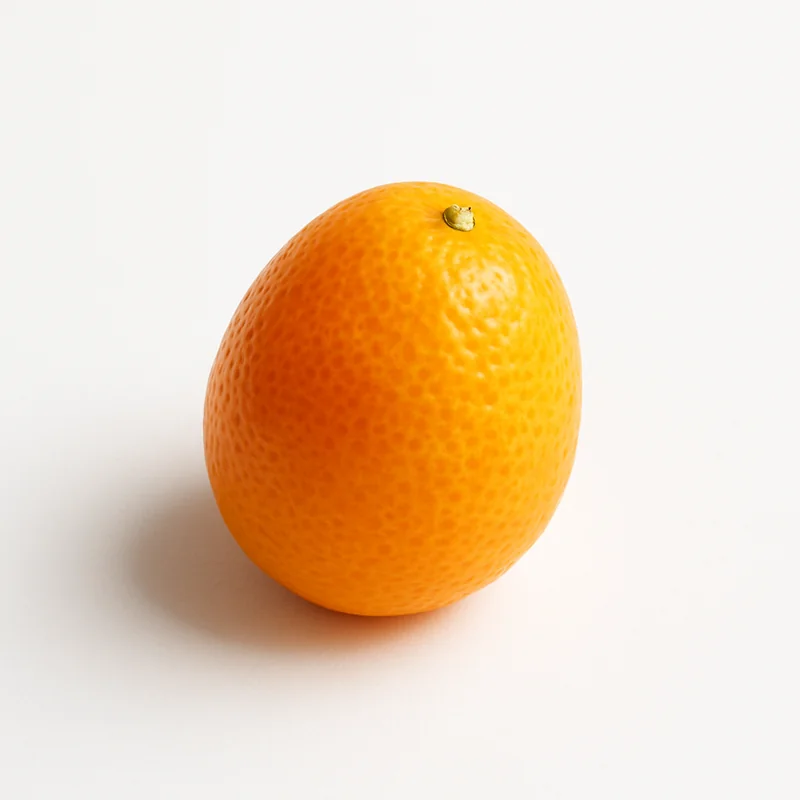
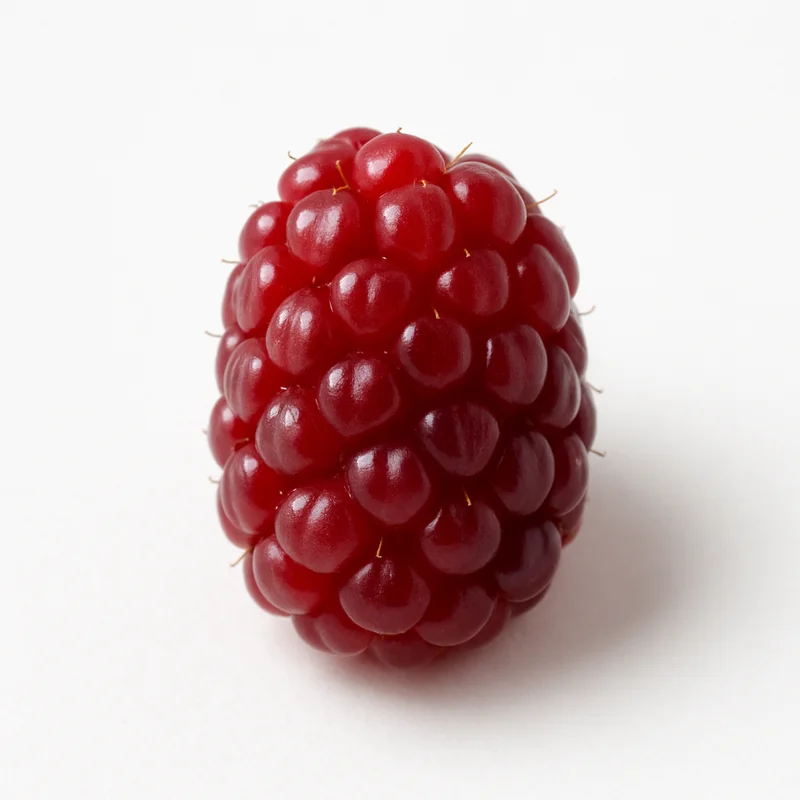
What is Carissa actually covering?
See which nutrients your diet already delivers and which ones your supplements still need to — food and pills measured on the same scale.
Check my nutrients2 questions · free · no account needed to start
Also on iPhone — get the free app
Evidence-based supplement guides, no spam
We send a short digest when new guides drop — nothing else. No affiliate pushes, no sponsored content, unsubscribe anytime.