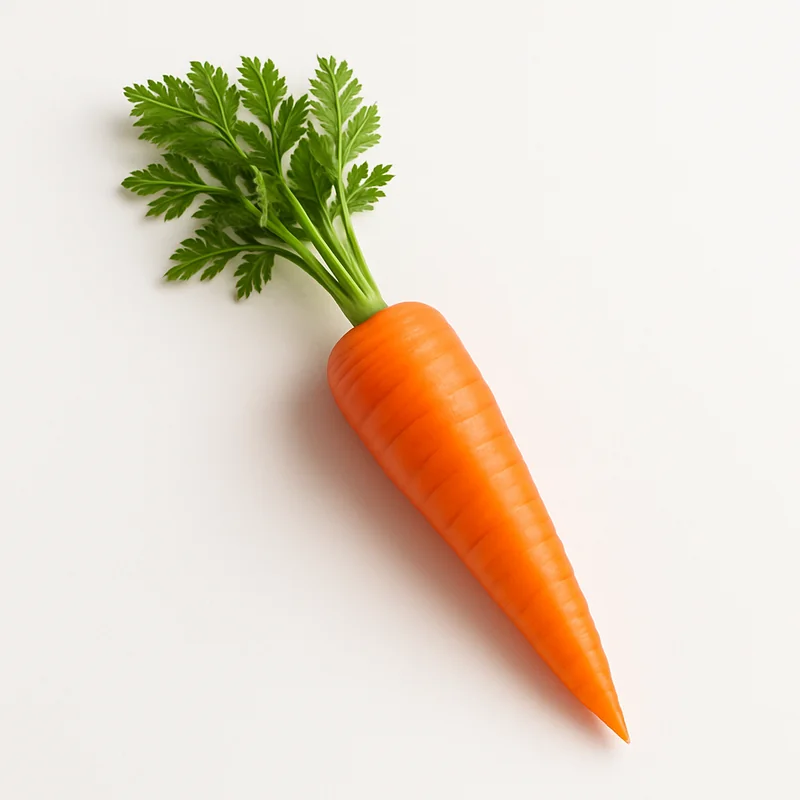
Carrots
ScoreA+
Carrots are a root vegetable exceptionally rich in beta-carotene (provitamin A) and fiber, providing only 41 calories per 100g while delivering significant micronutrients essential for eye health and metabolic function.
Why Carrots scores 91
% Daily Value per ½ cup (85 g)
Nutrition
per 100 g
Health benefits
Enhanced vision and eye health through reduced macular degeneration risk
strong evidenceBeta-carotene converts to retinol, supporting retinal function and protecting photoreceptor cells from oxidative damage. Lutein present in carrots also accumulates in the macula.
Improved cardiovascular health and reduced atherosclerosis risk
strong evidencePotassium regulates blood pressure; fiber reduces LDL cholesterol; carotenoids and polyphenols reduce arterial inflammation and oxidative stress.
Enhanced gut microbiota diversity and metabolic health
moderate evidenceInsoluble and soluble fiber (particularly pectin) serve as prebiotic substrates, promoting beneficial bacterial growth and short-chain fatty acid production.
Reduced cancer risk, particularly for lung and prostate cancers
moderate evidenceBeta-carotene and polyacetylene compounds (falcarinol) exhibit antiproliferative and antioxidant effects in epithelial tissues.
Improved glucose regulation and reduced type 2 diabetes risk
moderate evidenceHigh fiber content slows gastric emptying and glucose absorption; carotenoids improve insulin sensitivity.
Pairs well with
- ·Pair with healthy fats (olive oil, avocado, nuts) because fat-soluble beta-carotene absorption increases 5-10 fold in the presence of dietary fat
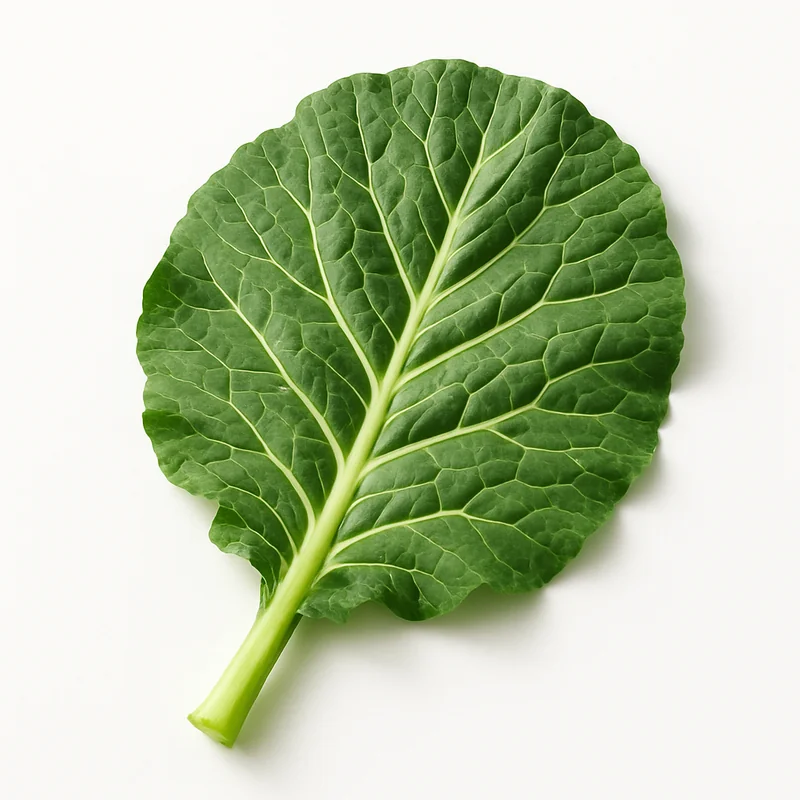
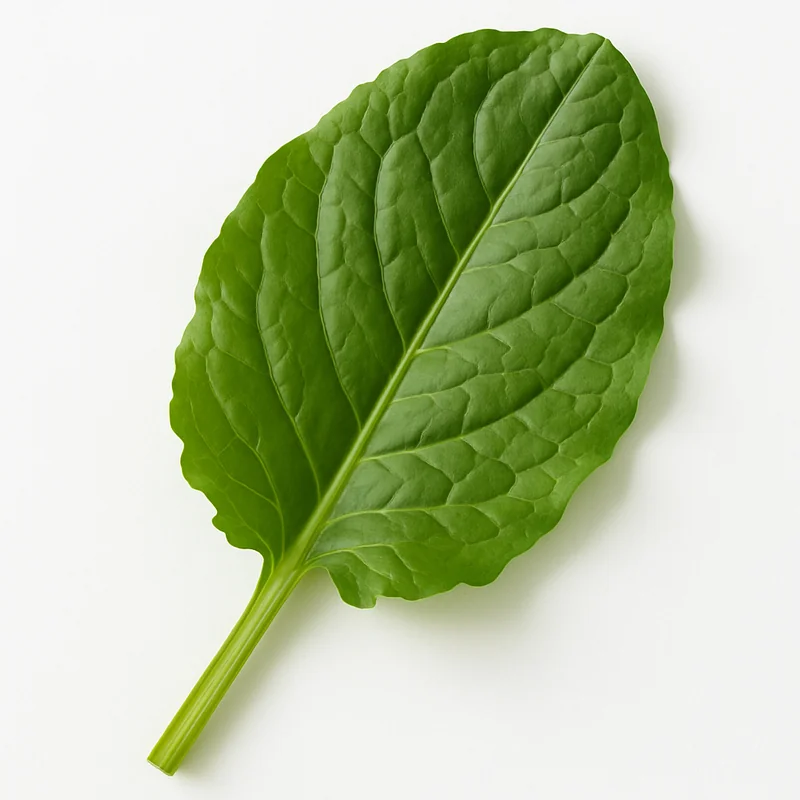
- ·Combine with leafy greens (spinach, kale) because both provide complementary carotenoids (lutein, zeaxanthin) with synergistic antioxidant effects
- ·Pair with vitamin C sources (citrus, bell peppers, tomatoes) because ascorbic acid enhances iron bioavailability and supports collagen synthesis
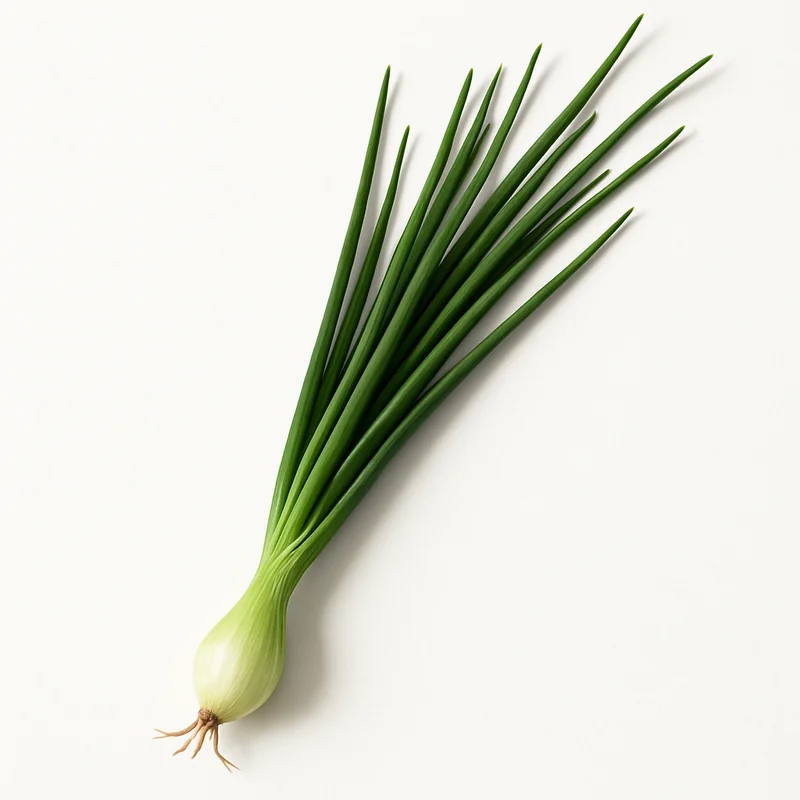
- ·Combine with alliums (garlic, onions) because sulfur compounds enhance Phase II detoxification enzyme activity alongside carrot polyphenols
Practical tips
- ·Best timing: Carrots provide sustained energy via complex carbohydrates and fiber, making them suitable for any meal or snack. Consuming with meals enhances fat-soluble carotenoid absorption. No time-dependent mechanisms exist that would restrict consumption.
- ·Cook carrots lightly (steamed or roasted 15-20 minutes) to increase beta-carotene bioavailability by 25-30% while preserving fiber and heat-sensitive B vitamins
- ·Select carrots with deep orange coloring and firm texture; store in cool, humid conditions (refrigerator crisper drawer) to maintain nutrient density for 3-4 weeks
- ·Consume carrot skin when possible, as it concentrates falcarinol and other polyphenols; scrub thoroughly under running water rather than peeling
- ·Include both raw (enzyme activity, maximum vitamin C) and cooked carrots in weekly diet to optimize different nutrient absorption profiles
- ·Avoid prolonged storage of cut carrots in water, which leaches water-soluble B vitamins and minerals; refrigerate whole or cut carrots in sealed containers
Related foods
What is Carrots actually covering?
See which nutrients your diet already delivers and which ones your supplements still need to — food and pills measured on the same scale.
Check my nutrients2 questions · free · no account needed to start
Also on iPhone — get the free app
Evidence-based supplement guides, no spam
We send a short digest when new guides drop — nothing else. No affiliate pushes, no sponsored content, unsubscribe anytime.