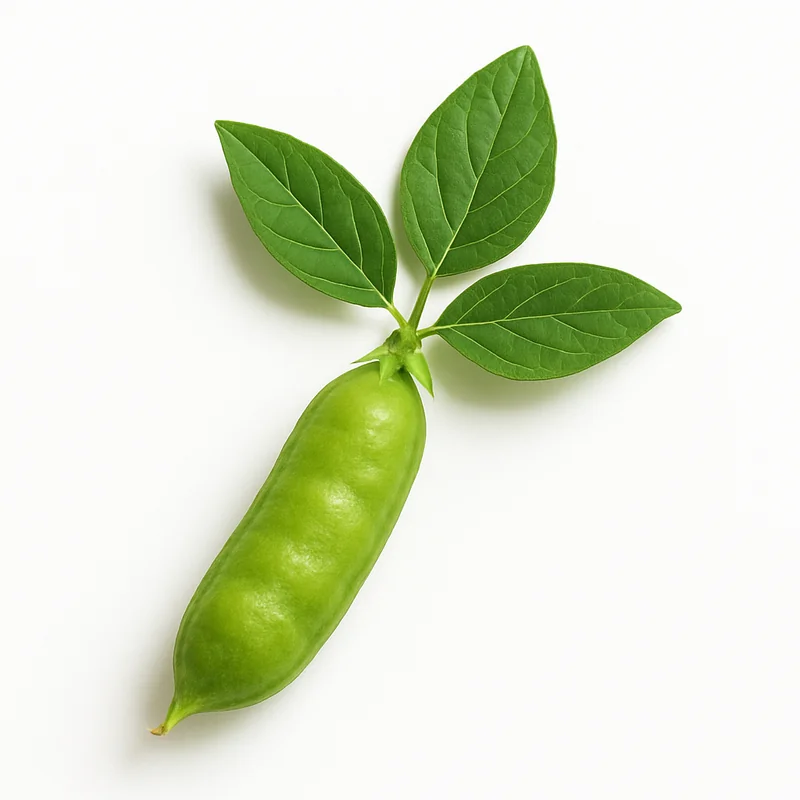
Pigeonpea
ScoreA
Pigeonpea is a protein-rich legume with 7.2g protein per 100g and exceptional fiber content, making it a nutrient-dense staple for supporting cardiovascular and metabolic health.
Why Pigeonpea scores 86
% Daily Value per ½ cup (90 g)
Nutrition
per 100 g
Health benefits
Blood glucose regulation and type 2 diabetes risk reduction
strong evidenceHigh fiber (5.1g) and resistant starch slow carbohydrate digestion, reducing postprandial glucose spikes and improving insulin sensitivity
Cardiovascular disease prevention
moderate evidenceFolate reduces homocysteine; fiber lowers LDL cholesterol; potassium-rich profile supports healthy blood pressure; polyphenols reduce inflammatory markers
Cognitive function and neural health
moderate evidenceFolate and choline support neurotransmitter synthesis and myelin formation; antioxidant polyphenols protect against neuroinflammation
Bone health and mineral density
moderate evidenceMagnesium (68mg) and phosphorus (127mg) work synergistically with calcium to support bone matrix formation and mineralization
Gut microbiota diversity and prebiotics
moderate evidenceResistant starch and insoluble fiber serve as selective substrates for beneficial bacteria, increasing short-chain fatty acid production
Pairs well with
- ·Pair with turmeric and black pepper because curcumin's bioavailability increases with piperine, and both enhance the anti-inflammatory effects of pigeonpea's polyphenols
- ·Combine with whole grains (brown rice, millet) to create a complete protein profile with all nine essential amino acids and improve mineral bioavailability through complementary nutrient ratios
- ·Pair with vitamin C-rich foods (tomatoes, bell peppers, citrus) to enhance non-heme iron absorption from the legume and boost overall antioxidant capacity
- ·Mix with leafy greens (spinach, kale) to synergize folate content and provide additional magnesium for cardiovascular and bone health benefits
Practical tips
- ·Best timing: midday
- ·Soak dried pigeonpeas for 8-12 hours before cooking to reduce phytic acid content by up to 50%, improving mineral bioavailability
- ·Cook pigeonpeas thoroughly and refrigerate for 24 hours to maximize resistant starch formation, which increases when cooled; this enhances metabolic benefits
- ·Source split or hulled pigeonpeas for faster cooking (25-30 minutes) without compromising nutritional content; whole peas require 45-60 minutes
- ·Store dried pigeonpeas in airtight containers in cool, dark conditions for up to 12 months; fresh frozen varieties retain nutrient density and offer convenience
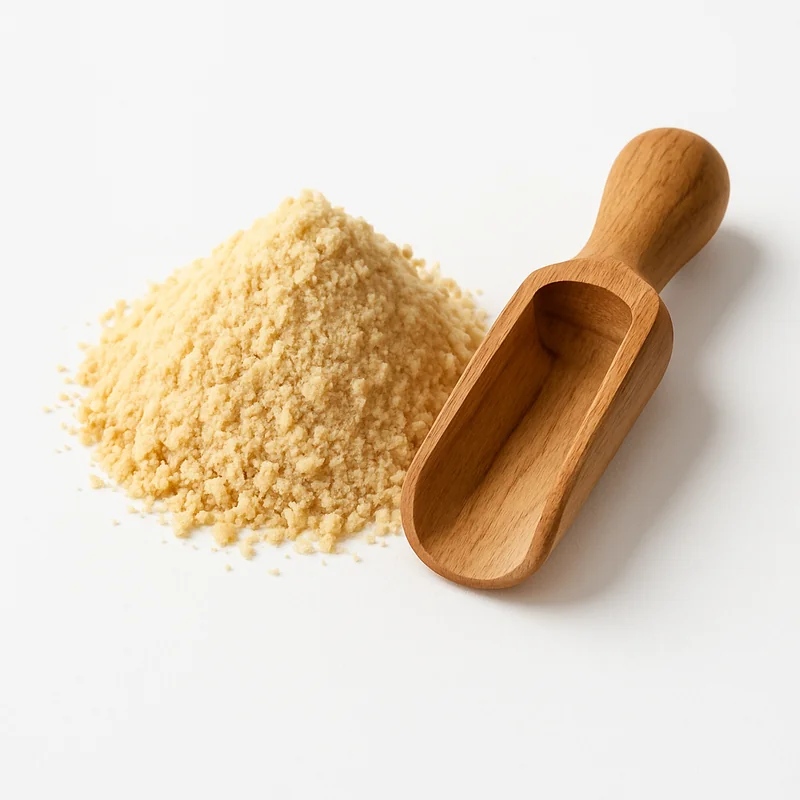
- ·Include pigeonpea flour in smoothies or baked goods to increase protein and fiber intake without requiring long cooking times
Related foods
What is Pigeonpea actually covering?
See which nutrients your diet already delivers and which ones your supplements still need to — food and pills measured on the same scale.
Check my nutrients2 questions · free · no account needed to start
Also on iPhone — get the free app
Evidence-based supplement guides, no spam
We send a short digest when new guides drop — nothing else. No affiliate pushes, no sponsored content, unsubscribe anytime.