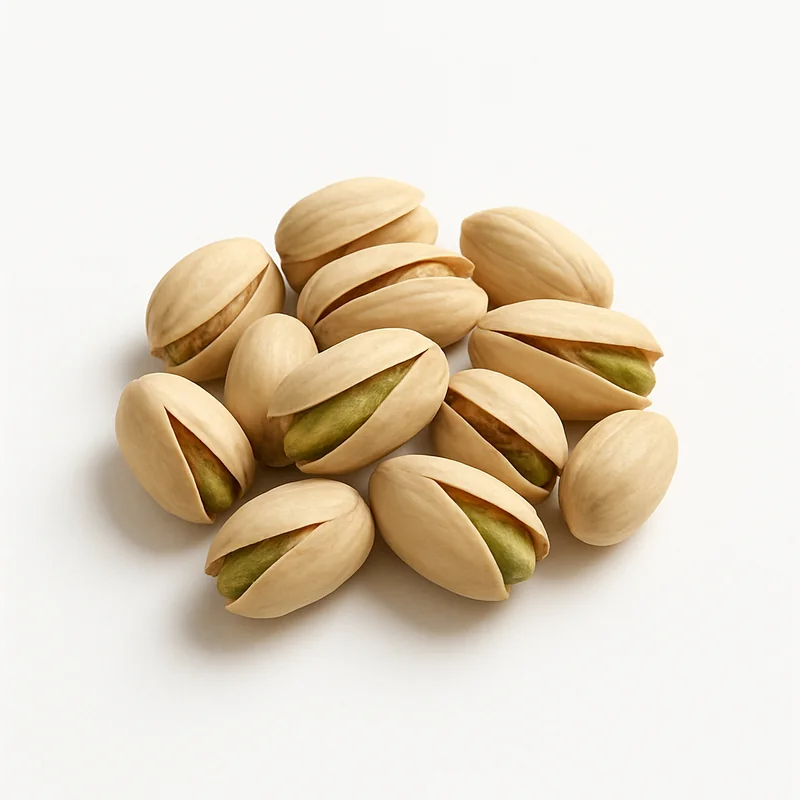
Pistachios
ScoreA
Pistachios are nutrient-dense tree nuts rich in plant-based protein, healthy fats, and bioactive compounds including polyphenols and carotenoids. Their unique green flesh contains exceptional levels of antioxidants compared to other nuts.
Why Pistachios scores 86
% Daily Value per 1 oz (28 g)
Nutrition
per 100 g
Health benefits
Improved cardiovascular function and lipid profile
strong evidenceUnsaturated fats, arginine, and polyphenols reduce LDL oxidation and enhance endothelial nitric oxide production, improving blood vessel function and reducing atherosclerosis risk
Enhanced antioxidant defense and reduced inflammation
moderate evidenceHigh concentrations of anthocyanins, flavonoids, and other polyphenols neutralize reactive oxygen species and inhibit pro-inflammatory signaling pathways
Improved blood glucose control and insulin sensitivity
moderate evidenceFiber and polyphenols slow carbohydrate absorption, reduce postprandial glucose spikes, and enhance insulin receptor sensitivity
Supported ocular health and macular pigmentation
moderate evidenceLutein and zeaxanthin accumulate in the macula and reduce age-related macular degeneration risk by filtering blue light and providing antioxidant protection
Enhanced bone mineral density and strength
emerging evidenceHigh phosphorus, potassium, copper, and manganese support bone matrix formation, mineralization, and collagen cross-linking
Pairs well with
- ·Pair with berries (blueberries, raspberries) because polyphenols in both foods synergize to enhance total antioxidant capacity and anti-inflammatory effects
- ·Combine with olive oil in salads because monounsaturated fats in both foods enhance absorption of fat-soluble vitamins and polyphenols
- ·Mix with Greek yogurt because protein complementarity increases total essential amino acid bioavailability and satiety response
- ·Pair with dark leafy greens (spinach, kale) because copper in pistachios enhances iron absorption from greens while greens add folate and additional polyphenols
- ·Combine with citrus fruits (oranges, lemons) because vitamin C in citrus enhances copper and manganese bioavailability and boosts overall antioxidant synergy
Practical tips
- ·Best timing: midday
- ·Store shelled pistachios in airtight containers away from light and heat to prevent oxidation of delicate polyunsaturated fats; refrigeration extends shelf life to 3-4 months
- ·Select in-shell pistachios when possible, as shells protect against oxidation; naturally open shells indicate ripeness and maturity
- ·Consume unsalted varieties to maximize health benefits without excess sodium intake; roasted (not fried) pistachios retain polyphenol content better than raw
- ·Practice portion control: one ounce (approximately 49 kernels or 28g) provides optimal nutrient density without excess calorie consumption; pre-portion into small containers for mindful eating
Related foods
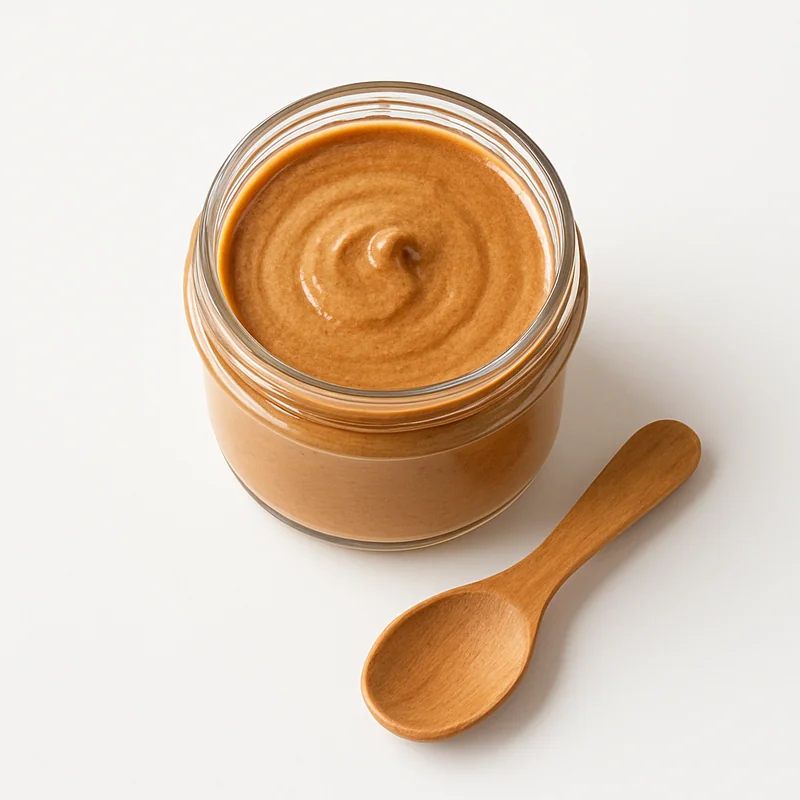
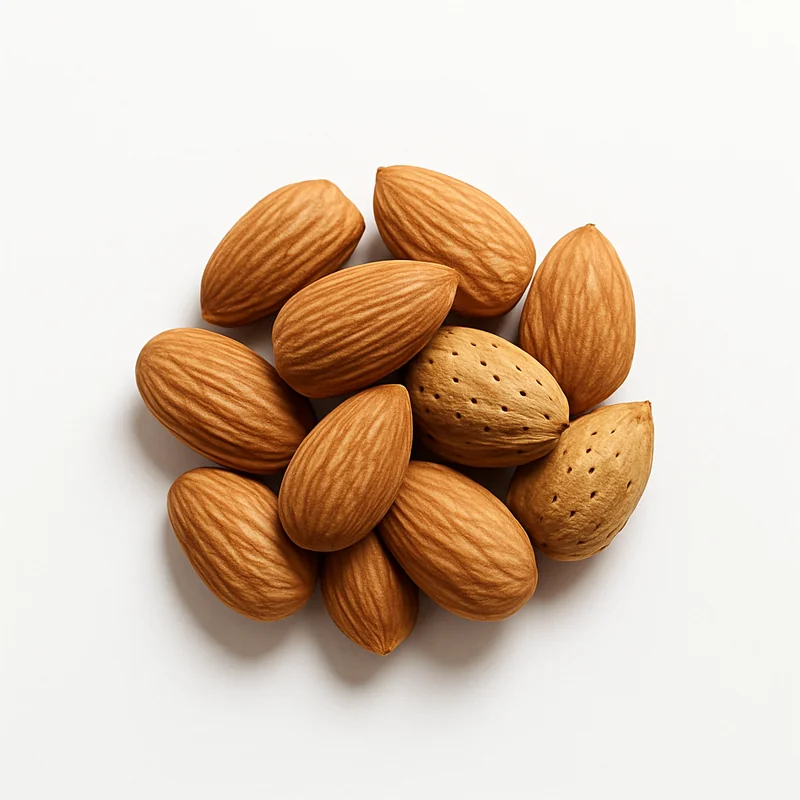
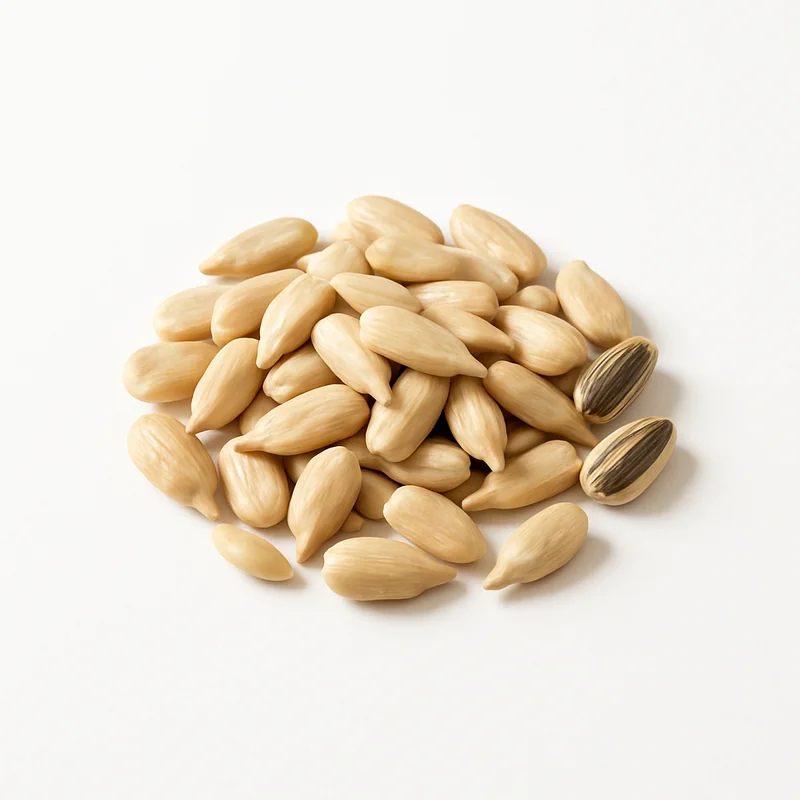
What is Pistachios actually covering?
See which nutrients your diet already delivers and which ones your supplements still need to — food and pills measured on the same scale.
Check my nutrients2 questions · free · no account needed to start
Also on iPhone — get the free app
Evidence-based supplement guides, no spam
We send a short digest when new guides drop — nothing else. No affiliate pushes, no sponsored content, unsubscribe anytime.