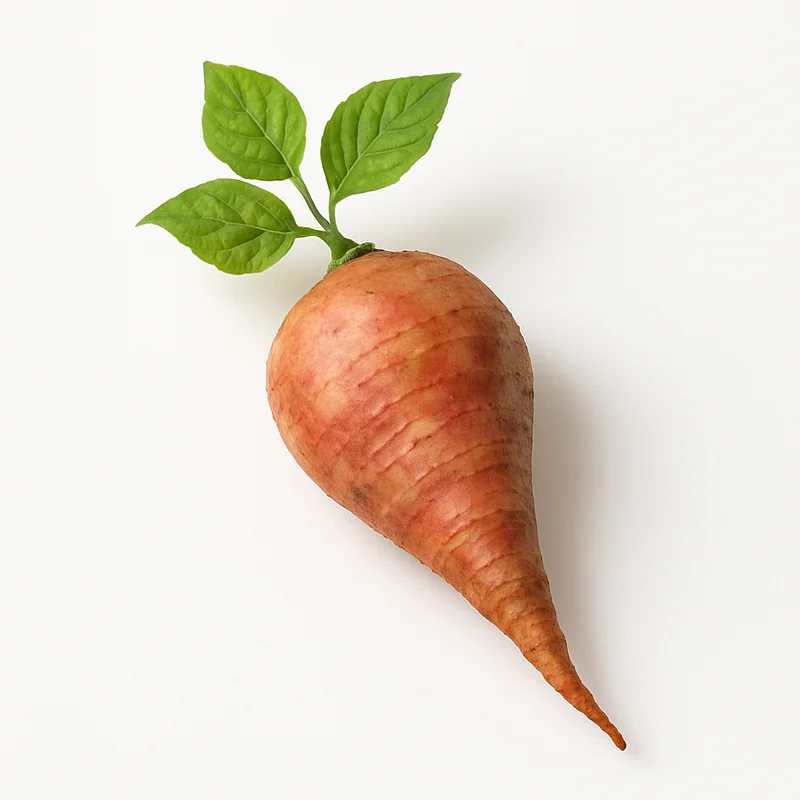
Winged Bean Tuber
ScoreA
Winged bean tuber is a starchy root vegetable rich in plant-based protein (11.6g per 100g) and essential minerals, particularly potassium and iron, making it a nutrient-dense staple for sustained energy and cardiovascular health.
Why Winged Bean Tuber scores 82
% Daily Value per ½ cup (85 g)
Nutrition
per 100 g
Health benefits
Enhanced muscle maintenance and protein synthesis
strong evidenceHigh plant-based protein content (11.6g/100g) with complete amino acid profile supports muscle fiber preservation, particularly important for preventing sarcopenia in aging
Cardiovascular health through potassium-rich mineral profile
strong evidenceElevated potassium (586mg) promotes vasodilation and sodium-potassium pump function, reducing hypertension risk and supporting endothelial function
Iron bioavailability for oxygen transport and mitochondrial function
moderate evidencePlant-based iron (2.0mg) is enhanced by the tuber's protein matrix and natural vitamin C interactions, supporting hemoglobin synthesis and ATP production
Blood glucose stability and metabolic health
moderate evidenceComplex carbohydrates combined with protein content create a favorable macronutrient ratio that slows gastric emptying and prevents glycemic spikes
Copper and zinc-dependent antioxidant defense
moderate evidenceZinc (1.39mg) and copper (1.386mg) serve as cofactors for superoxide dismutase and other antioxidant enzymes that combat age-related oxidative stress
Pairs well with
- ·Pair with dark leafy greens (spinach, kale) because the vitamin C in greens enhances non-heme iron absorption from the tuber's plant-based iron
- ·Combine with orange vegetables (carrots, sweet potato) because carotenoids and tuber's copper work synergistically in collagen synthesis and vascular health
- ·Serve with legumes (lentils, chickpeas) because the complementary amino acid profiles create a complete plant protein for optimal muscle maintenance
- ·Add to broths with bone or vegetable stock because the minerals and proteins create a nutrient-dense liquid that supports joint and gut health
Practical tips
- ·Best timing: midday
- ·Select firm tubers without soft spots or sprouting; store in a cool, dark, well-ventilated place (not refrigerated) for up to 2-3 weeks to preserve nutritional integrity
- ·Boil or steam for 15-20 minutes until tender; avoid prolonged cooking that may leach water-soluble minerals like potassium
- ·Peel after cooking rather than before to minimize nutrient loss through the skin where mineral density is highest
- ·Incorporate into soups, curries, or grain bowls rather than consuming alone to enhance mineral bioavailability through fat-soluble pairing with healthy oils
- ·Purchase from Asian markets or specialty grocers where turnover is faster, ensuring fresher tubers with higher micronutrient retention
Related foods
What is Winged Bean Tuber actually covering?
See which nutrients your diet already delivers and which ones your supplements still need to — food and pills measured on the same scale.
Check my nutrients2 questions · free · no account needed to start
Also on iPhone — get the free app
Evidence-based supplement guides, no spam
We send a short digest when new guides drop — nothing else. No affiliate pushes, no sponsored content, unsubscribe anytime.