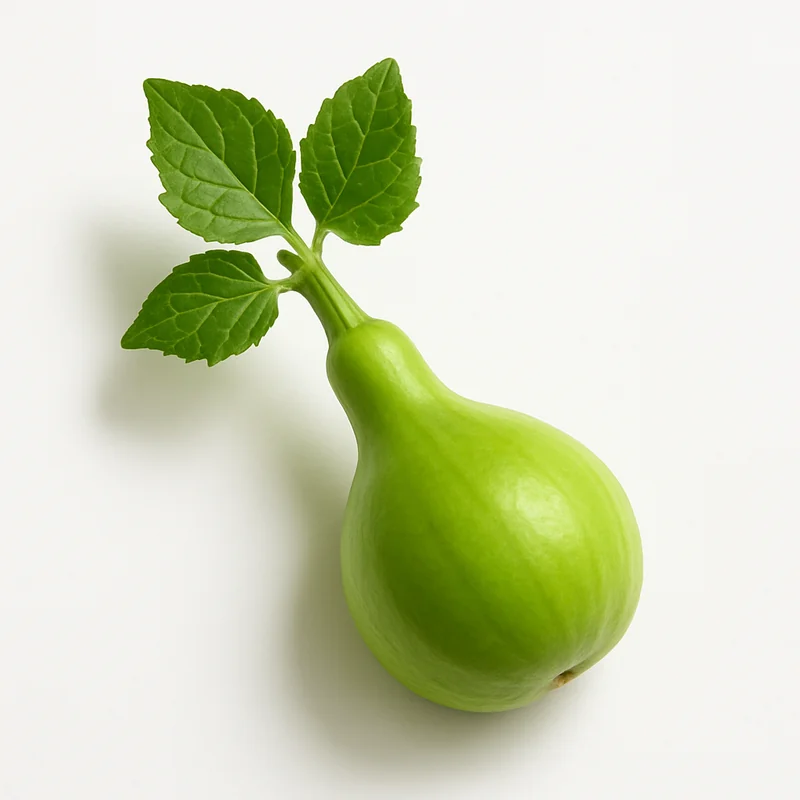
Gourd
ScoreA
Gourds are low-calorie, water-rich vegetables with mild flavor profiles, providing essential minerals and vitamin C while being exceptionally light for digestive support and hydration.
Why Gourd scores 89
% Daily Value per ½ cup (85 g)
Nutrition
per 100 g
Health benefits
Blood glucose and insulin sensitivity regulation
moderate evidenceBitter gourd contains polypeptide-P and charantin compounds that enhance glucose uptake in cells and improve pancreatic insulin secretion, while low glycemic load prevents blood sugar spikes
Cardiovascular health support
strong evidenceHigh potassium content (139mg/100g) regulates blood pressure by promoting vasodilation and counteracting sodium effects; polyphenols reduce oxidative stress on arterial walls
Hydration and electrolyte balance
strong evidence92% water content with naturally occurring minerals (potassium, phosphorus, magnesium) replaces fluids and electrolytes lost during daily activity or exercise
Antioxidant and anti-inflammatory protection
moderate evidenceGourd polyphenols and vitamin C neutralize free radicals and reduce pro-inflammatory cytokine production, supporting cellular aging prevention
Digestive and prebiotic support
moderate evidenceSoluble fiber (1.1g/100g) acts as prebiotic substrate for beneficial Bifidobacterium and Lactobacillus, supporting gut barrier function and microbial diversity
Pairs well with
- ·Pair with turmeric because curcumin enhances absorption of gourd polyphenols and amplifies anti-inflammatory effects synergistically
- ·Combine with healthy fats (olive oil, coconut oil) because fat-soluble compounds in gourds and lipophilic bioactives achieve better absorption when consumed with lipid sources
- ·Pair with lentils or chickpeas because complementary plant proteins and fiber create sustained satiety; minerals in gourds enhance legume iron absorption
- ·Combine with garlic and ginger because their pungent compounds synergize anti-inflammatory mechanisms and support digestive enzyme activity
Practical tips
- ·Best timing: Gourds' hydrating properties, low glycemic load, and minimal digestive burden make them suitable throughout the day; consume with meals containing fat or protein to optimize mineral absorption and satiety
- ·Select firm gourds with unblemished skin and store in cool, dry conditions (not refrigerated unless pre-cut) for up to 2 weeks to preserve nutritional integrity
- ·Lightly steam or stir-fry gourds for 4-6 minutes rather than boiling to minimize leaching of potassium and water-soluble vitamins while maintaining texture
- ·For bitter gourds, blanch briefly in salted water before cooking to reduce excessive bitterness while retaining beneficial compounds; consume with a small fat source for optimal bioactive absorption
- ·Include gourd skin when cooking (after thorough washing) as it concentrates polyphenols and fiber; peeling removes 15-25% of beneficial compounds
- ·Consume fresh gourds within 2-3 days of harvest for peak vitamin C and polyphenol content; frozen gourds retain 85-90% of bioactive compounds if blanched and stored properly
Related foods
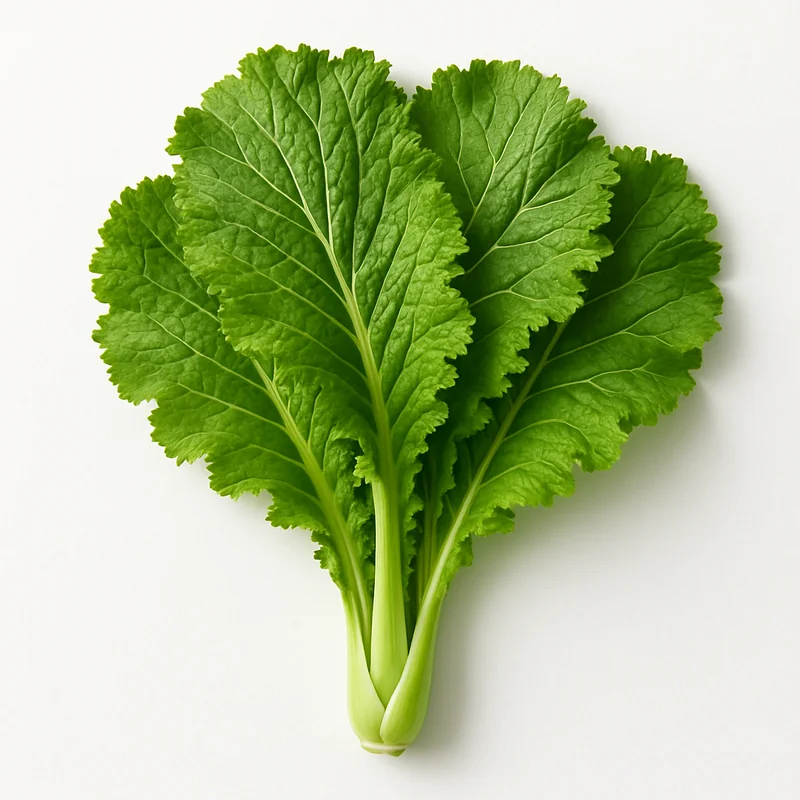
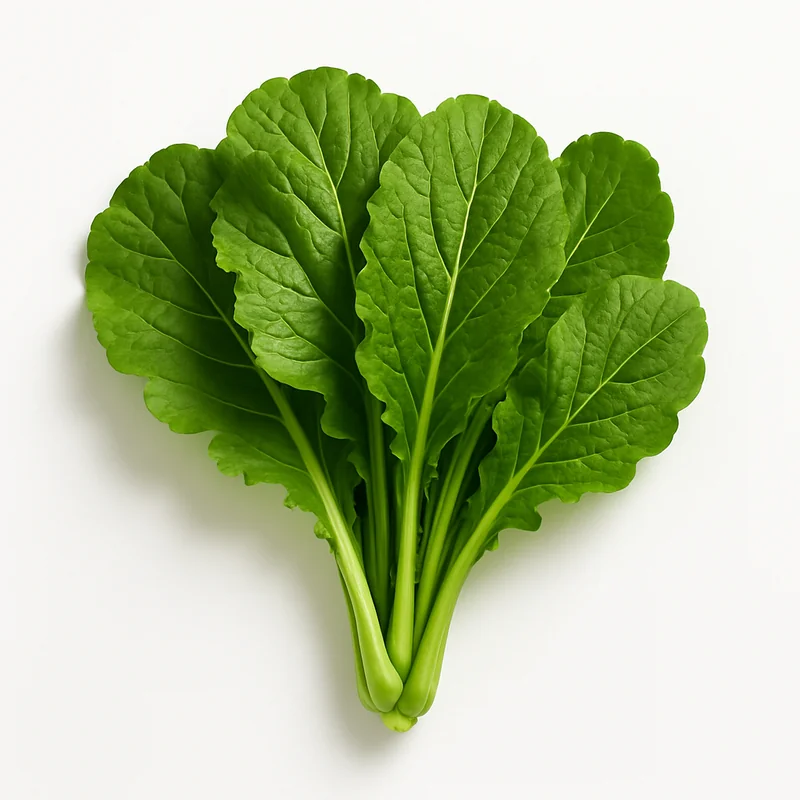
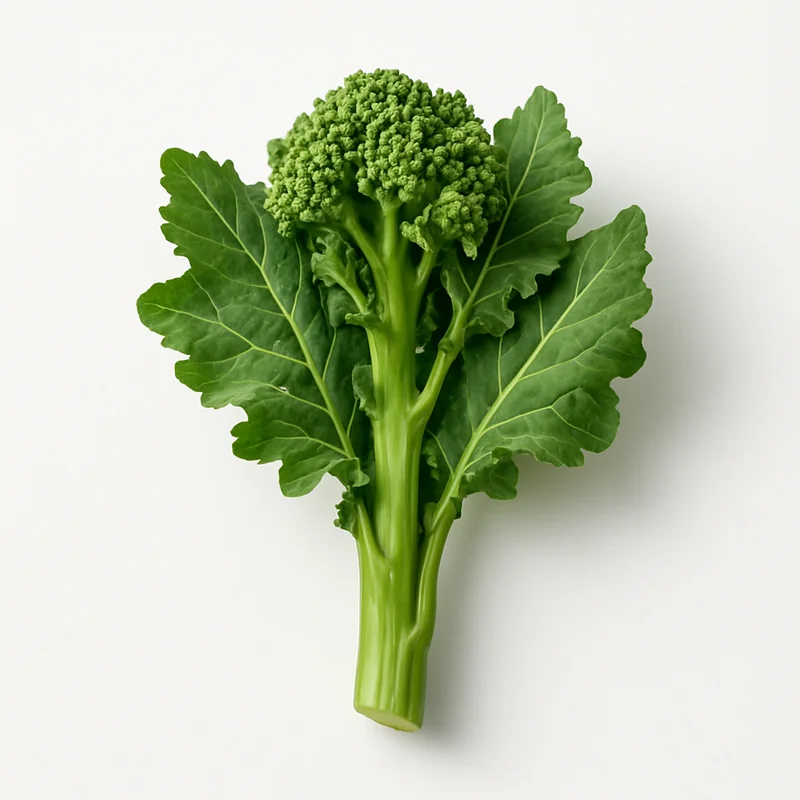
What is Gourd actually covering?
See which nutrients your diet already delivers and which ones your supplements still need to — food and pills measured on the same scale.
Check my nutrients2 questions · free · no account needed to start
Also on iPhone — get the free app
Evidence-based supplement guides, no spam
We send a short digest when new guides drop — nothing else. No affiliate pushes, no sponsored content, unsubscribe anytime.