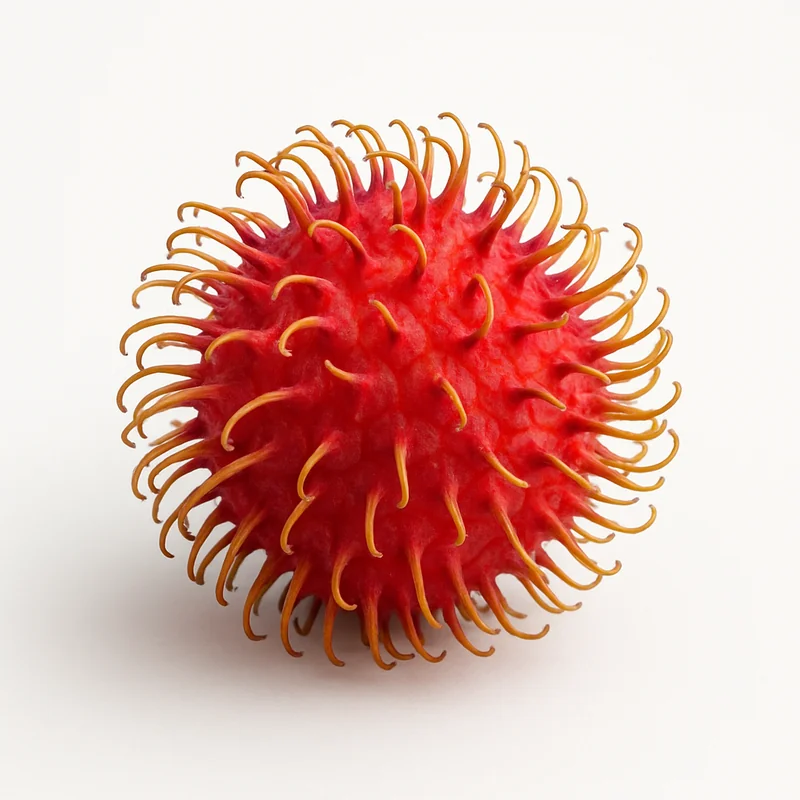
Rambutan
ScoreC
Rambutan is a tropical fruit native to Southeast Asia with a distinctive hairy exterior and translucent white flesh, providing light calories with modest vitamin C and niacin content for cellular health.
Why Rambutan scores 56
% Daily Value per 1 medium (140 g)
Nutrition
per 100 g
Health benefits
Antioxidant and anti-inflammatory support
moderate evidencePolyphenols including gallic acid, ellagic acid, and catechins scavenge free radicals and modulate inflammatory pathways, reducing oxidative stress markers associated with chronic disease
Immune function enhancement
strong evidenceVitamin C (4.9mg/100g) serves as a cofactor for collagen synthesis and stimulates neutrophil and lymphocyte production while enhancing interferon response
Copper-dependent oxidative enzyme support
moderate evidenceCopper facilitates cytochrome c oxidase and ceruloplasmin activity, critical for ATP production and ferroxidase function protecting against iron-mediated oxidative damage
Cardiovascular metabolic health
moderate evidenceNiacin (1.352mg) improves HDL cholesterol and reduces triglycerides via SIRT1 activation and GPR109A signaling in vascular endothelium
Antimicrobial and gut barrier integrity
emerging evidencePolyphenolic compounds exhibit selective antimicrobial activity against pathogenic bacteria while potentially promoting beneficial microbiota and tight junction protein expression
Pairs well with
- ·Pair with lime juice because citric acid enhances polyphenol bioavailability and vitamin C absorption through pH reduction in the small intestine
- ·Combine with raw almonds because the fat content facilitates lipophilic antioxidant absorption and provides complementary magnesium for enzyme cofactor functions
- ·Mix into Greek yogurt because the probiotics support polyphenol metabolism via the gut microbiota-generated phenolic acid pathway (phenylacetyl-CoA metabolism)
- ·Serve with fresh mint because menthol enhances digestive enzyme secretion and may improve polyphenol extraction in the GI tract
Practical tips
- ·Best timing: midday
- ·Select rambutans with bright red color and fresh, pliable hairs; avoid darkened or shriveled specimens indicating oxidative degradation of antioxidant compounds
- ·Consume the peel as a tea or extract when possible, as research suggests the rind contains 3-5× higher polyphenol concentrations than flesh alone
- ·Refrigerate at 4-8°C for up to 14 days; do not freeze, as ice crystal formation disrupts cell membranes and reduces bioactive compound stability
- ·Eat within 2-3 hours of peeling to maximize vitamin C retention, as exposure to oxygen causes rapid ascorbate oxidation (degradation rate ~5-10% per hour at room temperature)
- ·Consume as a whole fruit rather than juiced to retain fiber content (0.9g), which modulates glucose absorption and supports prebiotic effects
Related foods
What is Rambutan actually covering?
See which nutrients your diet already delivers and which ones your supplements still need to — food and pills measured on the same scale.
Check my nutrients2 questions · free · no account needed to start
Also on iPhone — get the free app
Evidence-based supplement guides, no spam
We send a short digest when new guides drop — nothing else. No affiliate pushes, no sponsored content, unsubscribe anytime.