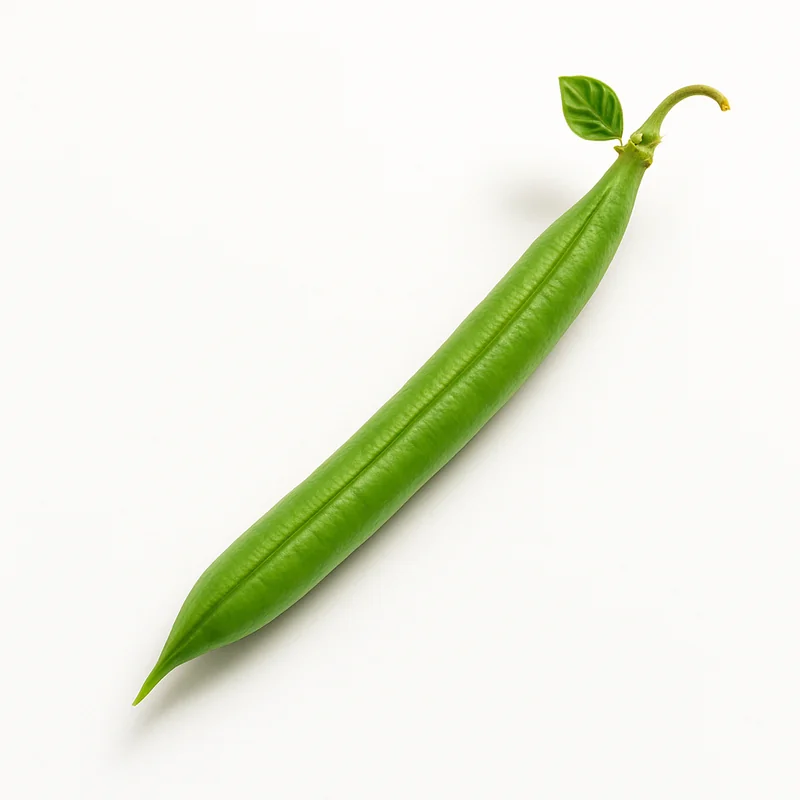
Green Beans
ScoreA
Green beans are a low-calorie cruciferous vegetable rich in vitamin K, fiber, and manganese, supporting bone health and metabolic function with minimal glycemic impact.
Why Green Beans scores 88
% Daily Value per ½ cup (85 g)
Nutrition
per 100 g
Health benefits
Enhanced bone density and reduced fracture risk through vitamin K-dependent osteocalcin carboxylation
strong evidenceVitamin K acts as a cofactor for gamma-carboxylase, enabling bone protein mineralization and improving bone matrix quality independent of calcium intake
Improved vascular endothelial function and reduced arterial stiffness
moderate evidenceVitamin K activates matrix Gla protein (MGP), which inhibits vascular calcification and maintains arterial elasticity critical for healthy aging
Enhanced antioxidant capacity and reduced systemic inflammation
moderate evidenceManganese supports superoxide dismutase (SOD) activity; chlorogenic acid and quercetin provide direct free radical scavenging, reducing oxidative stress markers
Improved glycemic stability and metabolic health through fiber and resistant starch
strong evidenceSoluble fiber slows gastric emptying and glucose absorption, while insoluble fiber promotes butyrate-producing bacteria, improving insulin sensitivity and satiety hormones
Optimized homocysteine metabolism supporting cardiovascular and neurological aging
moderate evidenceFolate participates in one-carbon metabolism converting homocysteine to methionine; elevated homocysteine is an independent cardiovascular risk factor in aging
Pairs well with
- ·Pair with olive oil or avocado because fat-soluble vitamin K (particularly phylloquinone) requires dietary lipids for micellar solubilization and intestinal absorption
- ·Combine with garlic or onions because allicin compounds enhance nitric oxide bioavailability, synergizing with green bean polyphenols for vascular benefit
- ·Serve with citrus or bell peppers because vitamin C stabilizes and enhances non-heme iron absorption from green beans, improving bioavailability by up to 3-fold
- ·Pair with bone broth or collagen-rich foods because combined vitamin K and collagen amino acids optimize bone matrix formation and mineralization
Practical tips
- ·Best timing: midday
- ·Consume green beans within 2-3 days of purchase; store unwashed in breathable containers at 4°C to minimize vitamin K oxidation and polyphenol degradation
- ·Lightly steam for 4-5 minutes rather than boiling to preserve heat-labile vitamin C and water-soluble folate while maintaining structural integrity for enzymes
- ·Include the edible pod entirely—the highest phytonutrient density is concentrated in the chlorophyll-rich skin and pod matrix, not the seeds
- ·Consume cooked green beans with added fat (olive oil, ghee, or nuts) at meals to maximize lipophilic vitamin K absorption and extend satiety
- ·Rotate green beans with other cruciferous vegetables (broccoli, Brussels sprouts) to diversify glucosinolate profiles and prevent potential goitrogen accumulation in iodine-limited individuals
Related foods
What is Green Beans actually covering?
See which nutrients your diet already delivers and which ones your supplements still need to — food and pills measured on the same scale.
Check my nutrients2 questions · free · no account needed to start
Also on iPhone — get the free app
Evidence-based supplement guides, no spam
We send a short digest when new guides drop — nothing else. No affiliate pushes, no sponsored content, unsubscribe anytime.