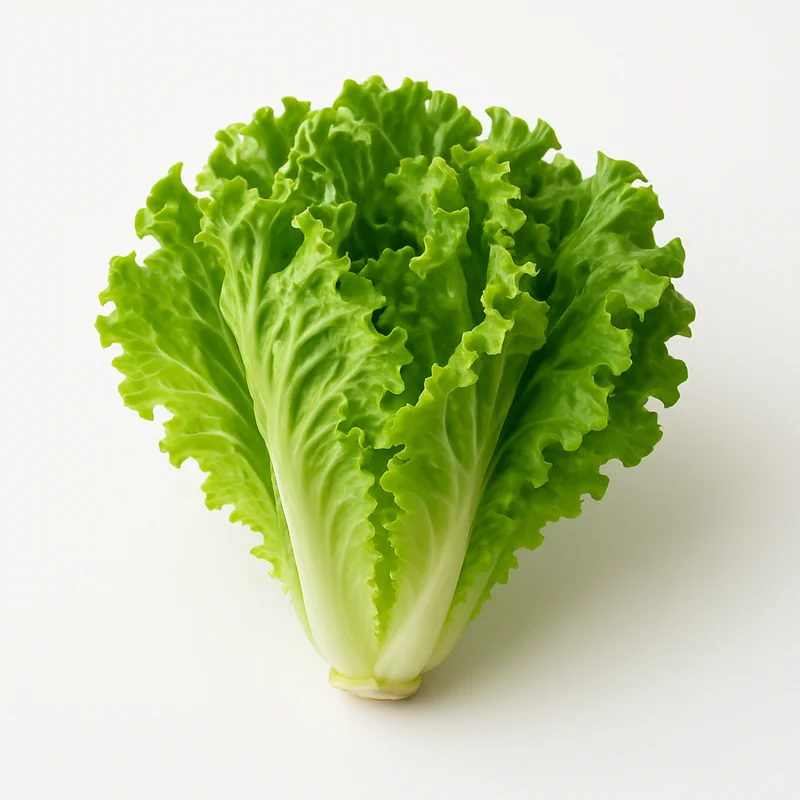
Lettuce
ScoreA+
Lettuce is a leafy green vegetable rich in vitamins K and A, folate, and polyphenols, with minimal calories making it ideal for weight management and metabolic health.
Why Lettuce scores 94
% Daily Value per ½ cup (85 g)
Nutrition
per 100 g
Health benefits
Cardiovascular protection through arterial health
strong evidenceVitamin K activates osteocalcin and matrix Gla-protein, proteins that prevent vascular calcification and maintain endothelial function
Cognitive and vision preservation
moderate evidenceLutein and zeaxanthin accumulate in the macula and hippocampus, filtering blue light and protecting against oxidative damage
Anti-inflammatory response
moderate evidencePolyphenols (including caffeic acid and quercetin) inhibit NF-κB signaling and reduce pro-inflammatory cytokine production
Weight and metabolic management
strong evidenceHigh water and fiber content with minimal calories promotes satiety while providing nutrient density for hormonal balance
Bone health and fracture prevention
moderate evidenceVitamin K mediates bone mineralization and osteoblast differentiation, supporting skeletal density
Pairs well with
- ·Pair with olive oil because fat-soluble vitamins (K, A, E) require dietary lipids for absorption; olive oil's polyphenols synergize with lettuce's antioxidants
- ·Pair with tomatoes because lycopene absorption increases with olive oil and vitamin C from tomatoes enhances iron bioavailability from lettuce
- ·Pair with cruciferous vegetables (broccoli, cabbage) because combined glucosinolates and polyphenols create additive anti-inflammatory effects
- ·Pair with beans or legumes because plant proteins and fiber work synergistically to enhance satiety and provide complementary amino acid profiles
Practical tips
- ·Best timing: Lettuce's low glycemic load and nutrient profile support any meal timing. As a volume-filling, calorie-sparse food, it's particularly useful at lunch or dinner to reduce overall meal energy density without satiety compromise.
- ·Choose darker varieties (romaine, red leaf, kale-like lettuce) over iceberg, which contain 5-10x higher polyphenol and carotenoid concentrations
- ·Store in crisper drawer wrapped in damp paper towel to maintain hydration; use within 5-7 days as nutrient density declines with age
- ·Tear rather than chop lettuce by hand within 15 minutes of consumption to minimize enzymatic oxidation of polyphenols
- ·Consume raw or lightly wilted (not cooked) to preserve heat-sensitive vitamins K and C and maximize polyphenol bioavailability
Related foods
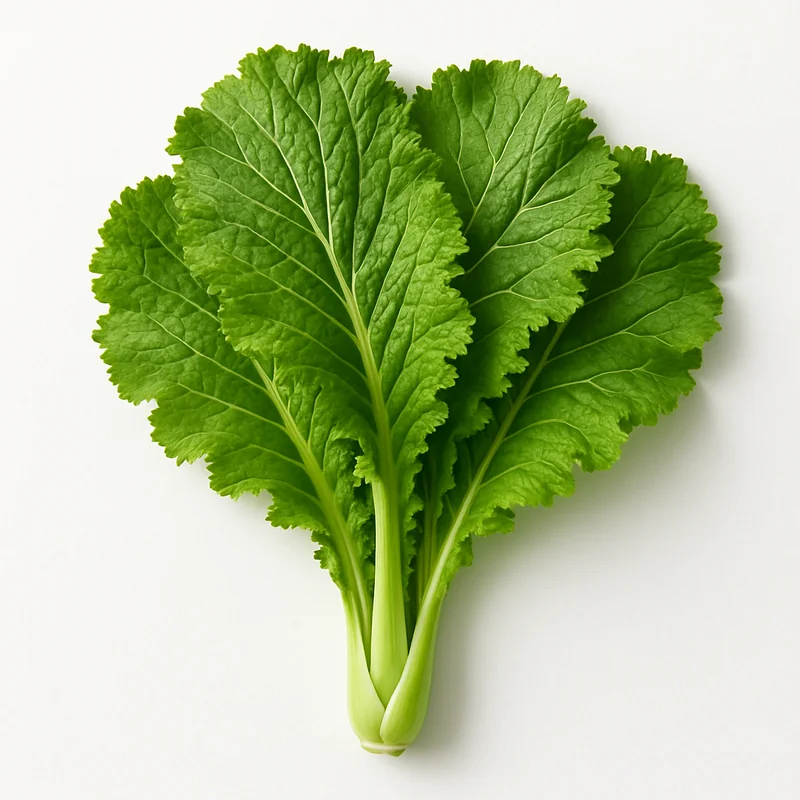
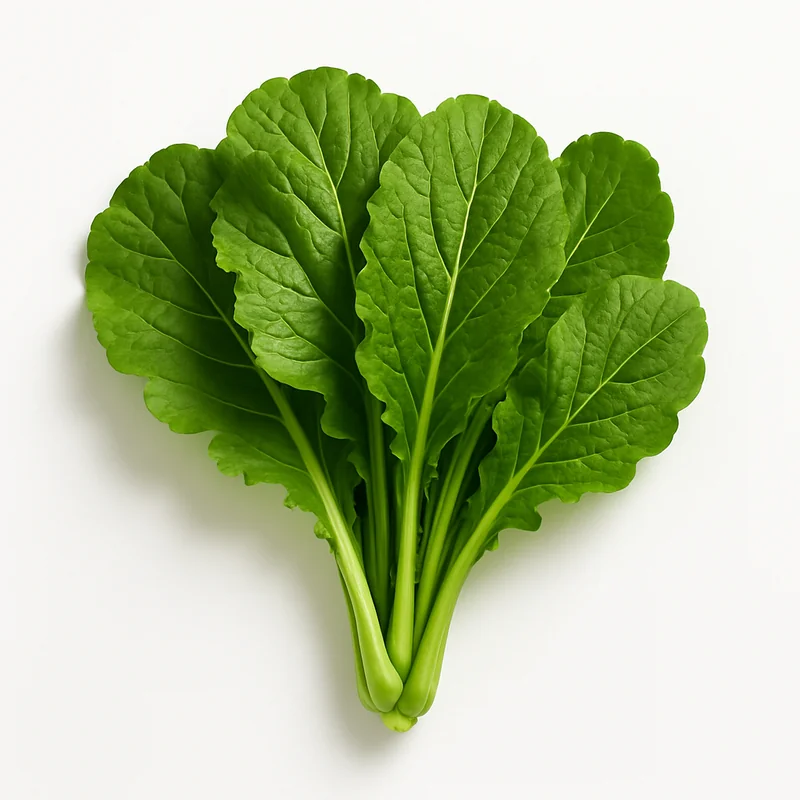
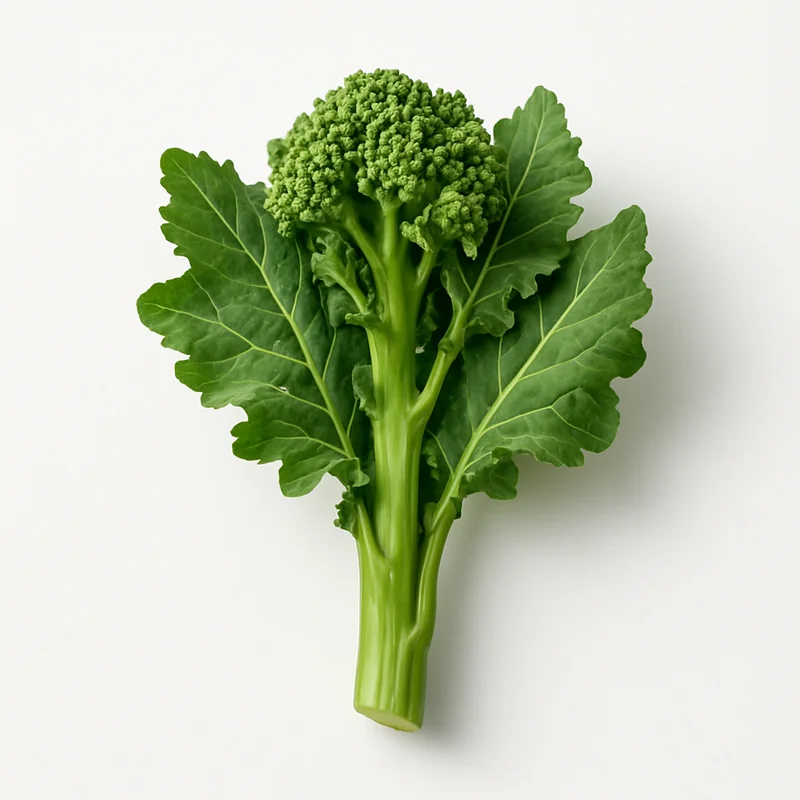
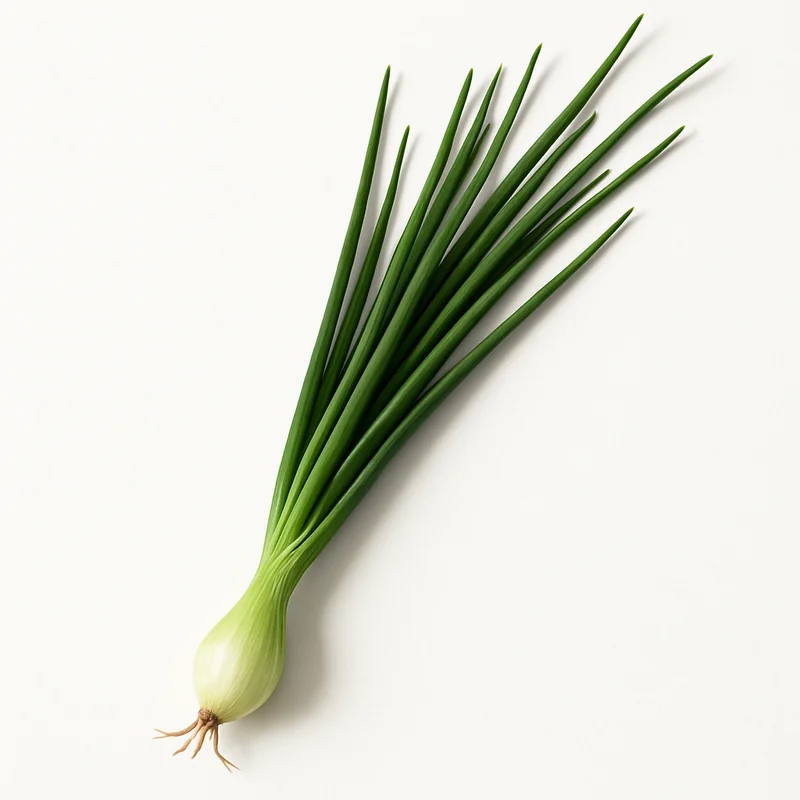
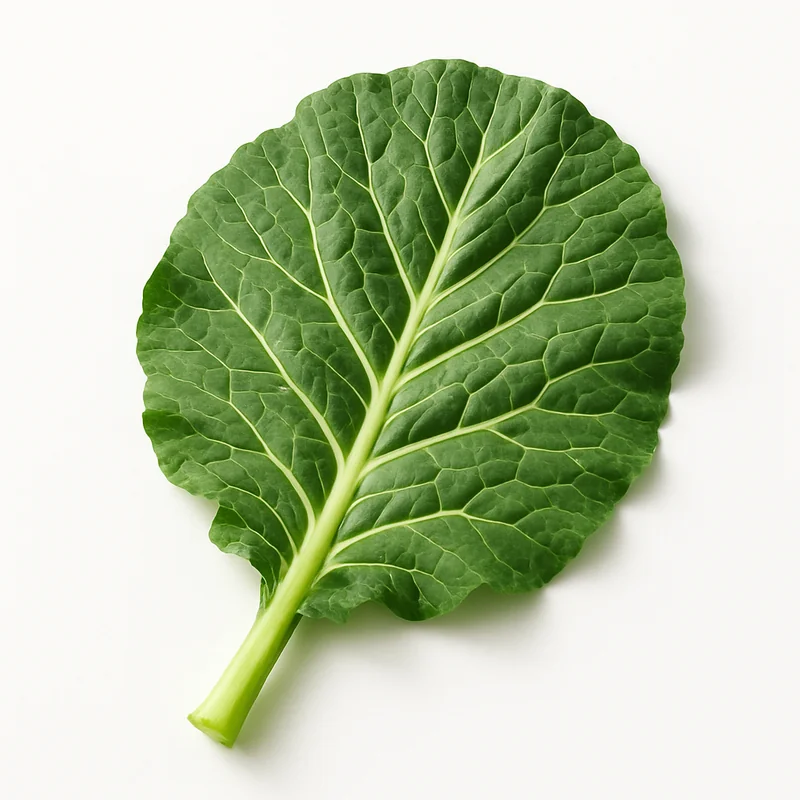
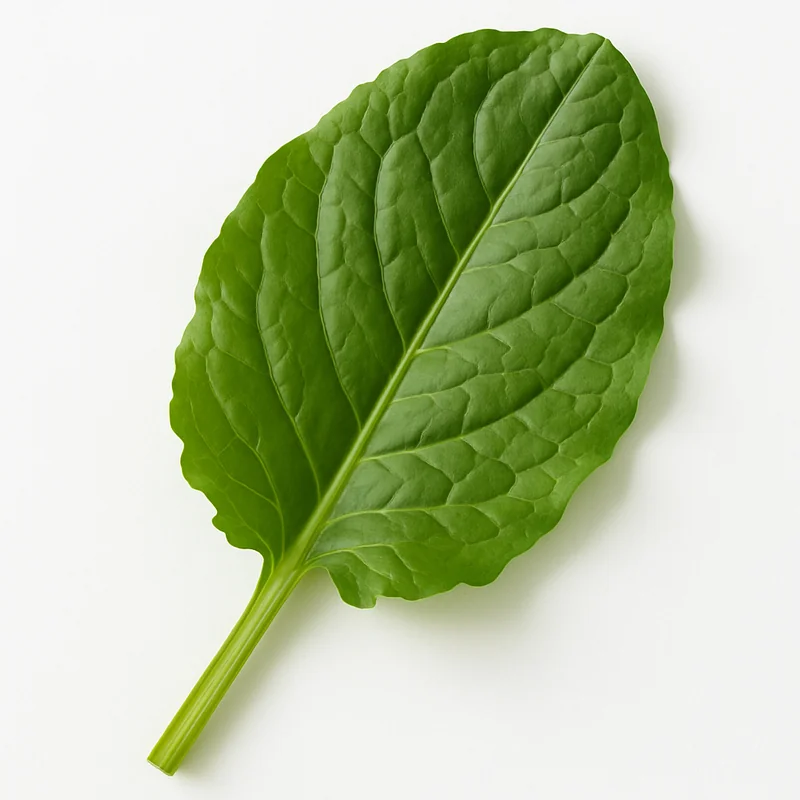
What is Lettuce actually covering?
See which nutrients your diet already delivers and which ones your supplements still need to — food and pills measured on the same scale.
Check my nutrients2 questions · free · no account needed to start
Also on iPhone — get the free app
Evidence-based supplement guides, no spam
We send a short digest when new guides drop — nothing else. No affiliate pushes, no sponsored content, unsubscribe anytime.