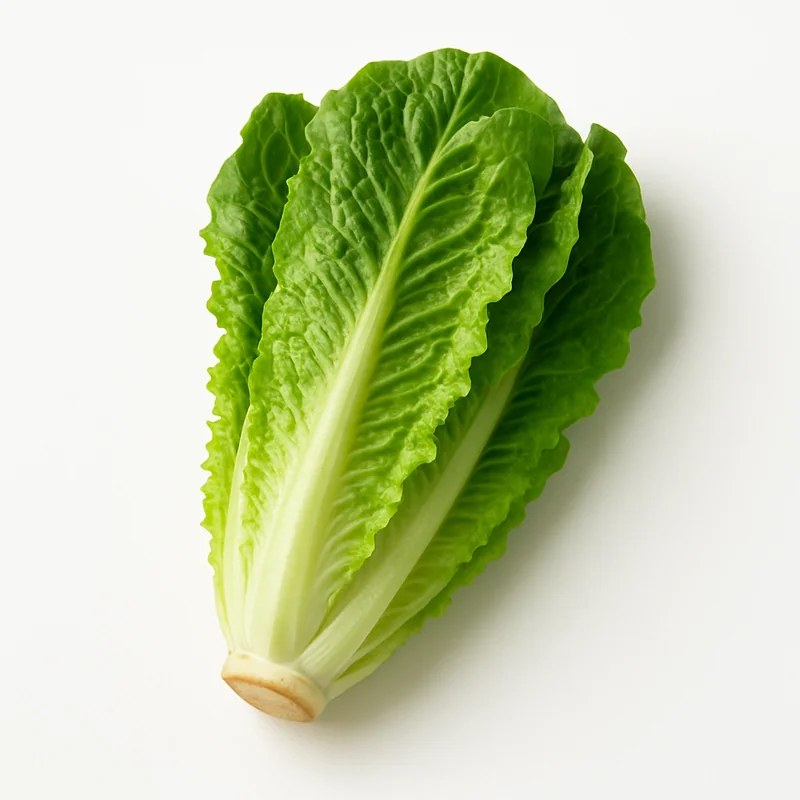
Romaine Lettuce
ScoreA+
Romaine lettuce is a nutrient-dense leafy green rich in vitamins K, C, and folate, with minimal calories and a high water content that supports hydration and satiety.
Why Romaine Lettuce scores 95
% Daily Value per ½ cup (85 g)
Nutrition
per 100 g
Health benefits
Supports bone health and cardiovascular function through vitamin K-dependent proteins
strong evidenceVitamin K activates osteocalcin and matrix Gla-protein, essential for bone mineralization and prevention of arterial calcification
Reduces oxidative stress and supports anti-inflammatory status
moderate evidencePolyphenols (quercetin, caffeic acid) and vitamin C scavenge free radicals and inhibit NF-κB inflammatory pathways
Supports cognitive and eye health through lutein and zeaxanthin accumulation
moderate evidenceCarotenoids cross the blood-brain barrier and deposit in neural tissue and macula, protecting against age-related degeneration
Promotes healthy methylation and one-carbon metabolism via folate
strong evidenceFolate serves as a methyl donor for DNA methylation, homocysteine regulation, and neurotransmitter synthesis
Supports healthy gut microbiota diversity through insoluble fiber and polyphenol substrates
moderate evidenceFiber and polyphenols serve as prebiotics, selectively feeding beneficial Bacteroidetes and Faecalibacterium species
Pairs well with
- ·Pair with extra virgin olive oil because fat-soluble vitamins (K, lutein, zeaxanthin) require lipid vehicles for intestinal absorption and transport
- ·Combine with cruciferous vegetables (broccoli, Brussels sprouts) because synergistic polyphenols enhance total antioxidant capacity and glucosinolate bioavailability
- ·Add fermented foods (sauerkraut, kimchi, tempeh) because probiotics enhance folate and vitamin K2 synthesis in the gut microbiota
- ·Pair with citrus or tomato because vitamin C enhances non-heme iron absorption from romaine and other plant sources
Practical tips
- ·Best timing: Romaine's minimal caloric and carbohydrate burden makes it suitable for any time of day or fasting state; midday and evening consumption supports satiety without disrupting metabolic clarity
- ·Store unwashed romaine in a breathable container with paper towels to maintain crispness for 7-10 days; wash only before consumption to minimize polyphenol oxidation
- ·Consume romaine raw in salads rather than cooked to preserve heat-sensitive vitamin C and optimize polyphenol bioavailability
- ·Select darker outer leaves over pale inner leaves; outer leaves contain 5-10x higher polyphenol and lutein concentrations
- ·Incorporate 1-2 cups daily as a low-calorie, high-nutrient-density base for nutrient stacking; pairs well with protein and healthy fats for satiety and meal completion
Related foods
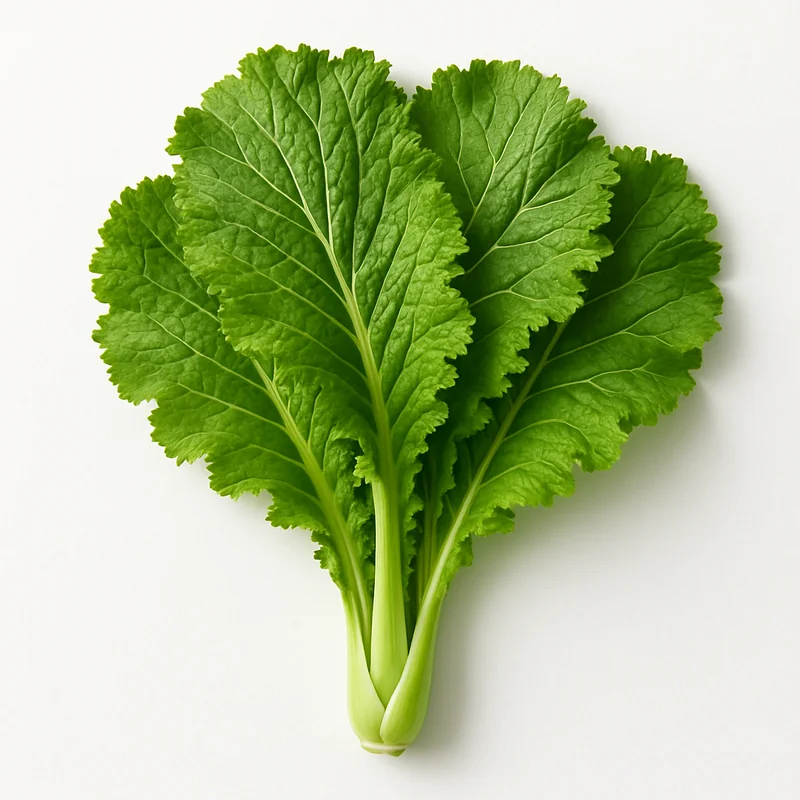
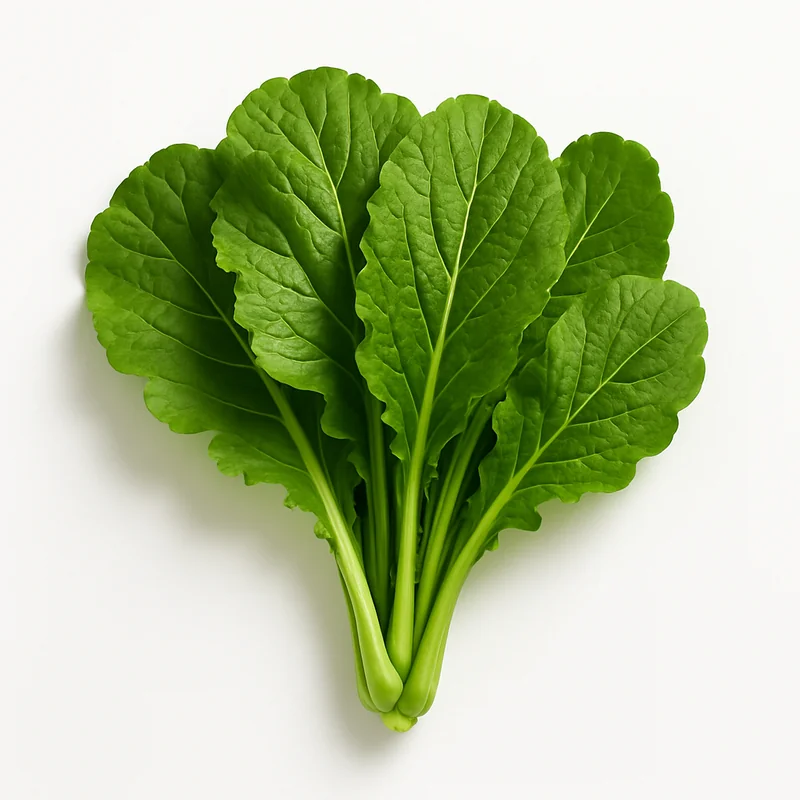
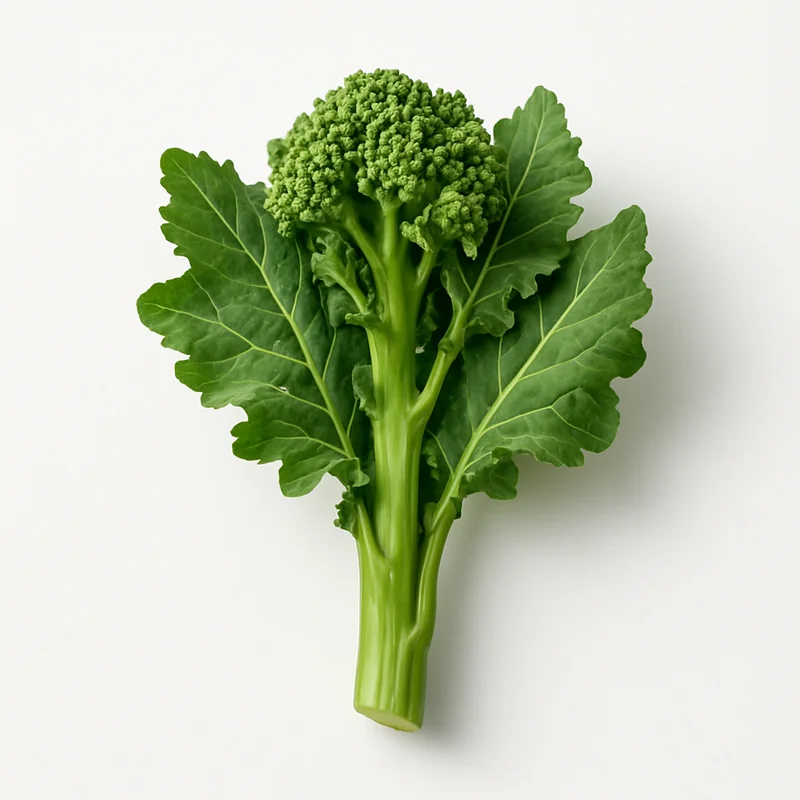
What is Romaine Lettuce actually covering?
See which nutrients your diet already delivers and which ones your supplements still need to — food and pills measured on the same scale.
Check my nutrients2 questions · free · no account needed to start
Also on iPhone — get the free app
Evidence-based supplement guides, no spam
We send a short digest when new guides drop — nothing else. No affiliate pushes, no sponsored content, unsubscribe anytime.