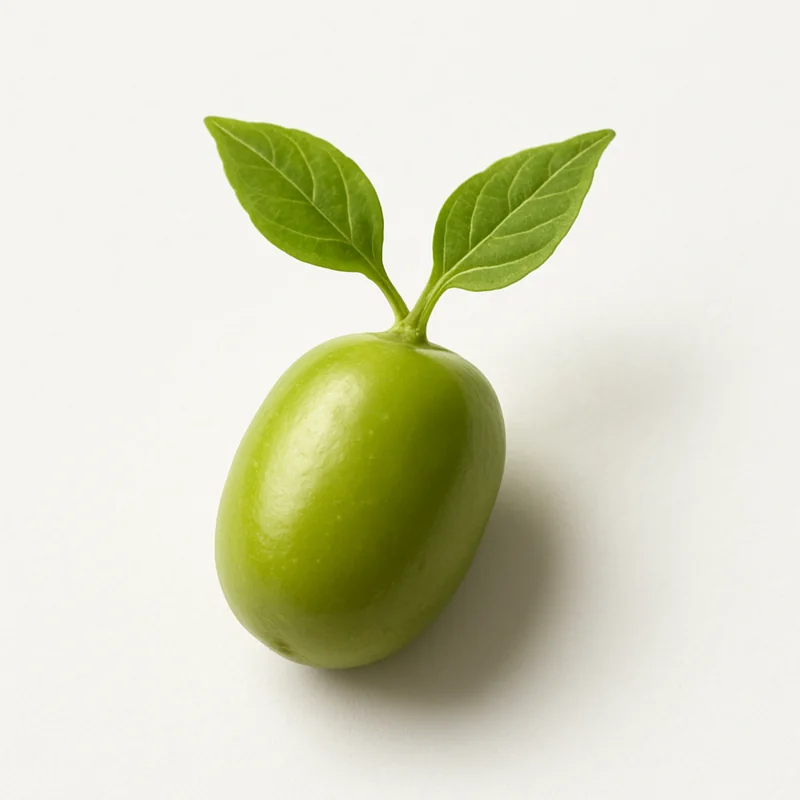
Mung Bean
ScoreA+
Mung beans are nutrient-dense legumes rich in plant-based protein, fiber, and polyphenols, offering exceptional value for metabolic health and longevity. Raw mung bean sprouts provide concentrated bioactive compounds with minimal caloric burden.
Why Mung Bean scores 91
% Daily Value per ½ cup (90 g)
Nutrition
per 100 g
Health benefits
Improved glycemic control and insulin sensitivity
moderate evidencePolyphenolic compounds (vitexin, isovitexin) and soluble fiber slow glucose absorption, reducing postprandial blood sugar spikes and supporting pancreatic beta-cell function over time
Enhanced methylation and DNA stability
strong evidenceHigh folate (61 mcg per 100g) serves as methyl donor in one-carbon metabolism, critical for telomere maintenance and epigenetic regulation associated with aging prevention
Bone health and vascular calcification prevention
strong evidenceVitamin K (33 mcg) activates osteocalcin and matrix Gla protein, supporting proper bone mineralization and preventing pathological arterial calcification
Antioxidant and anti-inflammatory protection
moderate evidencePolyphenols and flavonoids scavenge reactive oxygen species and inhibit NF-κB signaling, reducing chronic inflammation underlying age-related diseases
Gut microbiota modulation
moderate evidenceFiber and resistant starch (increased after sprouting) feed beneficial bacteria, promoting butyrate production for intestinal barrier integrity and immune homeostasis
Pairs well with
- ·Pair with leafy greens (spinach, kale) because both are vitamin K sources that work synergistically for bone and vascular health, and greens' carotenoids enhance overall antioxidant capacity
- ·Combine with fermented foods (kimchi, miso, sauerkraut) because live enzymes and probiotics amplify nutrient absorption and support the gut-brain axis critical for longevity outcomes
- ·Mix with raw garlic or ginger because organosulfur compounds (allicin) and gingerols enhance anti-inflammatory effects and improve polyphenol bioavailability
- ·Pair with citrus or tomatoes because vitamin C dramatically increases non-heme iron absorption from the mung bean sprouts, supporting mitochondrial function
Practical tips
- ·Best timing: Raw mung bean sprouts have low glycemic impact and support stable energy; optimal as breakfast component for sustained satiety, midday salad addition for nutrient density, or pre-workout for amino acid support. No circadian restriction applies; multiple small servings throughout the day optimize micronutrient distribution.
- ·Consume raw or lightly blanched (30-45 seconds) to preserve enzyme activity, polyphenol concentration, and vitamin C content; sprouting for 3-5 days at room temperature increases bioavailable folate by 30% compared to dry beans
- ·Store raw sprouts in breathable containers at 4°C for maximum 3-4 days; rinse daily to prevent bacterial overgrowth and maintain enzyme vitality
- ·To minimize phytic acid (anti-nutrient), sprout dried mung beans at home for 3-5 days rather than purchasing pre-sprouted versions, which may be heat-treated and have reduced enzyme content
- ·Combine in salads or smoothie bowls rather than cooking into curries if maximizing polyphenol and enzyme intake; if heating, add at the end to minimize nutrient degradation
- ·Source organic, heirloom varieties when possible, as some cultivars show higher polyphenol concentrations; store dry beans in cool, dark conditions to preserve viability
Related foods
What is Mung Bean actually covering?
See which nutrients your diet already delivers and which ones your supplements still need to — food and pills measured on the same scale.
Check my nutrients2 questions · free · no account needed to start
Also on iPhone — get the free app
Evidence-based supplement guides, no spam
We send a short digest when new guides drop — nothing else. No affiliate pushes, no sponsored content, unsubscribe anytime.