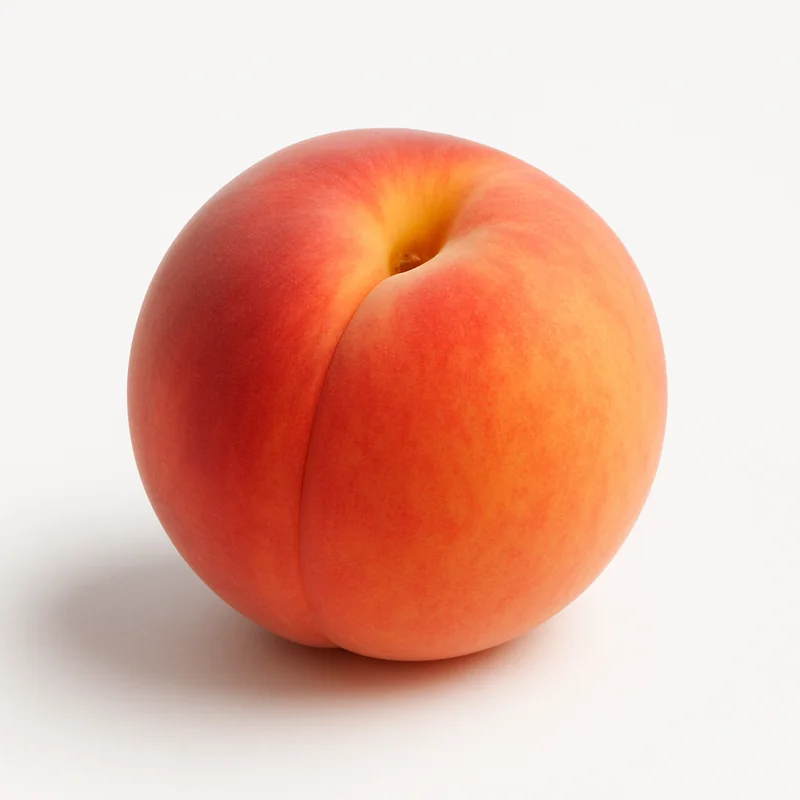
Peache
ScoreB
Peaches are a stone fruit rich in vitamin C, potassium, and polyphenolic antioxidants, offering cardiovascular and digestive support with minimal calories.
Why Peache scores 68
% Daily Value per 1 medium (140 g)
Nutrition
per 100 g
Health benefits
Cardiovascular protection through polyphenol antioxidants
moderate evidenceChlorogenic and caffeic acids reduce oxidative stress and inflammatory markers implicated in atherosclerosis, while potassium supports healthy blood pressure regulation
Digestive health and gut microbiota support
moderate evidenceSoluble fiber (1.2g/100g) acts as prebiotic substrate, promoting beneficial bacterial growth and improving bowel regularity
Antioxidant-mediated cellular protection against aging
moderate evidencePolyphenols neutralize free radicals that accumulate in tissues, reducing oxidative damage linked to age-related diseases
Eye health optimization via carotenoid content
moderate evidenceCryptoxanthin converts to retinol supporting macular pigment density and reducing age-related macular degeneration risk
Metabolic flexibility and weight management support
moderate evidenceLow caloric density (72 kcal/100g) with high water and fiber content promotes satiety without glucose spikes, supporting healthy weight maintenance
Pairs well with
- ·Pair with almonds or walnuts because their vitamin E and selenium synergize with peach polyphenols to enhance antioxidant protection and reduce inflammation
- ·Combine with Greek yogurt because the protein slows gastric emptying, stabilizing blood glucose response and extending satiety from the fruit's natural sugars
- ·Pair with ginger or cinnamon because these spices enhance polyphenol absorption and provide additional anti-inflammatory compounds for additive cardiovascular benefit
- ·Combine with black tea because catechins in tea work synergistically with peach polyphenols to amplify antioxidant capacity and improve endothelial function
Practical tips
- ·Best timing: midday
- ·Consume peach skin when possible, as antioxidant concentration is 2-3x higher in skin than flesh—wash thoroughly if not organic to minimize pesticide residue
- ·Select peaches that yield slightly to gentle palm pressure and have a sweet aroma; these indicate peak ripeness and maximum polyphenol development
- ·Store ripe peaches in the refrigerator (32-40°F) to slow ethylene production and preserve antioxidant content for up to one week
- ·Consume fresh peaches within 2-3 days of ripening for maximum bioactive compound availability; freezing preserves fiber and minerals but degrades some heat-sensitive polyphenols
Related foods


What is Peache actually covering?
See which nutrients your diet already delivers and which ones your supplements still need to — food and pills measured on the same scale.
Check my nutrients2 questions · free · no account needed to start
Also on iPhone — get the free app
Evidence-based supplement guides, no spam
We send a short digest when new guides drop — nothing else. No affiliate pushes, no sponsored content, unsubscribe anytime.