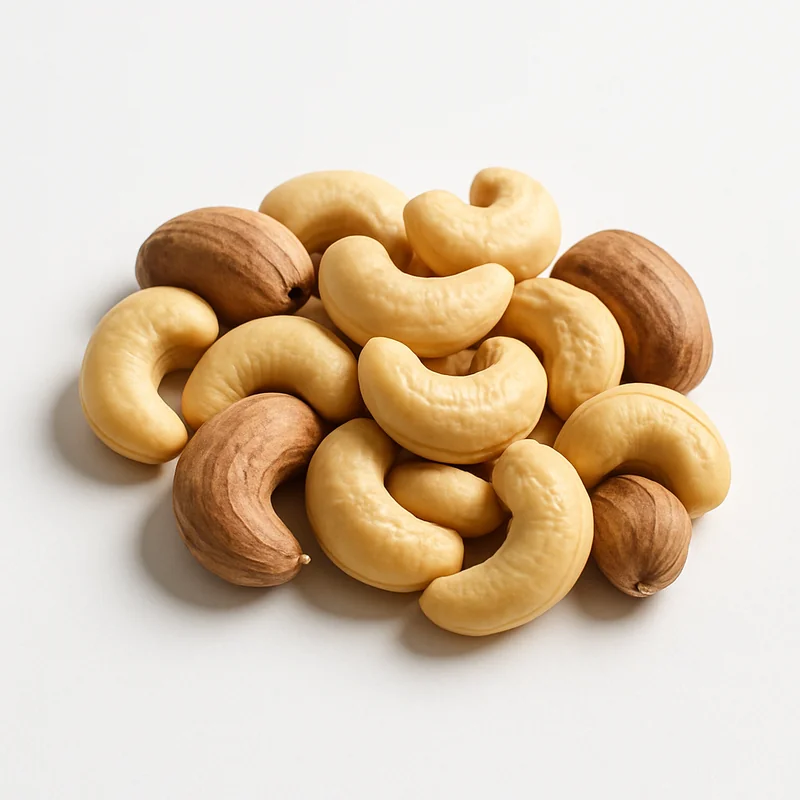
Cashews
ScoreA
Cashews are nutrient-dense tree nuts rich in heart-healthy monounsaturated fats, copper, and magnesium, offering a balanced macronutrient profile that supports cardiovascular and metabolic health.
Why Cashews scores 78
% Daily Value per 1 oz (28 g)
Nutrition
per 100 g
Health benefits
Cardiovascular disease risk reduction through monounsaturated fat intake
strong evidenceMonounsaturated fats improve endothelial function, reduce LDL oxidation, and support favorable HDL/total cholesterol ratios; cashews' 43.8g total fat is ~65% monounsaturated fat, exceeding many nuts in this protective lipid class
Enhanced copper bioavailability and collagen synthesis optimization
moderate evidenceCopper is a cofactor for lysyl oxidase and tyrosinase, enzymes critical for collagen cross-linking and skin/joint structural integrity; cashews provide exceptional bioavailable copper density
Improved insulin sensitivity and blood glucose control
moderate evidenceMagnesium activates insulin receptor tyrosine kinase and enhances glucose transporter function; the fat and fiber matrix in cashews slows carbohydrate absorption, lowering postprandial glycemic response
Bone mineral density preservation through mineral synergy
moderate evidenceMagnesium, phosphorus, and zinc work synergistically in osteoblast function and mineralization; copper supports bone collagen matrix formation
Mitochondrial energy metabolism support
emerging evidenceCopper serves as an electron carrier in Complex IV of the electron transport chain; magnesium activates ATP synthase; both minerals are cofactors in oxidative phosphorylation
Pairs well with
- ·Pair with citrus fruits (lemon, orange) because vitamin C enhances non-heme iron and copper bioavailability from cashews, improving mineral absorption by up to 3-4 fold
- ·Combine with leafy greens (spinach, kale) because the fat-soluble vitamin K in greens is better absorbed when consumed with cashews' monounsaturated fat, supporting bone metabolism synergy
- ·Mix with cinnamon or turmeric because these spices contain polyphenols that may reduce postprandial glucose spike and provide complementary anti-inflammatory compounds
- ·Pair with whole grains (quinoa, farro) because the complete amino acid profile from grains combined with cashew's protein creates a complete plant-based protein source with superior mineral density
Practical tips
- ·Best timing: midday
- ·Select raw or dry-roasted cashews rather than oil-roasted varieties to avoid excess oxidized oils; store in airtight containers in cool, dark conditions to prevent lipid peroxidation
- ·Consume cashews with whole food carbohydrates rather than in isolation to moderate blood glucose response and enhance satiety; aim for 1 oz (28g) as an optimal single serving
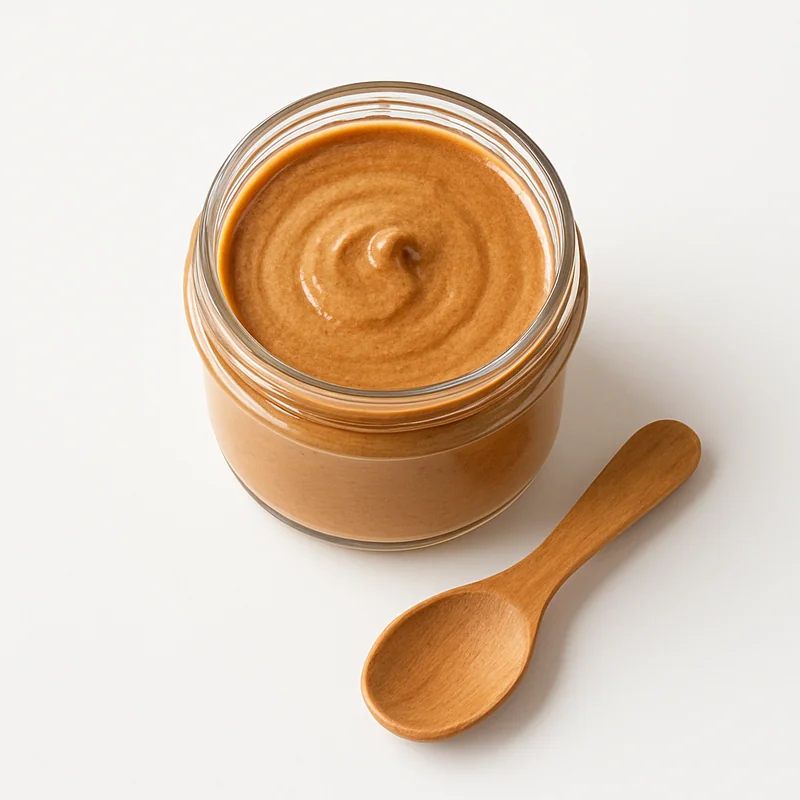
- ·Soak raw cashews 2-4 hours before blending into creams or butters to reduce phytic acid (an antinutrient that can inhibit mineral absorption) by 15-25%
- ·Incorporate cashews into post-workout meals (within 30-90 minutes) to pair their carbohydrates and minerals with protein-rich foods for glycogen repletion and muscle recovery
Related foods
What is Cashews actually covering?
See which nutrients your diet already delivers and which ones your supplements still need to — food and pills measured on the same scale.
Check my nutrients2 questions · free · no account needed to start
Also on iPhone — get the free app
Evidence-based supplement guides, no spam
We send a short digest when new guides drop — nothing else. No affiliate pushes, no sponsored content, unsubscribe anytime.