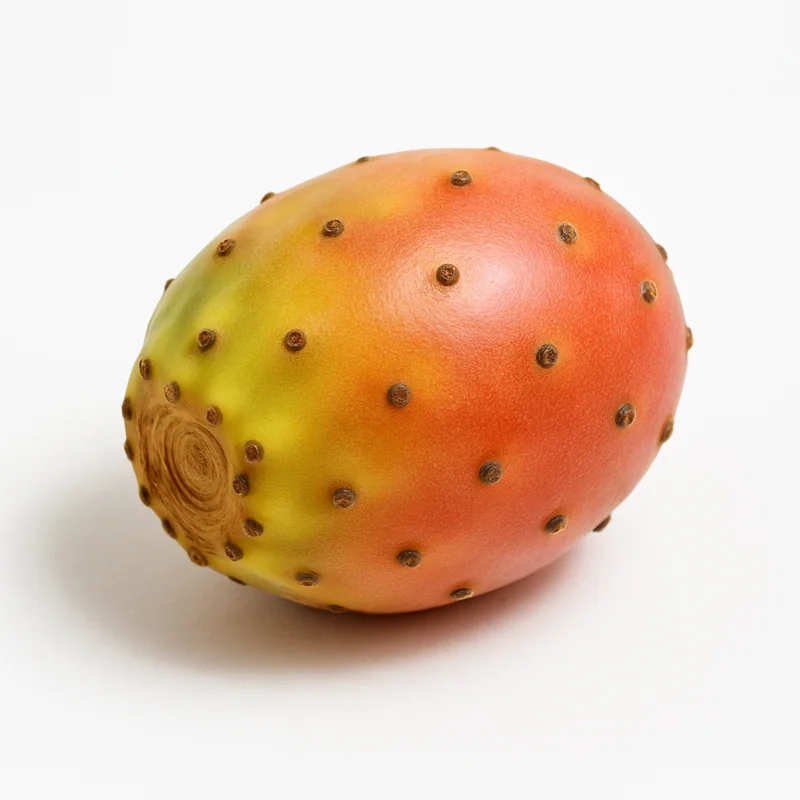
Prickly Pear
ScoreA+
Prickly pear is a low-calorie fruit rich in fiber, calcium, and antioxidants, offering significant metabolic and cardiovascular benefits with minimal glycemic impact.
Why Prickly Pear scores 93
% Daily Value per 1 medium (140 g)
Nutrition
per 100 g
Health benefits
Improved glycemic control and reduced postprandial glucose spikes
moderate evidenceSoluble fiber (pectin, mucilage) slows gastric emptying and glucose absorption; polyphenols inhibit alpha-glucosidase enzymes in the small intestine
Enhanced lipid metabolism and cholesterol reduction
moderate evidenceHigh pectin content binds bile acids and increases their fecal excretion; polyphenols reduce hepatic cholesterol synthesis and LDL oxidation
Improved renal function and electrolyte balance
moderate evidenceHigh potassium-to-sodium ratio (130:4) supports potassium-dependent kidney filtration; magnesium enhances glomerular filtration rate
Reduced systemic inflammation and oxidative stress
moderate evidenceBetalains and polyphenolic compounds inhibit NF-κB activation and pro-inflammatory cytokine production; antioxidants scavenge reactive oxygen species
Bone mineral density support and calcium bioavailability
emerging evidence180mg calcium per 100g with favorable phosphorus ratio; magnesium facilitates osteoblast function and bone matrix formation
Pairs well with
- ·Pair with olive oil or nuts because lipids enhance absorption of fat-soluble polyphenols and betalains, increasing bioavailability of antioxidants by up to 3-4 fold
- ·Combine with leafy greens (spinach, kale) because complementary mineral profiles optimize calcium and magnesium synergism for bone health
- ·Mix with Greek yogurt because probiotics enhance polyphenol metabolism via microbiota-driven production of phenolic metabolites with greater bioactivity
- ·Pair with citrus fruits (lemon, lime) because ascorbic acid stabilizes heat-sensitive betalains and enhances non-heme iron absorption from the prickly pear
Practical tips
- ·Best timing: midday
- ·Select prickly pears with deep red or magenta coloring, indicating higher betalain concentration; firm fruits store 2-3 weeks refrigerated
- ·Remove spines carefully using tongs and running water, or purchase pre-cleaned varieties; the edible seeds provide additional fiber and polyphenols
- ·Consume skin when possible, as the outer peel contains concentrated polyphenolic compounds; blend into smoothies for complete nutrient utilization
- ·Fresh prickly pear juice is more bioavailable than dried forms; if juicing, consume within 30 minutes to preserve heat-sensitive vitamin C and betalains
- ·For individuals on potassium-restricted diets (kidney disease), consult a healthcare provider; prickly pear's high potassium may require dosage adjustment
Related foods
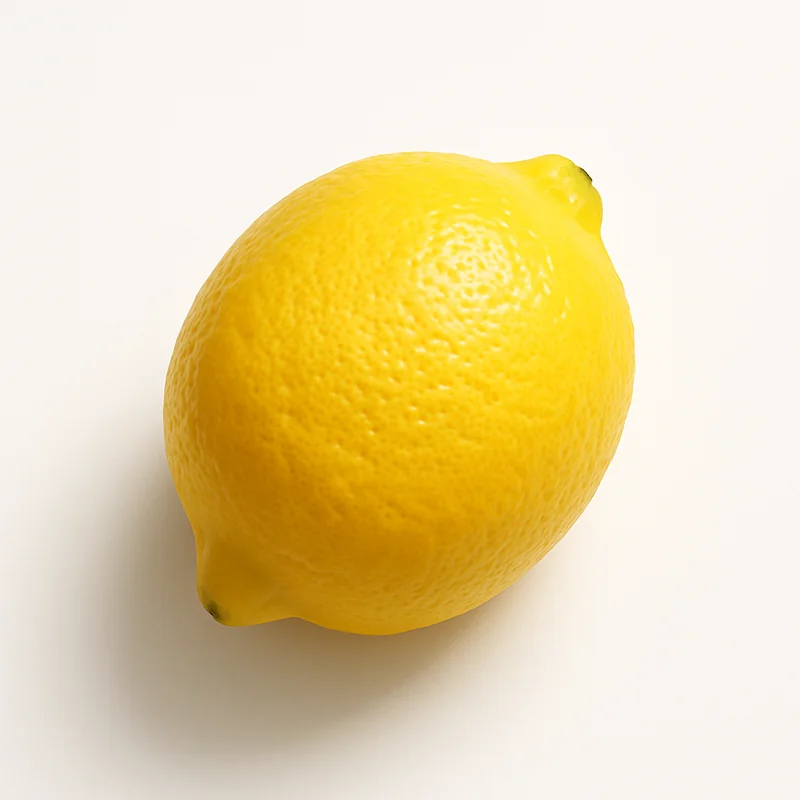
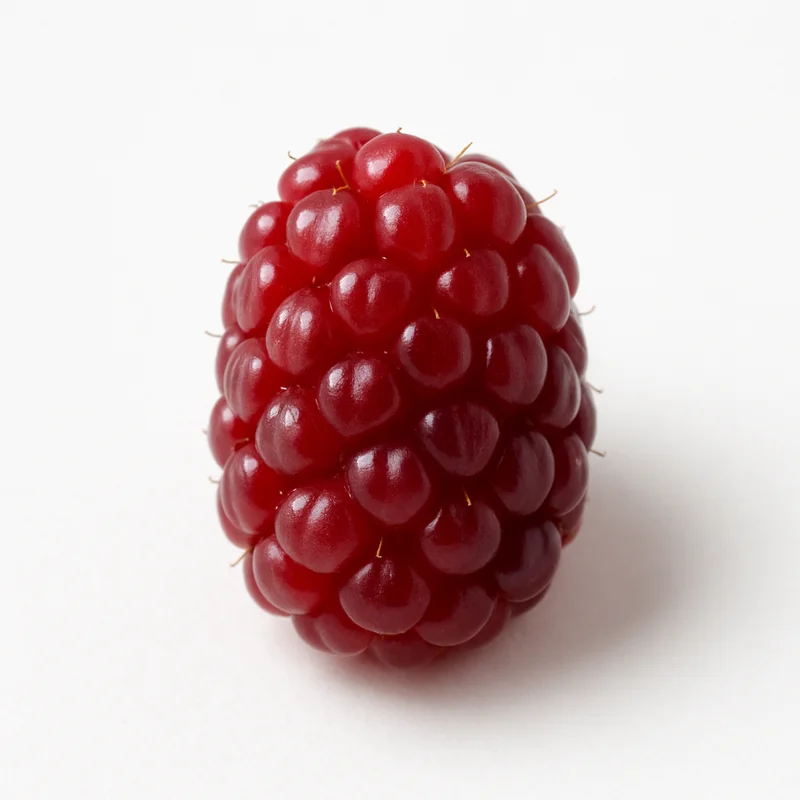
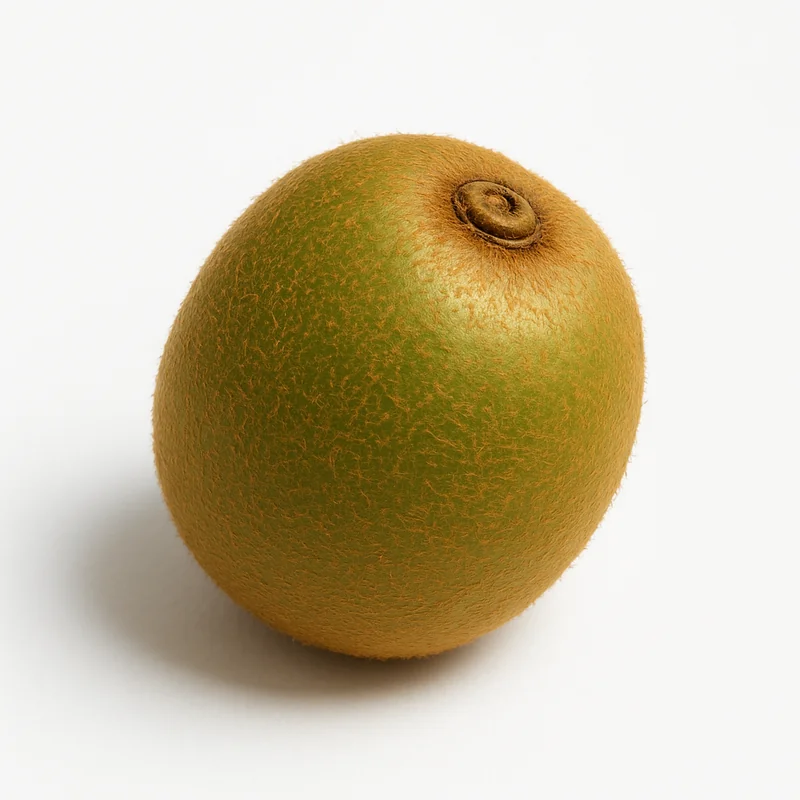
What is Prickly Pear actually covering?
See which nutrients your diet already delivers and which ones your supplements still need to — food and pills measured on the same scale.
Check my nutrients2 questions · free · no account needed to start
Also on iPhone — get the free app
Evidence-based supplement guides, no spam
We send a short digest when new guides drop — nothing else. No affiliate pushes, no sponsored content, unsubscribe anytime.