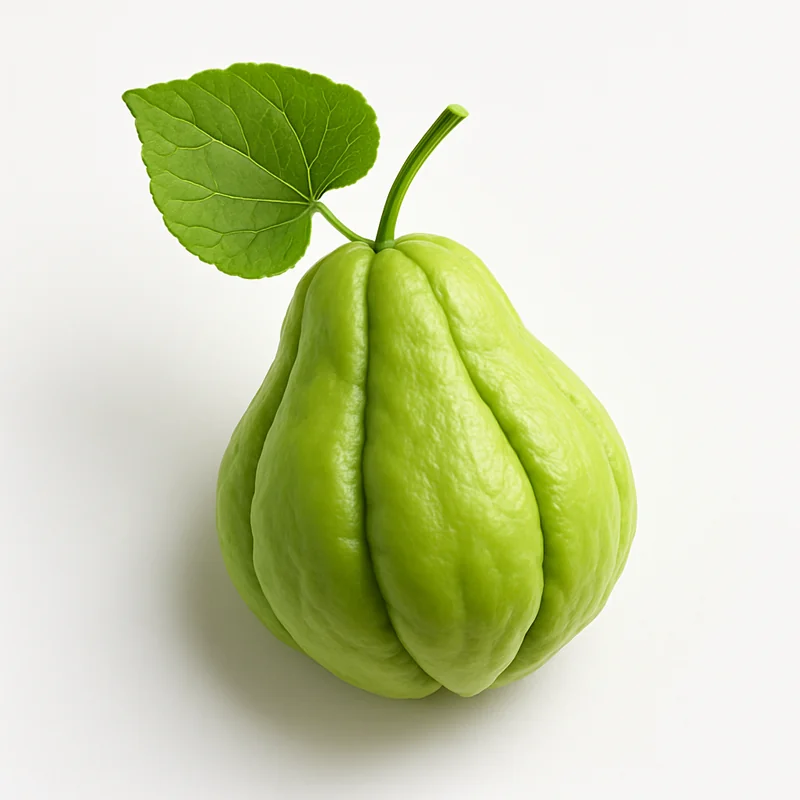
Chayote
ScoreA+
Chayote is a mild, pale green squash native to Mesoamerica with extremely low calorie density and notable potassium and folate content, making it an ideal vegetable for nutrient-rich, calorie-restricted eating patterns.
Why Chayote scores 90
% Daily Value per ½ cup (85 g)
Nutrition
per 100 g
Health benefits
Supports cardiovascular health through homocysteine regulation
strong evidenceFolate (93 mcg/100g) serves as a cofactor in one-carbon metabolism, helping convert homocysteine to methionine; elevated homocysteine is an independent risk factor for atherosclerosis and cardiovascular disease
Promotes fluid balance and kidney function
strong evidenceHigh potassium-to-sodium ratio (125:2 mg) supports healthy blood pressure regulation and intracellular electrolyte balance without sodium-related fluid retention
Supports healthy aging through low glycemic load
moderate evidenceLow carbohydrate density (4.51g/100g) and modest fiber content (1.7g) minimize blood glucose spikes, reducing chronic inflammation markers associated with aging
May reduce inflammation through polyphenol content
emerging evidenceChayote contains chlorogenic acid and other phenolic compounds that exhibit antioxidant and anti-inflammatory properties in in vitro studies
Pairs well with
- ·Pair with olive oil and lemon because fat-soluble absorption is minimal for chayote micronutrients, but the acidic pairing enhances folate bioavailability and adds flavor to mild flesh
- ·Combine with leafy greens (spinach, kale) because complementary nutrient profiles—chayote provides potassium while greens provide additional folate and phytonutrients for synergistic antioxidant effects
- ·Cook alongside cruciferous vegetables (broccoli, cauliflower) because both are low-calorie, nutrient-dense bases that create balanced, anti-inflammatory meals without competing flavors
- ·Pair with legumes (lentils, beans) because chayote's low protein content complements legume protein, and combined fiber supports prebiotic fermentation for gut microbiome health
Practical tips
- ·Best timing: Chayote's low calorie density, absence of stimulating compounds, and balanced macronutrient profile make it suitable for any meal; potassium content supports daytime hydration and evening electrolyte balance
- ·Store chayote at room temperature for up to 2 weeks or refrigerate for 3-4 weeks; the seed inside remains edible when cooked and adds subtle nutty flavor
- ·Blanch lightly or steam for 5-8 minutes to preserve folate and heat-sensitive vitamins; avoid prolonged boiling which leaches water-soluble nutrients
- ·Select firm, unblemished specimens with thin skin; thinner-skinned varieties are more tender and require minimal peeling
- ·The leaves (chayote tops) are also edible and exceptionally nutritious—steam or sauté as you would spinach for additional micronutrient density
Related foods
What is Chayote actually covering?
See which nutrients your diet already delivers and which ones your supplements still need to — food and pills measured on the same scale.
Check my nutrients2 questions · free · no account needed to start
Also on iPhone — get the free app
Evidence-based supplement guides, no spam
We send a short digest when new guides drop — nothing else. No affiliate pushes, no sponsored content, unsubscribe anytime.