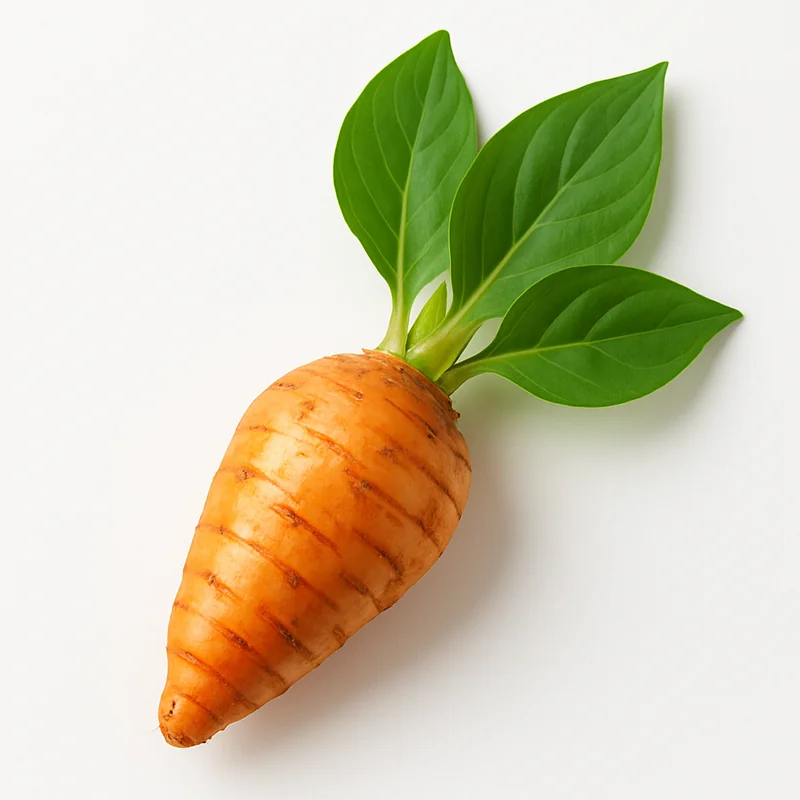
Arrowroot
ScoreA
Arrowroot is a starchy tuber rich in potassium and folate, providing easily digestible carbohydrates with minimal fat and a gentle nutrient profile suitable for digestive health.
Why Arrowroot scores 85
% Daily Value per ½ cup (85 g)
Nutrition
per 100 g
Health benefits
Supports cardiovascular health through potassium-rich composition
strong evidencePotassium regulates blood pressure by counteracting sodium-induced vasoconstriction and supporting endothelial function, reducing hypertension and stroke risk
Promotes homocysteine metabolism and vascular health
strong evidenceFolate (338mcg per 100g) is a critical cofactor in one-carbon metabolism, enabling conversion of homocysteine to methionine; elevated homocysteine is an independent cardiovascular risk factor
Enhances iron bioavailability and erythropoiesis
moderate evidenceArrowroot's 2.22mg iron content, combined with its low phytate profile, supports non-heme iron absorption; adequate iron maintains cognitive function and mitochondrial efficiency in aging
Supports digestive resilience and gut barrier integrity
moderate evidenceEasily digestible starch with minimal antinutrient content reduces intestinal inflammatory load; appropriate for recovery phases or compromised GI function
Stabilizes glucose metabolism with moderate glycemic impact
moderate evidenceWhile carbohydrate-dense, arrowroot's starch structure and low glycemic load support steady energy availability without sharp insulin spikes
Pairs well with
- ·Pair with leafy greens (spinach, kale) because folate synergy enhances homocysteine reduction and the greens' vitamin K supports bone mineralization alongside arrowroot's mineral density
- ·Combine with vitamin C sources (citrus, tomato) because ascorbic acid dramatically increases non-heme iron absorption, maximizing the bioavailability of arrowroot's 2.22mg iron
- ·Pair with legumes (lentils, beans) because complementary amino acid profiles enhance complete protein formation, while legume polyphenols support arrowroot's digestive gentleness
- ·Combine with omega-3 sources (salmon, walnuts) because together they support cardiovascular health; the potassium in arrowroot synergizes with omega-3s for blood pressure regulation
Practical tips
- ·Best timing: midday
- ·Select firm, unblemished tubers without soft spots or sprouting; store in cool, dark, well-ventilated conditions (50-60°F optimal) to prevent sprouting and microbial growth
- ·Peel arrowroot just before cooking to minimize oxidative nutrient loss; steam or boil gently (15-20 minutes) rather than prolonged cooking to preserve folate and B vitamins
- ·For maximum iron absorption, consume arrowroot with meals containing vitamin C and avoid pairing with high-tannin beverages (tea, coffee) that inhibit iron bioavailability
- ·Use arrowroot powder as a gentle thickening agent in broths and soups for individuals with IBS or post-illness recovery; its low fiber and minimal antinutrients make it ideal for compromised digestion
- ·Incorporate 75-100g cooked arrowroot 2-3x weekly as part of a carbohydrate rotation to maintain metabolic flexibility while leveraging its potassium and folate density
Related foods
What is Arrowroot actually covering?
See which nutrients your diet already delivers and which ones your supplements still need to — food and pills measured on the same scale.
Check my nutrients2 questions · free · no account needed to start
Also on iPhone — get the free app
Evidence-based supplement guides, no spam
We send a short digest when new guides drop — nothing else. No affiliate pushes, no sponsored content, unsubscribe anytime.