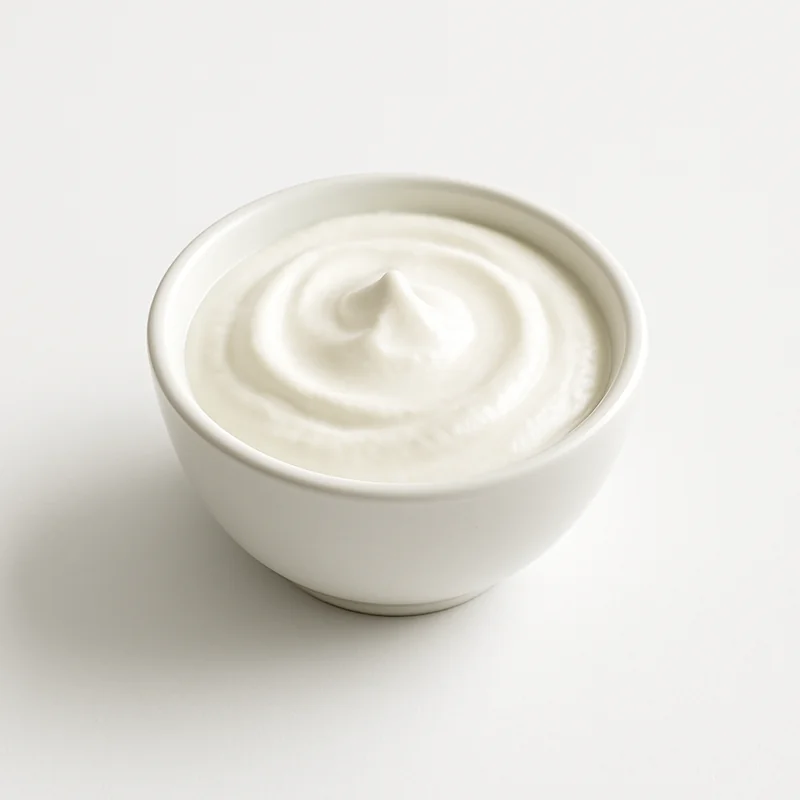
Greek Yogurt
ScoreA
Greek yogurt is a protein-rich dairy product containing 10.2g of protein per 100g, along with bioavailable calcium and probiotics that support muscle maintenance and gut health.
Why Greek Yogurt scores 86
% Daily Value per 1 cup (245 g)
Nutrition
per 100 g
Health benefits
Supports muscle mass maintenance and strength in aging populations
strong evidenceHigh protein content (10.2g/100g) provides essential amino acids, particularly leucine, which activates mTOR signaling for muscle protein synthesis; helps counteract age-related muscle loss (sarcopenia)
Promotes gut microbiome diversity and intestinal health
moderate evidenceLive cultures including Lactobacillus and Streptococcus species enhance beneficial bacterial colonization, strengthen intestinal barrier function, and reduce intestinal permeability ('leaky gut')
Supports bone health and density preservation
strong evidenceBioavailable calcium (110mg/100g) and phosphorus (153mg/100g) are direct substrates for bone mineralization; protein facilitates calcium absorption and reduces bone resorption markers
Improves glycemic control and supports metabolic health
moderate evidenceHigh protein and low carbohydrate content slows gastric emptying, reduces postprandial glucose spikes, and increases satiety hormones; supports insulin sensitivity
Enhances immune function through gut-immune axis modulation
moderate evidenceProbiotics stimulate IgA production in gut-associated lymphoid tissue and strengthen epithelial tight junctions, improving intestinal barrier immunity
Pairs well with
- ·Pair with berries (blueberries, raspberries) because polyphenols enhance probiotic survival and provide synergistic antioxidant protection for cellular longevity
- ·Pair with ground flaxseeds or chia seeds because soluble fiber feeds beneficial bacteria (prebiotic effect) while omega-3s reduce systemic inflammation
- ·Pair with raw honey (small amounts) because honey's minor antimicrobial compounds support probiotic selectivity and provide quick carbohydrates for post-workout recovery
- ·Pair with nuts (almonds, walnuts) because fat-soluble vitamin absorption improves with fat, and combined protein optimizes amino acid profile completeness
- ·Pair with leafy greens (spinach in smoothies) because vitamin K from greens works synergistically with yogurt's calcium and protein for bone metabolism
Practical tips
- ·Best timing: post-workout
- ·Choose plain, unsweetened varieties and check ingredient lists to ensure live and active cultures are present; avoid products with added sugars or artificial sweeteners that may disrupt glucose metabolism
- ·Consume within 1-2 weeks of purchase and store at 35-40°F (1-4°C) to maintain probiotic viability; fermentation continues slowly in refrigeration, potentially increasing beneficial bacteria count
- ·Select full-fat or 2% varieties over non-fat versions; fat content enhances absorption of fat-soluble vitamins and improves satiety without significant longevity drawbacks
- ·If lactose-intolerant, note that Greek yogurt contains less lactose than milk due to straining; further fermentation during storage reduces lactose further
- ·Consider making your own Greek yogurt by straining regular yogurt through cheesecloth to control quality, avoid additives, and customize thickness for meals
Related foods
What is Greek Yogurt actually covering?
See which nutrients your diet already delivers and which ones your supplements still need to — food and pills measured on the same scale.
Check my nutrients2 questions · free · no account needed to start
Also on iPhone — get the free app
Evidence-based supplement guides, no spam
We send a short digest when new guides drop — nothing else. No affiliate pushes, no sponsored content, unsubscribe anytime.