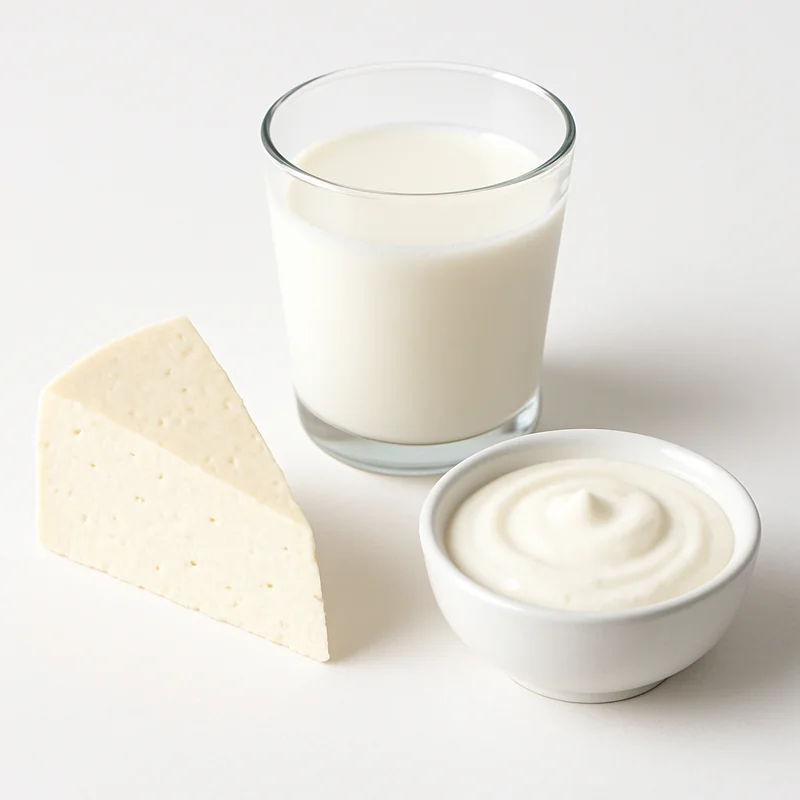
Kefir
ScoreA
Kefir is a fermented dairy beverage rich in probiotics, protein, and bioavailable calcium, offering unique benefits for gut health and nutrient absorption.
Why Kefir scores 82
% Daily Value per 1 cup (245 g)
Nutrition
per 100 g
Health benefits
Enhanced gut microbiome diversity and microbial balance
moderate evidenceKefir contains 10-60+ different bacterial and yeast species that establish diverse microbial populations; polysaccharides like kefiran act as prebiotic substrates, feeding beneficial bacteria and improving microbial richness.
Improved intestinal barrier function and reduced systemic inflammation
moderate evidenceProbiotics in kefir increase tight junction protein expression, strengthen the epithelial barrier, and produce short-chain fatty acids that reduce lipopolysaccharide translocation and pro-inflammatory markers.
Enhanced calcium absorption and bone health support
strong evidenceFermentation lowers pH and increases organic acid content, enhancing calcium solubility and absorption; lactose reduction eliminates malabsorption in sensitive individuals, improving net bioavailability of the 119mg calcium per 100g.
Improved lactose tolerance despite dairy source
strong evidenceLactic acid bacteria and yeasts metabolize lactose during fermentation, reducing final lactose content to negligible levels while producing lactase enzyme, enabling consumption by lactose-sensitive individuals.
Potential antimicrobial and immune-modulating effects
emerging evidenceKefir-derived bacteriocins and organic acids inhibit pathogenic bacteria; bioactive peptides from casein hydrolysis exhibit immunomodulatory properties affecting T-cell and IgA production.
Pairs well with
- ·Pair with berries (blueberries, blackberries) because anthocyanins have prebiotic effects and synergize with kefir's probiotics to amplify anti-inflammatory signaling.
- ·Pair with ground flaxseed or chia seeds because soluble fiber feeds kefir's probiotic strains, enhancing short-chain fatty acid production and improving colon health.
- ·Pair with raw garlic or onions because inulin and fructooligosaccharides act as prebiotics, selectively promoting growth of beneficial Lactobacillus and Bifidobacterium species.
- ·Pair with turmeric because curcumin's anti-inflammatory effects compound with kefir's barrier-strengthening probiotics, creating additive benefits for gut mucosal integrity.
- ·Pair with honey because its minor antimicrobial compounds complement kefir's native bacteriocins, and its minor trace elements support probiotic viability.
Practical tips
- ·Best timing: Kefir can be consumed any time of day; however, morning or with meals optimizes probiotic survival through gastric passage. Evening consumption may support overnight microbiome activity and next-morning regularity.
- ·Choose plain, unsweetened kefir with 'live and active cultures' on the label; avoid heat-treated varieties which kill probiotics—check for >1 billion CFU per serving.
- ·Store unopened kefir at 4°C and consume within 2 weeks of purchase; opened bottles should be consumed within 7-10 days to maintain probiotic viability.
- ·Start with 100-150ml daily if new to kefir; gradually increase to 200-300ml to allow your microbiome to adapt and minimize potential digestive discomfort from die-off.
- ·Consume kefir at room temperature or slightly chilled rather than ice-cold, as cold temperatures may temporarily reduce probiotic activity upon ingestion.
- ·If lactose-sensitive, test tolerance with small amounts first; most people tolerate kefir well, but individual responses vary based on existing microbiome composition.
Related foods
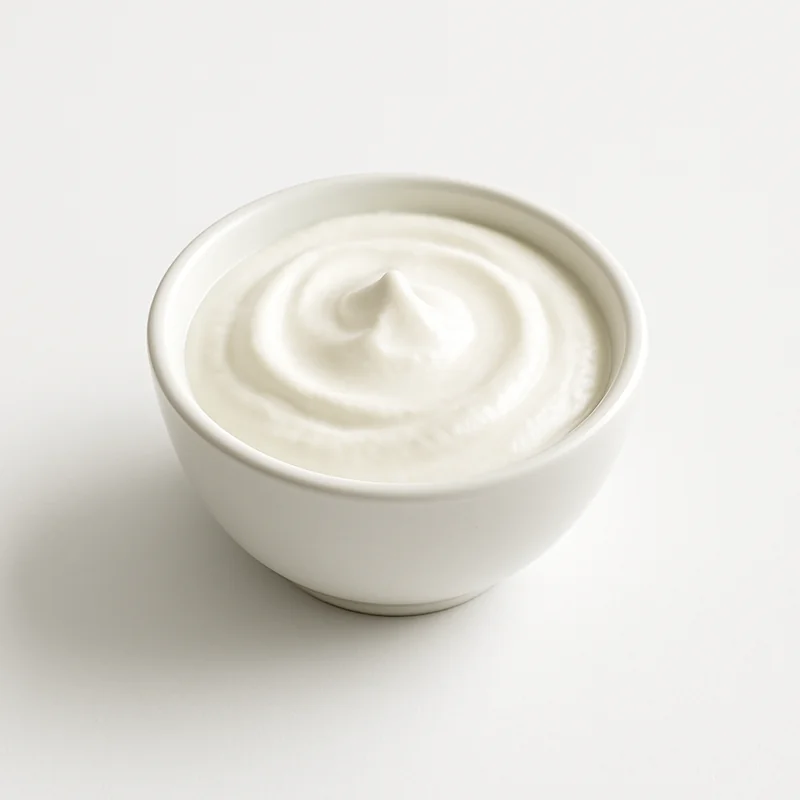
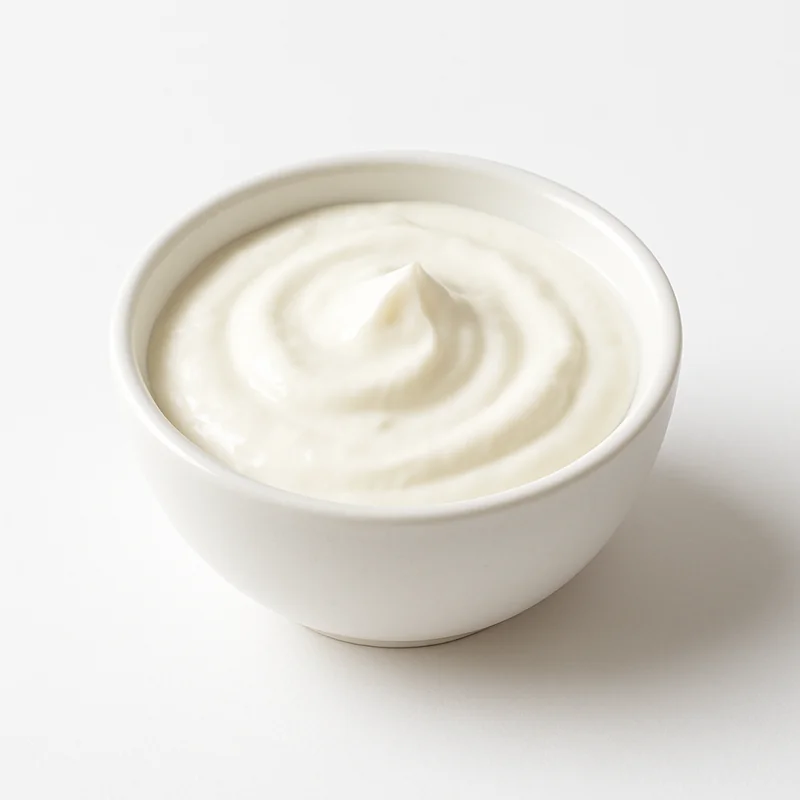
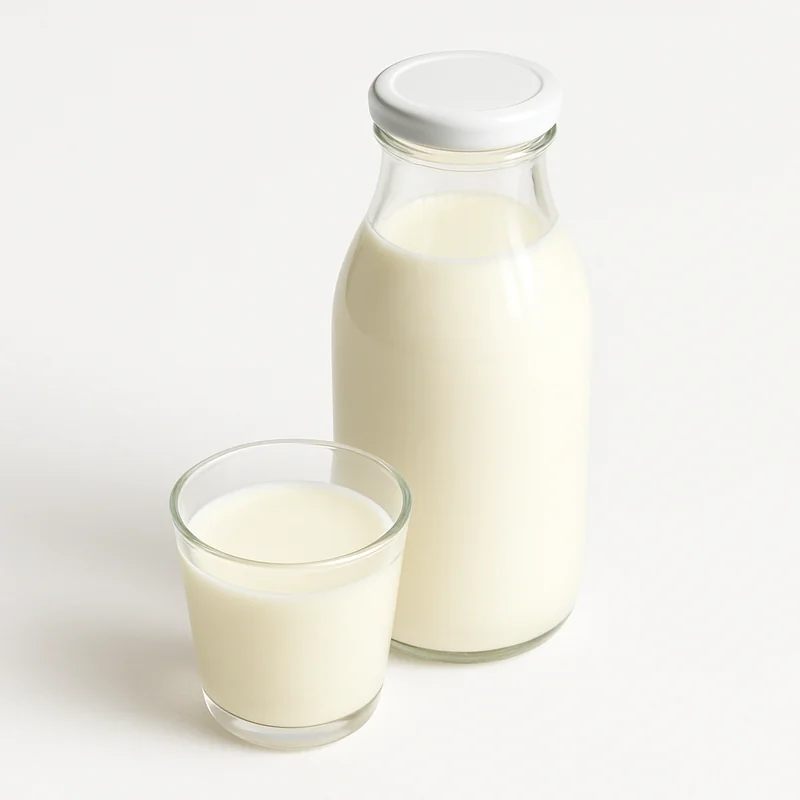
What is Kefir actually covering?
See which nutrients your diet already delivers and which ones your supplements still need to — food and pills measured on the same scale.
Check my nutrients2 questions · free · no account needed to start
Also on iPhone — get the free app
Evidence-based supplement guides, no spam
We send a short digest when new guides drop — nothing else. No affiliate pushes, no sponsored content, unsubscribe anytime.