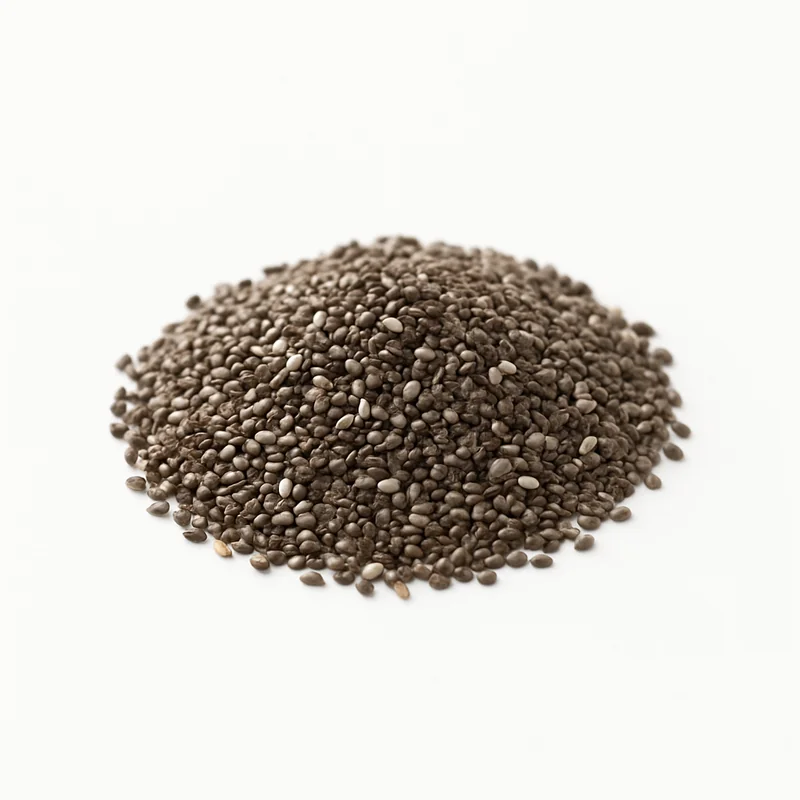
Chia Seed
ScoreA
Chia seeds are nutrient-dense pseudocereals rich in plant-based omega-3 fatty acids, fiber, and minerals, offering substantial protein content with minimal calories per serving.
Why Chia Seed scores 82
% Daily Value per 1 oz (28 g)
Nutrition
per 100 g
Health benefits
Improved blood glucose control and reduced postprandial glucose spikes
moderate evidenceSoluble fiber and mucilage content slow gastric emptying and reduce carbohydrate absorption rate, preventing rapid blood sugar elevation
Enhanced cardiovascular health through improved lipid profiles
moderate evidenceALA omega-3 fatty acids and fiber reduce LDL cholesterol and triglycerides while supporting HDL cholesterol; polyphenols provide vasodilatory effects
Increased satiety and metabolic support for weight management
moderate evidenceHigh fiber and protein content, combined with gel-forming mucilage, promotes prolonged fullness signals and stable appetite hormones
Support for gut microbiota diversity and colonic health
moderate evidencePrebiotic fiber ferments in the colon, selectively feeding beneficial Firmicutes and Bacteroidetes species, promoting short-chain fatty acid production
Reduced inflammation and oxidative stress markers
emerging evidencePolyphenols (chlorogenic, caffeic, and quercetin compounds) function as free radical scavengers, reducing pro-inflammatory cytokine production
Pairs well with
- ·Pair with vitamin C-rich foods (citrus, berries) because ascorbic acid enhances non-heme iron absorption from chia seeds, improving bioavailability by up to 3-4 fold
- ·Combine with fatty fish (salmon) or flaxseeds because the synergistic omega-3 profile (ALA + EPA/DHA) optimizes inflammatory resolution and cardiovascular protection
- ·Mix with fermented dairy (Greek yogurt) because probiotics and chia's prebiotic fiber create a symbiotic effect, enhancing beneficial bacterial colonization
- ·Add to leafy greens (spinach, kale) because the fat-soluble vitamin K is enhanced by chia's lipid content, and minerals combine for bone health synergy
Practical tips
- ·Best timing: Chia seeds can be consumed at any time due to their balanced macronutrient profile and lack of stimulating compounds. However, morning consumption with breakfast or as part of overnight oats leverages their satiety-promoting properties for appetite control throughout the day. Evening consumption is equally valid for supporting sustained glucose stability during sleep.
- ·Soak chia seeds in liquid (water, milk, or juice) for 15-30 minutes before consumption to activate their gel-forming properties and improve digestive tolerance, reducing potential bloating
- ·Store in cool, dark conditions or refrigerate after opening; chia seeds have high oxidative stability due to natural antioxidants but benefit from temperature control to preserve polyphenol content
- ·Start with 1 tablespoon (15g) daily and gradually increase to 1-2 tablespoons to allow gut microbiota adaptation; rapid large intake may cause temporary digestive discomfort
- ·Consume with adequate hydration (drink 8+ ounces of water per tablespoon of dry seeds) because the mucilage absorbs significant liquid and requires proper fluid intake for safety
- ·Grind seeds before consumption for enhanced mineral bioavailability, or soak whole seeds; whole seeds may pass through undigested if swallowed immediately without liquid
Related foods
What is Chia Seed actually covering?
See which nutrients your diet already delivers and which ones your supplements still need to — food and pills measured on the same scale.
Check my nutrients2 questions · free · no account needed to start
Also on iPhone — get the free app
Evidence-based supplement guides, no spam
We send a short digest when new guides drop — nothing else. No affiliate pushes, no sponsored content, unsubscribe anytime.